
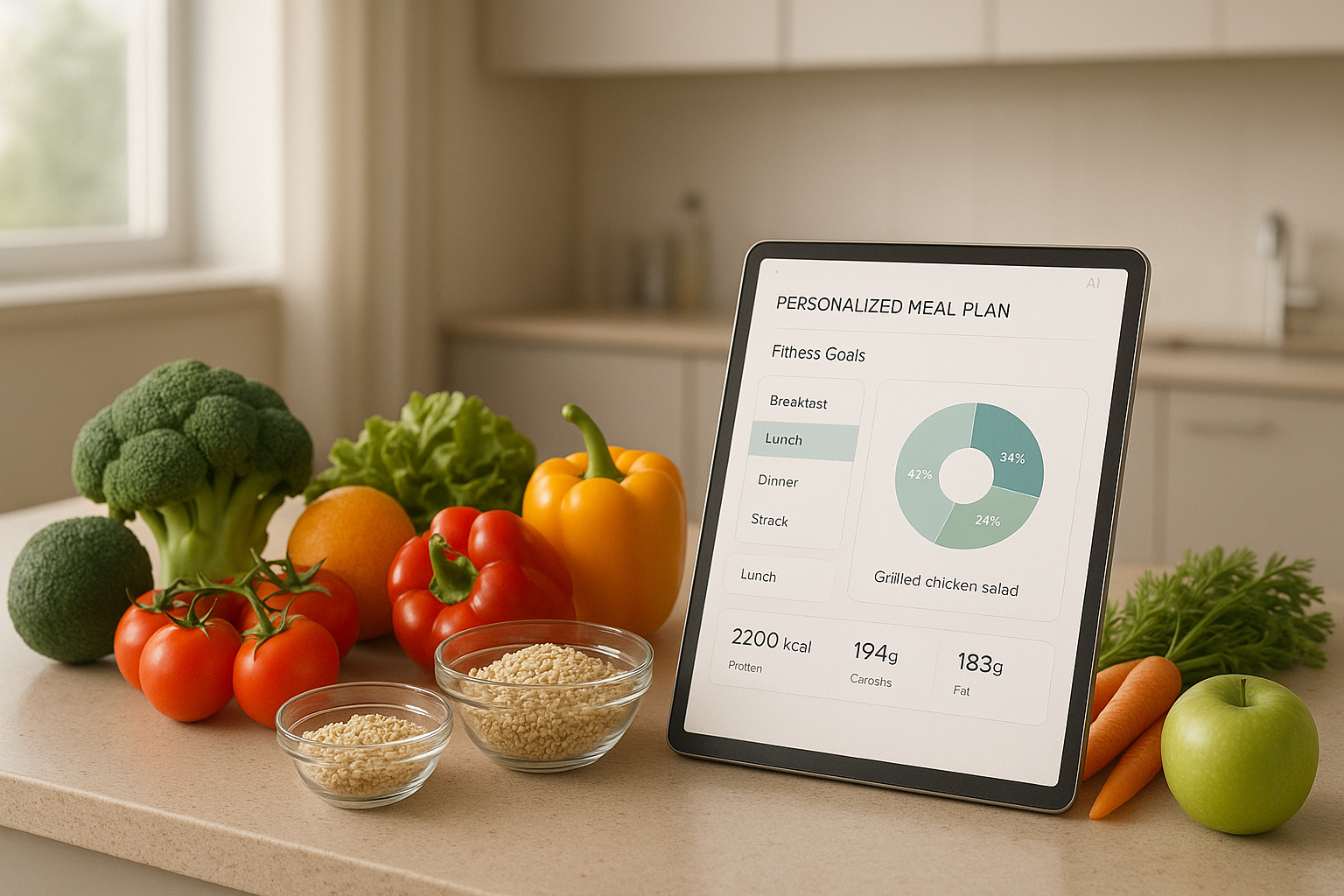
Only 1 in 10 Americans meet basic nutrition guidelines. AI is changing that by offering personalized, data-driven meal plans and supplement strategies tailored to your fitness goals. Here's what you need to know:
- What It Does: AI analyzes personal data like genetics, wearables, and health records to create custom nutrition strategies.
- How It Works: Systems adapt in real time using data from your workouts, sleep, and meals to adjust recommendations.
- Why It Matters: AI makes nutrition more accessible, precise, and effective, helping you achieve goals like weight loss, muscle gain, or endurance.
Quick Facts:
- The wellness market exceeds $1.5 trillion, and AI is driving growth.
- AI nutrition tools can reduce errors in portion sizes by up to 32%.
- Platforms like BondMCP unify fragmented health data for better results.
AI nutrition isn't just about eating right - it's about smarter, real-time adjustments to match your body and fitness goals.
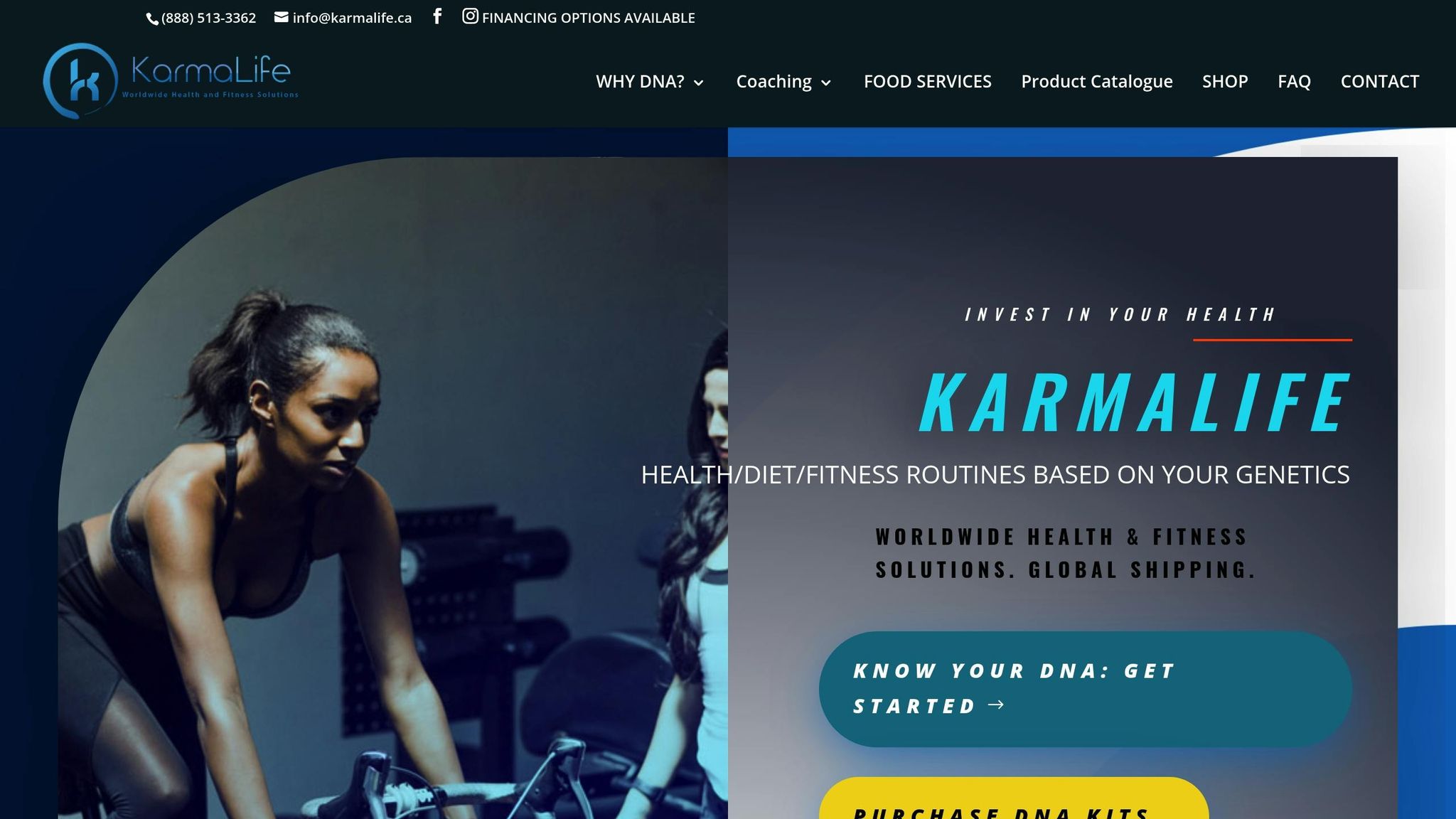
Karmalife uses AI for personalized nutrition plans
Key Components of AI-Powered Nutrition Systems
AI-powered nutrition systems bring together various data sources to craft personalized meal plans. These systems analyze your body metrics, lifestyle habits, and health goals to provide recommendations tailored specifically for you.
Data Sources Used in AI Nutrition
Modern AI nutrition platforms pull from a wide range of data to understand your unique needs. Wearable devices, for instance, track metrics like heart rate variability and sleep quality, offering insights into how your body reacts to different foods and activities. Electronic Health Records (EHRs) and lab results supply critical medical information. For example, if recent blood tests reveal low vitamin D levels or high cholesterol, these systems can incorporate that into your meal planning. Additionally, dietary logs and food tracking apps help map out your eating habits, preferences, and patterns.
A standout example is BondMCP, which standardizes data from EHRs, wearables, lab results, and medical records into a single, cohesive format [2]. This solves the common issue of fragmented health data.
"BondMCP's multi-model consensus has eliminated AI hallucinations in our clinical decision support system. The 99.97% accuracy rate gives our physicians confidence in AI-powered recommendations." - Dr. Sarah Chen, Chief Medical Officer, Stanford Health Care [2]
With all this data harmonized, AI systems can seamlessly move on to creating dynamic, tailored meal and supplement plans.
Dynamic Meal and Supplement Planning
Once the data is compiled, AI systems use it to generate meal suggestions and supplement protocols that adapt to your daily needs. This isn't a static plan - it evolves based on real-time circumstances.
For instance, if your wearable device detects poor sleep, the system might suggest recovery-focused meals. If you're training for a marathon, it could adjust your carbohydrate intake and meal timing to fuel your workouts effectively.
Supplement recommendations are equally personalized. Based on lab results and fitness goals, the system might suggest specific nutrients. For example, if a vitamin deficiency is detected, it adjusts your supplement plan accordingly.
BondMCP enhances this process with real-time multi-model consensus, ensuring that these adjustments are accurate and reliable [3]. This eliminates much of the guesswork traditionally associated with nutrition planning.
Continuous Feedback and Updates
The real power of AI nutrition systems lies in their ability to adapt continuously. These platforms don’t just provide a one-time plan - they evolve with you, using real-time data to refine recommendations.
Globally, over 1 billion wearables provide a constant stream of health data [4]. AI systems use this information to make on-the-fly adjustments. For example, if you unexpectedly log an intense workout, your evening meal plan might shift to include more protein and complex carbs for recovery.
Photo recognition technology adds another layer of precision. A quick snapshot of your meal allows the AI to analyze portion sizes and ingredients, adjusting your remaining daily recommendations in real time [1]. This feedback loop ensures that your planned nutrition aligns with what you actually eat.
The personalized nutrition market is growing rapidly, projected to hit $23.3 billion by 2027 with a 15.5% annual growth rate [4]. Currently, more than 5 million people use meal planning apps daily, and over 75% of cardiac patients comply with personalized dietary recommendations [4]. However, adherence rates for AI-powered nutrition tools remain below 5% [1], underlining the importance of systems that adapt to real-world behaviors.
"The real-time validation and cryptographic verification make BondMCP the only AI platform we trust for patient-facing applications. HIPAA compliance was seamless." - Michael Rodriguez, CTO, Teladoc Health [2]
This continuous feedback and refinement process creates a dynamic, integrated approach to optimizing your health and nutrition. AI nutrition systems are evolving to meet the challenges of real-world application, making personalized health strategies more effective and accessible.
How AI Matches Nutrition with Fitness Goals
AI nutrition platforms are designed to align with your fitness ambitions by diving into personal details like your age, weight, activity levels, and dietary preferences. With this data, they create meal plans that directly support goals such as weight loss, muscle building, or endurance training. Every recommendation is tailored to keep you on track.
Common Fitness Goals Addressed by AI
AI-driven nutrition systems are built to handle a range of fitness objectives, whether you're looking to lose weight, gain muscle, or improve endurance.
For weight loss, these systems calculate an ideal caloric deficit by analyzing your current weight, goal weight, and metabolism. They also adjust to your activity levels and fine-tune recommendations as you progress.
When it comes to muscle building, the focus shifts to protein intake and timing meals around workouts to aid muscle repair and growth.
For endurance training, the emphasis is on carbohydrate timing and hydration. The system might suggest complex carbs before long workouts and adjust electrolyte levels based on data from wearables.
Some platforms even combine AI with behavioral insights to help users achieve their goals. For instance, by tracking factors like age, weight, activity levels, and food preferences, these systems create highly detailed plans. If progress stalls, they might tweak calorie targets or suggest new habits like mindful eating to get things moving again [6].
These tailored approaches are part of a larger strategy to optimize your overall nutrient intake.
Macro- and Micronutrient Optimization
AI doesn’t just stop at calories - it dives deeper into optimizing macronutrients and micronutrients. By analyzing everything from genetic markers to real-time health data, these systems ensure your body gets exactly what it needs.
For macronutrients, AI looks at how your body handles fats, carbs, and proteins. If your genetic profile shows slower carb metabolism, it might recommend a higher protein intake with moderate carbs - even for endurance goals. On strength-training days, protein recommendations might increase to support recovery.
Micronutrient optimization is just as precise. AI tracks your vitamin and mineral levels through your diet and can spot deficiencies early. For example, if your iron levels drop, the system might suggest iron-rich foods paired with vitamin C to boost absorption.
Wearables add another layer of precision. Blood sugar monitors can show how different foods affect glucose levels, leading to personalized meal suggestions. Similarly, heart rate variability data might prompt recommendations for anti-inflammatory foods during stressful periods.
The demand for such personalized nutrition is growing. By 2028, global nutrition app sales are expected to hit $8.29 billion, with an annual growth rate of 11.31% [7].
Working with Dietary Restrictions and Preferences
AI doesn’t just tailor nutrients - it also adapts to dietary restrictions and personal tastes. These platforms flag allergens and suggest balanced alternatives.
For example, if you’re allergic to tree nuts but need healthy fats for muscle building, the system might recommend avocados or fatty fish as substitutes. Similarly, if you follow a vegetarian, vegan, or gluten-free diet, AI ensures your meal plan meets your fitness goals. A vegan athlete, for instance, might get tips on combining plant-based proteins, supplementing vitamin B12, and improving iron absorption.
AI also learns from your eating habits. If you often skip certain meals - like eggs for breakfast - it adapts by offering alternatives such as plant-based protein options or smoothies that fit your preferences.
Research backs the effectiveness of personalized nutrition. A Nutrigenomix study found that 75% of participants stuck to their AI-guided diets better than generic plans [9].
"Our AI navigates allergies and dietary restrictions with ease, crafting delicious and safe meals that keep your clients feeling their best. Unleash the joy of guilt-free eating!" - Spur.fit [8]
When substitutions are needed, AI ensures nutritional balance. For example, if a recipe includes dairy and you’re lactose intolerant, it might suggest fortified plant milk while adjusting calcium targets to support bone health during training.
sbb-itb-f5765c6
Unified Health Optimization with BondMCP
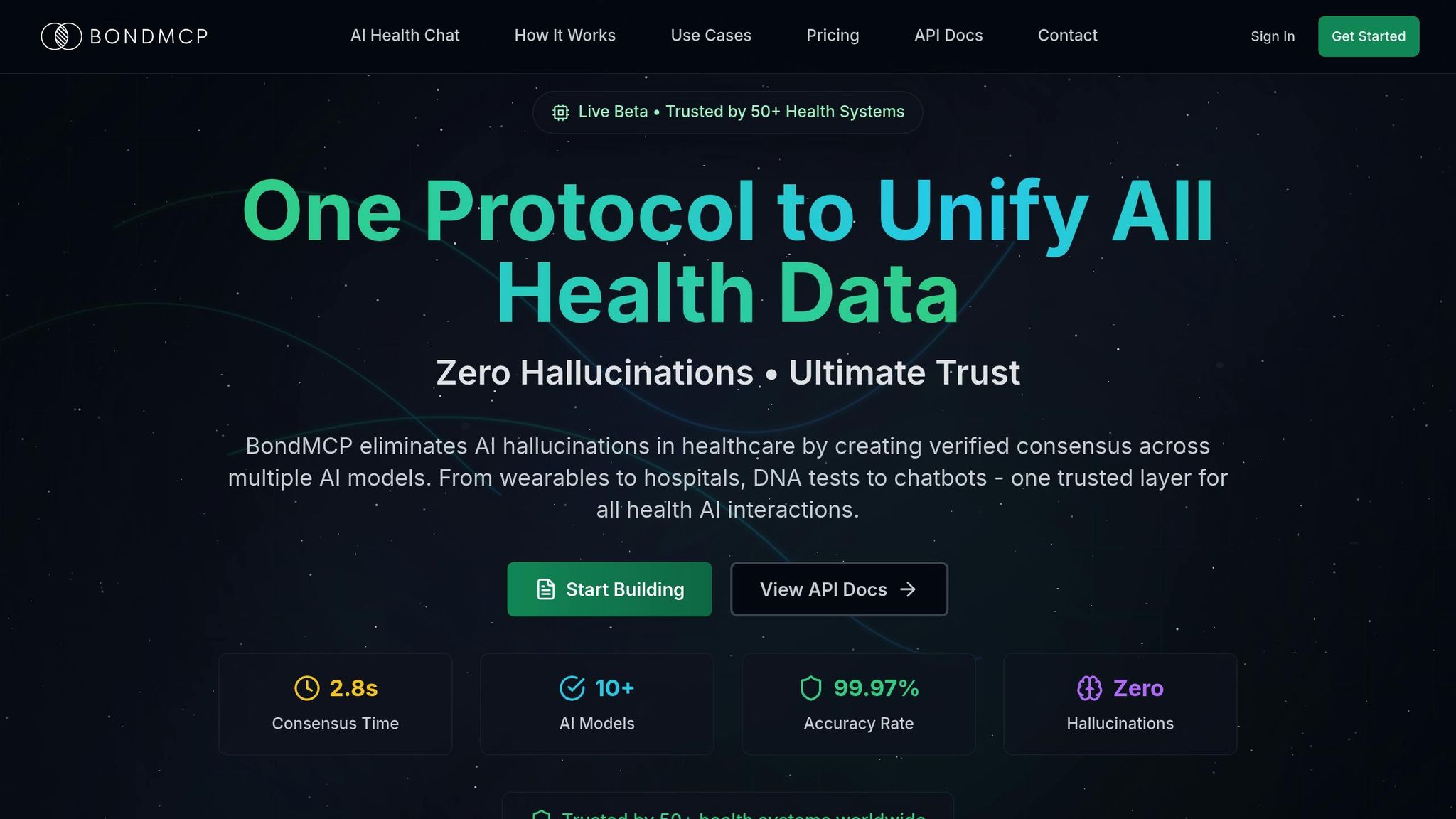
By combining dynamic meal planning with continuous updates, unified health data integration is transforming personalized nutrition. Many AI nutrition platforms struggle with fragmented systems - your fitness tracker, lab results, sleep data, and supplement plans often remain isolated. BondMCP changes the game by bringing all these data points together into a single, dynamic framework. This means your sleep tracker can inform your nutrition coach, and your lab results can automatically adjust your meal plans.
What is BondMCP?
BondMCP is a protocol framework designed to create a seamless and integrated health AI experience. For developers, it offers a structured foundation to build health-aware AI agents that collaborate effectively. For consumers, it simplifies life by eliminating conflicting advice and redundant data entry. At its core, BondMCP addresses the challenges of disconnected data and fragmented user experiences by providing a shared context that enables AI agents to work together harmoniously.
How BondMCP Enhances AI-Driven Nutrition
BondMCP doesn’t just collect data - it transforms it into actionable nutritional insights. For example, if your heart rate variability suggests high stress levels, the system can adjust your meal recommendations to include foods with anti-inflammatory properties. Similarly, if your sleep data shows poor recovery, BondMCP might recommend changes to meal timing or pre-workout nutrition to help improve performance.
This platform goes beyond simple data aggregation. It delivers verified, personalized fitness and nutrition recommendations based on your health data [10]. For instance, if your blood work reveals low iron levels while your fitness tracker shows you're training for a marathon, BondMCP can suggest iron-rich meals timed for optimal absorption and athletic performance. Applications using BondMCP have shown a 40% improvement in user outcomes [10], highlighting the power of unified health data management.
Benefits of BondMCP for Users and Professionals
For individuals, BondMCP provides a seamless, automated experience. It takes care of the complex calculations - like cross-referencing sleep quality and workout intensity to optimize meal timing - so you don’t have to. This leads to clearer, more personalized nutritional guidance that works effortlessly in the background.
Healthcare professionals and fitness coaches also gain significant advantages. By accessing a consolidated view of their clients' health data, they can observe how dietary changes impact sleep, workout performance, and biomarker trends. This unified perspective allows for more informed decisions and proactive care, enhancing the support they provide.
For developers and health tech companies, BondMCP offers a ready-made protocol and SDK, saving time and effort in building foundational health intelligence. This enables faster development and more advanced, context-aware health applications. With predictions showing that 60% of nutrition apps will integrate with at least one wearable device by 2025 [11], BondMCP is poised to lead this shift. It transforms fragmented data into meaningful, actionable recommendations, ensuring that every nutritional decision reflects a complete picture of your health. This unified approach closes the loop on AI-driven nutrition, making it smarter and more effective than ever.
Pros and Cons of AI-Driven Nutrition
AI-driven nutrition systems are changing the way we approach personalized eating plans. But like any technology, they come with both advantages and challenges. By understanding these, you can make informed decisions about integrating AI into your health and fitness routines.
Benefits of AI Nutrition
AI nutrition tools bring a range of benefits that can make managing your diet more precise, efficient, and personalized.
Precision and Accuracy are standout features. AI systems can reduce errors in estimating macronutrients and portion sizes by 15–32%, compared to traditional methods, which often exceed 30% error rates [12][13]. This is especially important since studies show that individuals with obesity underreport their food intake by an average of 47% [12].
Speed and Efficiency are game-changers for busy individuals. With tools like speech recognition, meal logging is three times faster than typing [12]. This means you can track your food intake without disrupting your daily routine.
Scalability and Personalization set AI apart. Unlike human dietitians, AI can create personalized nutrition plans for millions of users simultaneously [13]. Features like voice commands, image recognition, and multilingual support make these tools accessible to a wide audience [12].
Proven Results highlight AI's potential. A study in Nature Medicine revealed that machine-learning-generated diets improved glucose responses and other metabolic markers more effectively than a standard Mediterranean diet for individuals with prediabetes [12]. These measurable outcomes showcase AI's ability to deliver meaningful health benefits.
Enhancing Professional Workflows is another advantage. AI takes over routine tasks like calculating macros or logging meals, allowing nutritionists and fitness professionals to focus on personalized coaching and meaningful interactions with clients [5].
While these benefits are impressive, AI nutrition systems also come with important limitations.
Limitations and Challenges
Despite its strengths, AI-driven nutrition faces several challenges that users should consider.
Data Privacy Concerns are a top issue. AI systems collect sensitive data, including health metrics and eating habits. While platforms like BondMCP address this with HIPAA compliance, SOC 2 Type II certification, and GDPR readiness [3], privacy remains a concern for many.
Accuracy Gaps still exist. AI tools often struggle with analyzing culturally diverse or mixed meals [12]. For example, calorie estimates for such meals can be off by as much as 76% [12]. Similarly, nutrient values derived from food photos can vary significantly from actual amounts [14].
Bias and Representation Issues can undermine reliability. Many AI models are trained on datasets that may lack diversity, contain errors, or fail to represent vulnerable populations adequately [14]. This can lead to inaccuracies, especially for users outside the dataset's demographic focus.
Loss of Human Connection is a significant drawback. AI lacks the emotional intelligence and nuanced judgment that human professionals bring to the table [12]. Many users, particularly older adults, are hesitant to trust AI systems [14].
Uncertainty About Long-Term Impact remains. There's limited data on the sustained effectiveness of AI-driven nutrition interventions [14]. Additionally, predictive capabilities of AI could lead to stress, over-medicalization, and stigma around health conditions [14].
Professional Displacement is another concern. As AI systems take on more responsibilities, there’s a risk of reducing the role of dietitians, raising questions about accountability when errors occur [14].
Comparison Table: Advantages vs. Limitations
| Advantages | Limitations |
|---|---|
| Precision: Reduces macronutrient errors to <15% | Cultural Gaps: Errors up to 76% for diverse cuisines |
| Speed: 3x faster data entry with speech recognition | Privacy Risks: Sensitive data collection concerns |
| Scale: Serves millions simultaneously | Bias Issues: Limited diversity in training data |
| Accessibility: Voice commands, image recognition, multilingual support | Human Touch: Lacks emotional intelligence and judgment |
| Real Results: Proven metabolic improvements in studies | Long-term Unknowns: Limited data on sustained effectiveness |
| Professional Support: Frees up experts for coaching | Trust Barriers: Hesitancy among older populations |
The key to getting the most out of AI nutrition lies in using it as a supplement to, not a substitute for, professional guidance. For example, BondMCP addresses many concerns with its multi-model consensus approach, achieving a 99.97% accuracy rate and eliminating AI hallucinations through rigorous validation [3].
"BondMCP's multi-model consensus has eliminated AI hallucinations in our clinical decision support system. The 99.97% accuracy rate gives our physicians confidence in AI-powered recommendations."
- Dr. Sarah Chen, Chief Medical Officer, Stanford Health Care [3]
The Association for the Advancement of Artificial Intelligence emphasizes that AI should prioritize human well-being and avoid harm [14]. These principles ensure AI nutrition tools are developed responsibly, balancing their benefits with ethical considerations. By understanding both the strengths and weaknesses, users can make smarter decisions about incorporating AI into their health journey.
Conclusion
AI-powered nutrition is reshaping the way we approach fitness and health. It's no longer just about tracking calories - this technology delivers tailored nutrition strategies that adjust in real time through dynamic treatment adjustments to meet your unique needs. Let’s take a closer look at how this transformation is making waves.
Key Advantages of AI Nutrition
AI-driven nutrition systems are making a real difference by offering precision and personalization. These tools analyze everything from your body composition and activity levels to dietary preferences and health data. The result? Meal plans that evolve alongside your lifestyle and fitness routine [5].
One standout benefit is time efficiency. AI systems can automatically generate grocery lists, meal prep guides, and recipes. This means you save hours of planning every week [5]. And with wearable tech integration, you get continuous tracking and accountability, keeping you on top of your goals.
There’s also an educational aspect to these systems. Instead of just giving you instructions to follow, they explain the reasoning behind their recommendations. This helps you understand the value of your dietary choices, building habits that last far beyond any single app or program [5].
The numbers back this up. 58% of Americans have downloaded health-related apps, and 83% of dietitians now use mobile apps in their practice [15]. The global market for nutrition and diet apps is expected to hit $40.07 billion by 2032 [15], showing just how widely these tools are being adopted.
Another major perk? AI makes personalized nutrition more affordable, giving millions access to expertise that was once out of reach for many.
BondMCP: The Future of Unified Nutrition Systems
As AI nutrition continues to evolve, the next step is integrating all aspects of wellness into a single, seamless system. This is where BondMCP comes in, acting as the intelligence layer that connects the dots in personal health optimization.
Right now, one of the biggest challenges is disconnected data and fragmented experiences. People often juggle multiple apps, each offering conflicting advice. BondMCP addresses this by creating a unified system where all your health data works together. For example, your sleep tracker can inform your training plan, lab results can update your supplement recommendations, and your long-term health goals can guide daily nutrition decisions.
For fitness professionals and healthcare providers, BondMCP offers a scalable solution that ties together siloed data, enabling proactive and precise care.
The future of AI nutrition isn’t just about crafting better meal plans - it’s about creating intelligent systems that work harmoniously to optimize every aspect of your health. BondMCP’s shared context layer and health-specific framework set a new standard, ensuring that every piece of data contributes to smarter, more personalized decisions.
As AI continues to revolutionize the fitness industry, platforms like BondMCP ensure that technology works for you. With clarity, personalization, and automation running quietly in the background, you can focus on what really matters - achieving your health and fitness goals.
FAQs
How does AI nutrition adjust to changes in my fitness routine and lifestyle?
AI-powered nutrition systems use advanced algorithms to analyze your activity levels, dietary habits, and overall health data. This enables them to deliver personalized recommendations in real time, adjusting as your lifestyle and fitness routines evolve.
For instance, if you ramp up your workout intensity or feel more fatigued than usual, the system can tweak your meal plans, adjust portion sizes, or refine your nutrient intake to better support energy levels and recovery. This flexible approach keeps your nutrition aligned with your goals, helping you maintain steady progress and overall well-being.
What privacy concerns come with AI-powered nutrition platforms, and how are they addressed?
AI-powered nutrition platforms often spark concerns about the privacy and security of personal health data. Understandably, users might feel uneasy about how their dietary preferences, fitness routines, or health details are being handled. These worries grow when sensitive data, like genetic profiles or shopping habits, comes into play - especially given the complexity of AI systems.
To ease these concerns, many platforms are focusing on clear and transparent data practices to build trust. They strive to explain, in simple and accessible language, how they collect, store, and use user data. Some even categorize their AI models based on privacy protections, making it easier for users to understand the risks and safeguards in place. By emphasizing openness and accountability, these platforms work to safeguard user privacy while continuing to offer tailored nutrition recommendations.
How do AI nutrition platforms accommodate dietary restrictions and preferences while supporting fitness goals?
AI-powered nutrition platforms use cutting-edge algorithms to design meal plans that fit your dietary needs, preferences, and fitness ambitions. Whether you have food allergies, follow a specific lifestyle like veganism or keto, or are working toward particular health goals, these systems provide customized recommendations that are practical and satisfying.
What sets these platforms apart is their ability to learn and adapt over time. By incorporating your feedback and tracking your progress, they fine-tune your meal plans to stay in sync with your evolving needs and objectives. This creates a flexible, personalized approach to nutrition that simplifies the path to reaching your fitness goals while keeping the process enjoyable.