
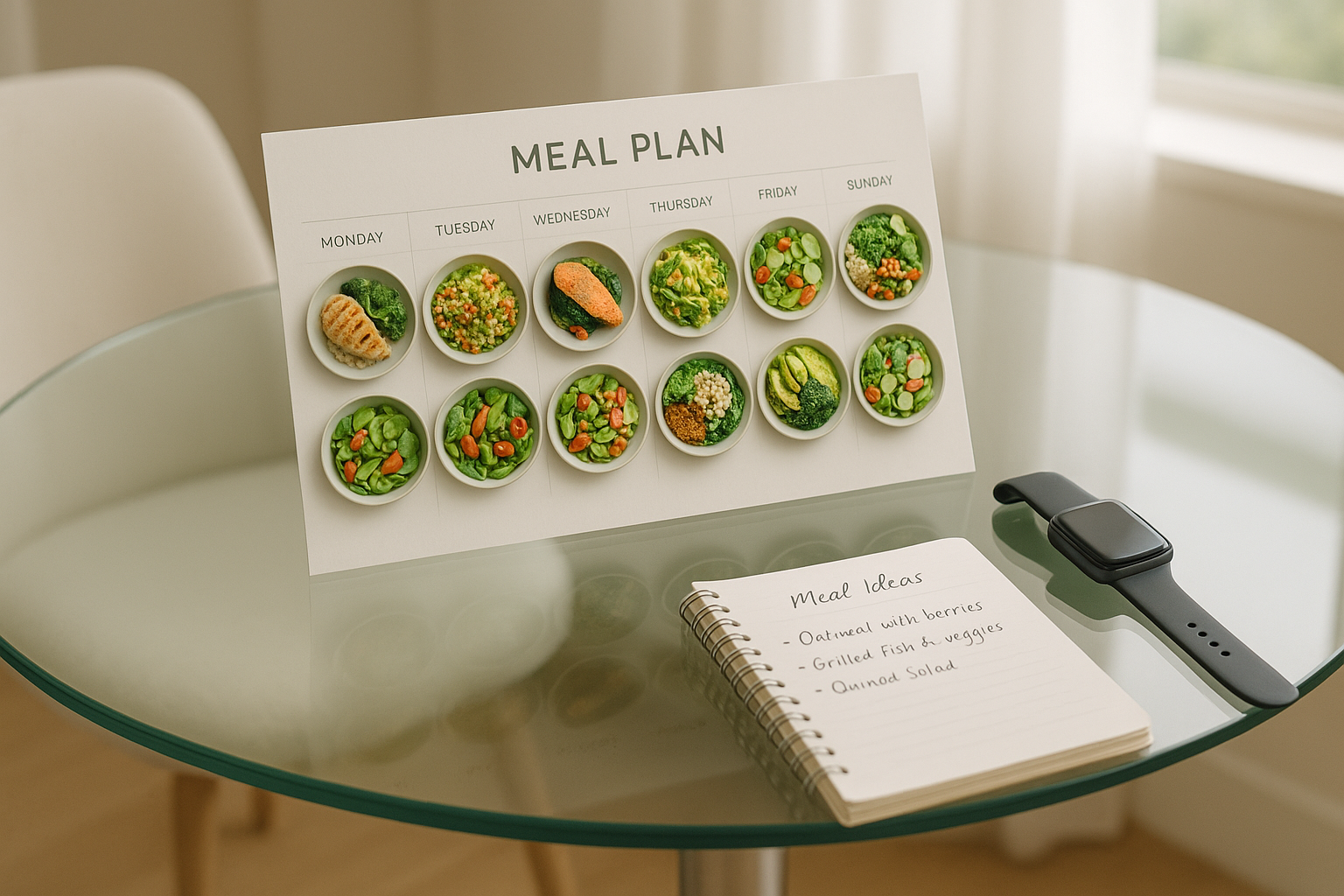
AI has made meal planning faster and more tailored than ever. By analyzing your health data, dietary restrictions, and lifestyle, it creates custom meal plans in minutes. These plans include recipes, macronutrient breakdowns, and grocery lists, all designed to fit your goals - whether it's weight loss, muscle gain, or managing health conditions.
Key Features of AI Meal Planning:
- Data Input: Enter weight, height, activity level, dietary preferences, and goals.
- Recipe Matching: Filters recipes based on allergies, cooking time, and budget.
- Output: Provides a 7-day meal plan with detailed instructions and a grocery list.
- Integration: Advanced systems like BondMCP sync with wearables, lab results, and fitness trackers for real-time updates.
AI tools not only save time but also adjust plans as your needs change, making healthy eating more accessible and practical.
How To Use AI To MEAL PLAN! 🤖💻🌮 (with ChatGPT Prompts)
How AI Meal Planning Works
AI meal planning uses a three-step process to turn your personal details into a tailored nutrition plan. It gathers your data, analyzes it against nutritional guidelines and recipe databases, and delivers a customized meal plan. Essentially, it takes your preferences and goals and translates them into actionable menus.
User Data Input
The first step is collecting your information. AI tools ask for details like your weight, height, age, and activity level to calculate your daily calorie needs using formulas such as Mifflin-St Jeor.
You’ll also provide dietary preferences and restrictions. For example, you can select a dietary style like vegan, keto, Mediterranean, or paleo, and note any allergies or intolerances (e.g., shellfish allergy or gluten-free). The system filters out recipes that don’t fit your criteria.
Your health and fitness goals play a big role too. Whether you’re aiming to lose weight, build muscle, maintain your current weight, or manage conditions like high blood sugar, the AI adjusts calorie targets accordingly - like creating a 250–500 calorie deficit per day for gradual fat loss - and tweaks macronutrient ratios to match.
Next, you’ll outline your lifestyle and scheduling needs. This includes how many meals you want daily, how much time you have to cook, your budget, available kitchen appliances, and the number of people in your household. For instance, if you’re short on time, the AI avoids recipes with lengthy prep steps.
Some systems even sync with wearables for real-time health insights to automatically update your data, removing the need for manual input. Others allow natural language commands. You could type, "I need quick family dinners under $15", and the AI translates that into specific requirements.
In more advanced setups, tools like BondMCP integrate data from wearables, lab results, sleep trackers, and fitness logs into a comprehensive health profile. This richer data ensures the meal planner aligns more closely with your needs.
Once your data is gathered, the AI moves on to analyze it and match you with the right recipes.
AI Analysis and Recipe Matching
The AI calculates your energy needs based on your resting metabolic rate and activity level. Depending on your goal, it adjusts for a calorie deficit (fat loss) or surplus (muscle gain).
Macronutrient distribution is then set. For example, if you’re focused on muscle building, the AI might allocate 30% of your calories to protein. A ketogenic diet would shift the balance toward higher fats and lower carbs.
To find recipes, the system taps into a vast database that includes ingredient lists, cooking steps, and nutritional details from sources like USDA FoodData Central. It applies hard filters to exclude recipes that conflict with your dietary restrictions (e.g., allergies), while soft filters prioritize meals based on your taste preferences, cooking time, available appliances, and budget.
The AI calculates calorie and macronutrient totals by summing up the nutritional values of each ingredient and adjusting serving sizes. In the U.S., these values are presented per serving using familiar units like cups, ounces, and pounds, with cooking temperatures in °F.
When your requirements clash - like wanting rapid weight loss, minimal cooking time, and strict dietary rules - the AI prioritizes safety and medical needs. It might suggest a smaller calorie deficit, recommend high-fiber, low-calorie foods for satiety, and advise consulting a dietitian.
Advanced systems with tools like BondMCP can integrate clinician-set guidelines or lab-based thresholds, ensuring the plan remains both practical and safe.
This detailed analysis leads to the final step: creating your meal plan.
Generating Output
The AI produces a structured meal plan, often laid out as a 7-day schedule with breakfast, lunch, dinner, and optional snacks. Each meal includes the recipe name, prep and cook time, serving size, and step-by-step instructions. Ingredients are listed in U.S. customary units with cooking temperatures in °F. Nutritional summaries show calories, protein, carbs, fats, and sometimes sodium, fiber, and added sugars, with daily totals to ensure they align with your goals.
An automated grocery list is also created, consolidating all the ingredients for the week. Items are grouped by category - like produce, dairy, or pantry staples - to match typical supermarket layouts. Quantities are adjusted for U.S. packaging sizes, such as "1 lb ground turkey" or "2 (15-oz) cans of black beans." Many platforms even let you send your list directly to grocery delivery or pickup services.
Different viewing options are available, like focusing on macronutrients or recipes, and the plan can be exported as a printable PDF, synced with an app, or integrated into your calendar. Systems like BondMCP can share your plan with health professionals or other tools, promoting collaboration.
This entire process takes just a few minutes, delivering a personalized plan that would otherwise require multiple consultations and manual adjustments. Plus, it’s flexible - you can easily tweak or regenerate your plan as your goals or preferences evolve.
Key Factors in Meal Plan Personalization
When it comes to creating a meal plan that truly fits your lifestyle, personalization is everything. AI systems take this a step further by tailoring meal plans based on your specific needs, making it easier to stick with them long-term. Three main factors play a role in this process: your dietary restrictions, health and fitness goals, and daily routine.
Dietary Preferences and Restrictions
AI-powered meal planning tools are designed to accommodate a wide range of dietary needs and preferences. Whether you're following a ketogenic diet, eating vegetarian or vegan, or avoiding gluten, the system filters recipes to align with your choices[1]. It also takes food allergies and sensitivities seriously. For example, if you have a severe nut allergy, the AI ensures that recipes containing nuts are completely excluded from your options. This strict adherence helps address even complex dietary requirements simultaneously[1][2].
However, for those with severe allergies or intricate dietary needs, it's always a good idea to consult with a registered dietitian. While AI systems are helpful, they can't replace professional guidance to ensure your plan meets all nutritional standards[1].
Health and Fitness Goals
Your health and fitness objectives are another cornerstone of meal plan personalization. AI uses the information you provide - like your target weight, fitness level, or energy needs - to calculate calorie counts and macronutrient ratios. For instance, if you're aiming to build muscle, the system might recommend a diet where about 30% of your calories come from protein. On the other hand, if weight loss is your goal, it will focus on creating a calorie deficit with balanced macronutrients[1][2].
AI can also account for specific health conditions. For example, if you're managing diabetes, meal plans might include recipes with controlled carbohydrate levels. Similarly, those with hypertension could receive options that are lower in sodium[4]. This targeted approach ensures that your meal plan supports both your goals and any medical considerations.
Lifestyle Considerations
Practicality is key when it comes to sticking with a meal plan, and that's where lifestyle factors come into play. AI adapts to your preferences for meal frequency, generates grocery lists, and even provides prep guides that fit your schedule[1].
Some systems go a step further by learning from your habits over time. They track which recipes you actually prepare versus the ones you skip, using that data to refine future suggestions[3]. By aligning with your daily routine and preferences, this personalized approach helps ensure the meal plan feels manageable and realistic for your life.
Step-by-Step Process of AI Meal Plan Generation
AI-powered meal planning takes your health data and turns it into practical, personalized meal recommendations. This process unfolds in three key stages, each designed to ensure the final plan aligns with your unique needs.
Gathering Personal Information
The journey begins with collecting the details that will shape your meal plan. AI systems rely on a range of inputs to create recommendations tailored specifically to you.
Start by sharing basic health metrics, dietary restrictions, and fitness goals. These foundational details are crucial for the system to understand your needs. Beyond that, factors like your available time for cooking, daily schedule, and preferred number of meals refine the plan further. Some platforms even let you log your eating habits through photos, voice commands, or manual entries. With this comprehensive input, most AI tools can generate a fully personalized meal plan in just a few minutes[1].
Reviewing and Customizing Outputs
Once the AI crafts your meal plan, you can tweak it to suit your preferences and lifestyle. Typically, the plan includes a daily breakdown with recipes for breakfast, lunch, dinner, and snacks, along with detailed nutritional data like calorie counts and macronutrient breakdowns.
Take time to review each meal to ensure it fits your schedule and taste. For instance, if a suggested dinner requires 45 minutes to prepare but you’re pressed for time in the evenings, you can swap it out for something quicker. Many platforms allow you to regenerate the plan or replace individual meals while maintaining your nutritional goals. Some even let you incorporate your favorite recipes from websites, images, or social media, seamlessly blending familiar dishes with AI-driven insights.
Fine-tune the plan until it feels just right. Once you’re satisfied, it’s time to put it into action and provide feedback for further improvement.
Implementation and Feedback Loop
With your customized meal plan ready, it’s time to bring it to life. Most systems provide an automated grocery list, organizing ingredients for easy shopping and helping to cut down on food waste. You can also follow meal prep tips, like batch cooking or pre-portioning ingredients, to save time during busy weeks. Then, simply follow the cooking instructions for each meal.
The real strength of AI meal planning lies in its feedback loop. As you use the plan, the system tracks which recipes you cook and which ones you skip, learning from your choices to improve future suggestions[3]. For example, if you consistently choose one chicken recipe over another, the AI will adjust its recommendations accordingly. You can also rate meals and note what worked or didn’t, ensuring the next week’s menu better reflects your preferences. Some platforms even let you log your actual food intake, helping the system identify any gaps between the plan and your eating habits.
This ongoing process of implementation, feedback, and adjustment keeps your meal plan dynamic and responsive. Whether it’s tweaking recipes to fit your schedule, swapping out ingredients, or addressing changes in your goals, the AI evolves alongside you, making meal planning easier and more effective over time.
sbb-itb-f5765c6
The Advantages of AI-Driven Meal Plans
AI has transformed meal planning into a fast, tailored process that aligns perfectly with your personal health goals. By combining speed, accuracy, and adaptability, it addresses challenges that traditional methods often struggle to overcome.
Speed and Efficiency
Creating a meal plan manually can feel like a daunting task. It involves finding recipes, calculating nutritional values, ensuring meals meet dietary needs, and compiling a shopping list - all of which can take hours. For example, a dietitian might spend 30 to 60 minutes crafting a single weekly plan. On the other hand, AI tools like the TrueCoach Meal Plan Generator can create a full week's plan in less than five minutes. These plans include recipes, detailed macronutrient breakdowns, and a well-organized grocery list - all ready to go [1][6]. Plus, they can instantly adjust to changes, like a shift in your schedule or new dietary preferences. This speed not only saves time but also makes it easier to stick to healthy eating habits without the stress of constant planning.
Precision and Adaptability
When it comes to nutrition, accuracy is everything. Whether you're aiming for a specific calorie count or managing a medical condition, AI meal planners rely on standardized data, like USDA nutritional information, to calculate exact values for every ingredient [1][2][6]. This ensures your daily nutrient goals are met without guesswork, whether you're following a 2,000-calorie plan or a customized macronutrient split.
But precision is just one piece of the puzzle. AI also adapts seamlessly to changes. If your goals shift from fat loss to muscle building, you develop a food allergy, or your schedule tightens, the AI can adjust your plan instantly. It recalculates calorie needs, swaps recipes, and maintains nutritional balance, ensuring your plan evolves alongside your lifestyle [1][2][6]. This flexibility supports long-term adherence and keeps your meal planning stress-free.
Improved Adherence and Automation
Sticking to a meal plan often comes down to how well it fits into your life. Generic plans can fall short because they don’t account for your preferences, cooking skills, time constraints, budget, or even cultural food traditions. AI meal planners, however, use personalized wellness protocols to create plans that feel practical and enjoyable [1][2][6][4]. Whether you’re following a keto, vegetarian, or Mediterranean diet, AI ensures the plan aligns with your lifestyle. It even offers flexibility, like quick weekday meals paired with more elaborate weekend recipes, making it easier to stay on track.
Automation takes things a step further. AI tools generate grocery lists by compiling all the ingredients from your weekly plan, organizing them for easy shopping, and adjusting quantities based on what you already have at home. Some systems even suggest recipes to use up ingredients nearing expiration, helping to cut down on food waste. Many also provide prep instructions - like batch-cooking tips, storage guidelines, and daily schedules - so you can streamline your routine and avoid decision fatigue. With these tasks handled automatically, you can focus on cooking and enjoying your meals instead of juggling spreadsheets and endless calculations.
| Aspect | AI-Driven Meal Planning | Manual / Traditional Meal Planning |
|---|---|---|
| Time Required | Plans generated in minutes with integrated recipes and lists | 1–2 hours per week for research and planning |
| Nutritional Precision | Automated calorie and macronutrient calculations using standardized data | Manual tracking with a higher risk of errors |
| Personalization Depth | Considers multiple factors (goals, allergies, skills, etc.) | Addresses fewer variables at a time |
| Adaptability | Instantly updates plans to match changing circumstances | Requires re-planning and recalculation |
| Automation | Generates shopping lists and meal prep guides | Requires manual setup |
These benefits combine to create a system that makes healthy eating easier to achieve and maintain. By blending speed, accuracy, and personalization, AI meal planning fits seamlessly into your life, helping you stay on track with your goals.
BondMCP: The Intelligence Layer for Personalized Health
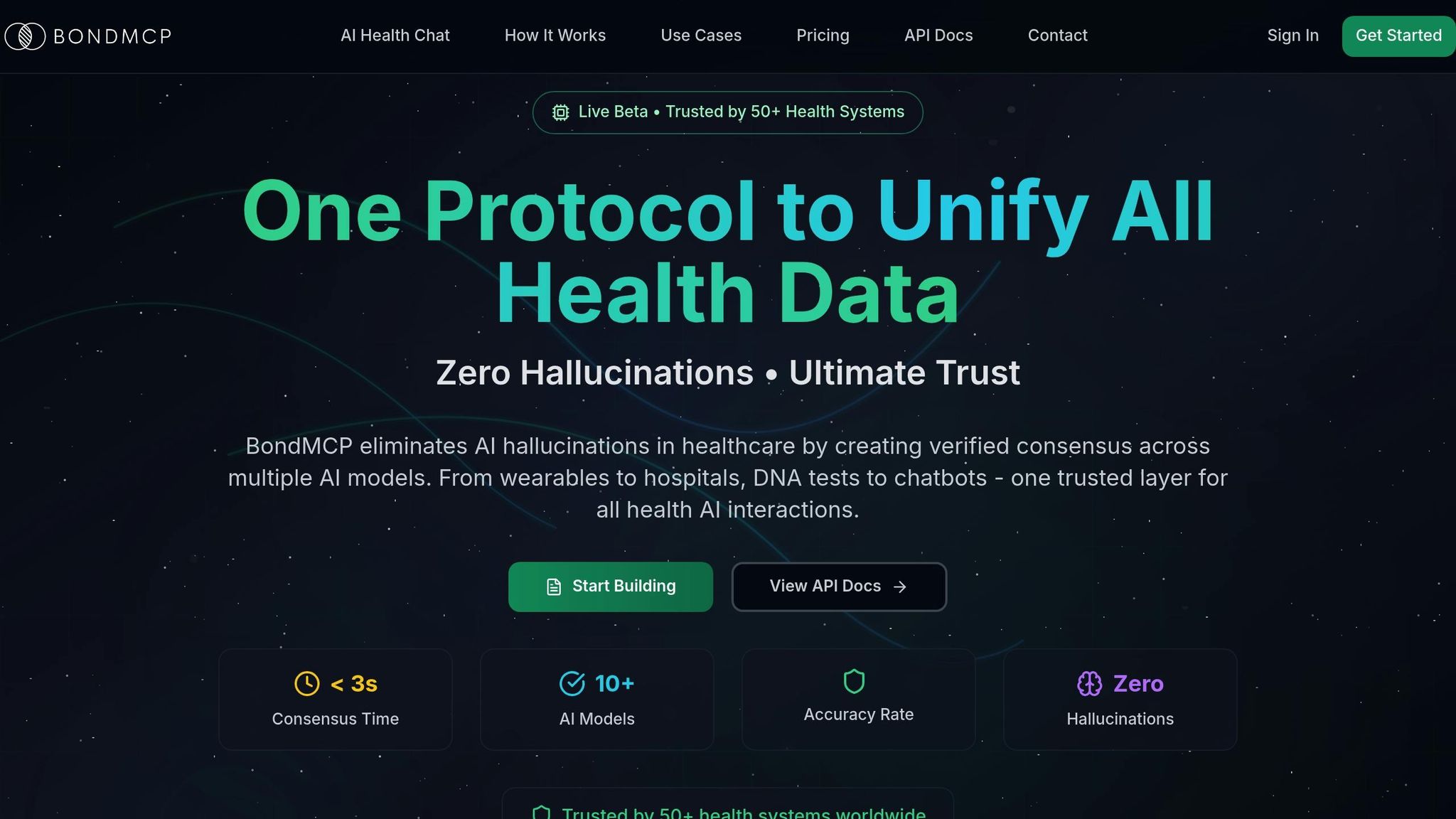
Most AI meal planners require manual data entry and don't sync with fitness trackers, sleep monitors, or lab results. This limitation reduces their ability to provide truly personalized recommendations.
BondMCP changes the game by acting as a central intelligence layer that connects your health data into one cohesive system. Instead of juggling multiple apps for meal planning, fitness tracking, sleep monitoring, lab results, and supplements, BondMCP ensures these tools work together seamlessly. For example, your sleep tracker can influence your meal plan, lab results can tweak your macronutrient targets, and your training intensity can automatically adjust your calorie needs. Below, we’ll explore how BondMCP uses real-time health data to refine meal planning.
How BondMCP Improves Meal Planning
Traditional AI meal planners rely on basic inputs like height, weight, activity level, and dietary preferences. BondMCP takes it much further by integrating real-time biometric data from devices such as Apple Watch, Fitbit, Oura Ring, and WHOOP. These wearables provide insights like HRV, stress, and sleep tracking, daily steps, and calories burned. If your wearable detects poor sleep or an intense workout, BondMCP adjusts your macronutrient balance and nutrient focus to match your needs.
Lab results add another layer of accuracy. For instance, if your labs indicate high fasting glucose or a vitamin deficiency, BondMCP adjusts your meal plan accordingly - reducing refined carbs, optimizing meal timing to stabilize blood sugar, and adding nutrient-packed foods to fill the gaps.
Solving Conflicting Advice
One major frustration in health optimization is conflicting advice from different apps. For example, one app might tell you to eat more carbs for better recovery, while another recommends cutting carbs to improve body composition. BondMCP eliminates this confusion by creating a unified health framework, ensuring all your tools interpret data consistently. By standardizing concepts like "calories burned", "metabolic rate", and "activity level", BondMCP ensures your meal planner, fitness tracker, and supplement guide work in harmony.
The platform achieves this through a consensus engine that cross-references multiple medically trained AI models - including Claude, GPT-4, Titan, and specialized medical systems - in real time. This multi-model approach delivers 99.8% accuracy in under 3 seconds[5].
Practical Benefits for Different Users
For athletes and fitness enthusiasts, BondMCP synchronizes training data, recovery metrics, and nutrition. If your WHOOP strap shows high strain and low heart rate variability, your meal plan might include anti-inflammatory foods like berries, fatty fish, and leafy greens while adjusting protein levels to support recovery. Training for a marathon? BondMCP recalculates your calorie needs and adjusts carb timing to fuel your runs.
For individuals managing metabolic conditions like type 2 diabetes or PCOS, BondMCP integrates data from continuous glucose monitors. If your glucose spikes after a meal, the system identifies the trigger foods and adjusts future recommendations to stabilize blood sugar. Studies show that AI-driven meal planning for conditions like type 2 diabetes is often more convenient and better aligned with user preferences compared to traditional methods[4].
For longevity-focused individuals, BondMCP connects data from wearables, exercise routines, supplements, and nutrition. For example, a 45-year-old executive aiming to manage stress, improve sleep, and maintain long-term health would get meal plans tailored to cortisol patterns, sleep quality, workout intensity, and supplements - all working together to support their goals.
Developer and Platform Advantages
For developers and meal planning platforms, BondMCP simplifies integration. Instead of building separate connectors for devices like Fitbit, Apple Health, or lab services like Quest Diagnostics, BondMCP offers a plug-and-play system. This saves developers time, allowing them to focus on improving meal planning algorithms rather than integrating disparate data sources.
With BondMCP’s standardized framework, meal planning agents automatically understand a user’s complete health profile - combining lab results, training data, sleep metrics, and supplement intake. Developers can build once and tap into a dynamic ecosystem without needing to reinvent memory systems or routing logic for each use case.
Currently, BondMCP is trusted by over 50 health systems worldwide, handles more than 2.5 million API calls monthly, and supports over 12,000 developers[5]. This level of integration enables the real-time adaptations detailed below.
Real-Time Adaptation and Continuous Optimization
BondMCP’s ability to integrate real-time data means meal plans are continuously updated. Unlike static plans that stay the same for days or weeks, BondMCP adapts on the fly. For instance, if your wearable detects elevated stress - shown by a higher resting heart rate and lower heart rate variability - the system adjusts your plan to include stress-reducing nutrients like omega-3s and B vitamins. Similarly, if lab results show low iron levels, BondMCP modifies your recipes to include iron-rich foods and ingredients that improve absorption.
This constant feedback loop turns meal planning into a dynamic process that evolves with your health. By aligning nutrition with your sleep, activity, and biomarkers, BondMCP helps you achieve your goals faster while supporting long-term health.
"One Protocol to Unify All Health Data" – BondMCP
Conclusion
AI meal planning has reshaped how we approach nutrition, turning what used to be a time-consuming chore into a streamlined and highly tailored experience. Tasks like calorie counting, recipe searching, and meal prepping - once requiring hours - can now be done in just minutes. Modern AI tools take into account your health goals, dietary needs, cooking skills, schedule, and budget, delivering fully customized meal plans. Imagine a busy parent receiving a week's worth of 30-minute dinners, all within a $150 budget, designed to accommodate nut allergies and picky eaters. Or a recreational athlete getting meals that automatically adjust protein and carb intake based on training days. Even someone managing prediabetes can benefit from meal options aligned with their doctor's guidance and real-time glucose data.
What sets AI apart is its ability to juggle multiple factors simultaneously. It goes beyond generic templates or one-size-fits-all apps by considering your specific diet type - whether it's keto, vegetarian, or gluten-free - along with allergies, personal food preferences, cooking time, and fitness goals. AI systems also rely on structured nutrition databases like USDA nutrient data to ensure precision.
The adaptability of AI meal planners is another standout feature. These tools don’t just deliver a static plan - they evolve with you. As you log meals, tweak your preferences, or update your goals, the system recalibrates in seconds. With the rise of integrations with wearables, continuous glucose monitors, activity trackers, and lab results, meal plans are becoming even more dynamic and responsive.
Platforms like BondMCP – Health Model Context Protocol take this a step further by integrating data from various aspects of your health - nutrition, fitness, sleep, and lab results - into one cohesive system. For developers, BondMCP simplifies the process by providing a shared intelligence layer, eliminating the need to create separate connectors for every wearable or service. For users, it means your nutrition plans can adapt seamlessly alongside your recovery and long-term health goals.
While AI excels at simplifying operational tasks, expert guidance remains essential for complex medical conditions, eating disorders, or therapeutic diets. These tools are powerful, but they work best when paired with professional advice.
Start small - try an AI-generated dinner plan for the week, refine your inputs, and see how the system evolves. Over time, you’ll move beyond standalone apps to fully integrated ecosystems where your nutrition, sleep, fitness, and health data work in harmony. With tools like BondMCP, meal planning transforms from a weekly hassle into an intelligent, automated process that aligns your daily meals with your long-term health aspirations.
FAQs
How does AI update my meal plan if my health goals or dietary preferences change?
AI fine-tunes your meal plan by keeping track of your evolving health goals, dietary choices, and nutritional requirements. Whether you've decided to transition to a plant-based diet, focus on weight loss, or address a newly diagnosed health condition, the system adjusts seamlessly to match your needs.
Using real-time data like your activity levels, sleep habits, or even lab results, the AI keeps your meal plan tailored and up to date. This adaptive method makes it easier to stay on track and work towards your health objectives with greater precision.
Can AI meal plans handle complex dietary needs like allergies or medical conditions?
Yes, AI-generated meal plans can handle even the most intricate dietary needs, including managing multiple allergies or catering to specific medical conditions. By evaluating your health data, dietary preferences, and restrictions, AI can craft personalized meal plans that suit your individual requirements.
Sophisticated platforms, like those powered by BondMCP, integrate data from sources like wearables and lab results. This seamless connection enables the AI to make well-informed recommendations, offering meal options that not only align with your nutritional goals but also account for your health conditions and dietary limitations.
How does BondMCP make meal plans more personalized and effective?
BondMCP takes meal planning to a whole new level by combining your personal health data - things like dietary preferences, fitness habits, lab results, and even sleep patterns - into one cohesive system. With this approach, the AI crafts meal plans that aren't just customized to your nutritional needs but are also aligned with your broader health and wellness goals.
What sets BondMCP apart from traditional tools is its Health Model Context Protocol, which ensures that all your health data works together seamlessly. No more dealing with scattered inputs or juggling multiple apps. Instead, you get smarter, highly personalized meal plans that make maintaining your well-being feel effortless.