
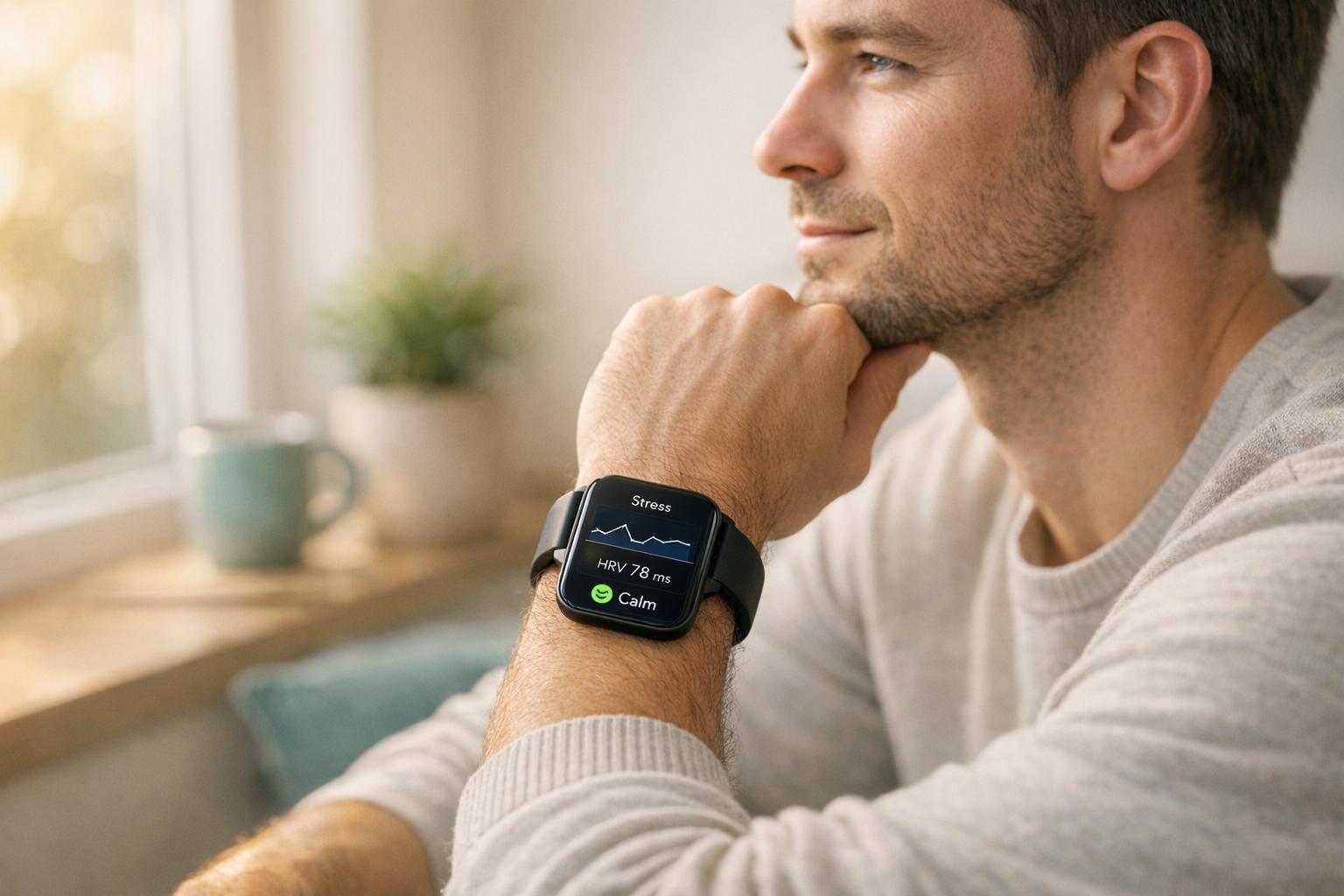
Wearables have transformed from basic fitness trackers into advanced tools that support mental health. Modern devices like the Oura Ring, Whoop, Apple Watch, and Healify use AI to analyze data such as heart rate variability (HRV), sleep patterns, and track stress levels. They can now predict depressive episodes, detect stress early, and provide personalized insights for better mental well-being. Here's a quick look at what each offers:
- Oura Ring: Tracks sleep and stress with long-term data analysis. Features include "Cumulative Stress" and AI-powered insights.
- Whoop: Focuses on recovery and healthspan with continuous monitoring and habit-related insights.
- Apple Watch: Combines biometric and environmental data to support emotional awareness and predict depression risks.
- Healify: Integrates wearable data, bloodwork, and lifestyle habits for a complete view of mental health. Offers real-time feedback and AI coaching.
These tools highlight how wearables, paired with AI, are reshaping mental health monitoring by providing actionable insights beyond raw data.
Do Wearables Empower Users To Take Control Of Their Mental Health? - Panel Discussion
This discussion highlights how AI predicts stress using wearable data to help users manage their mental wellbeing.
sbb-itb-f5765c6
1. Oura Ring
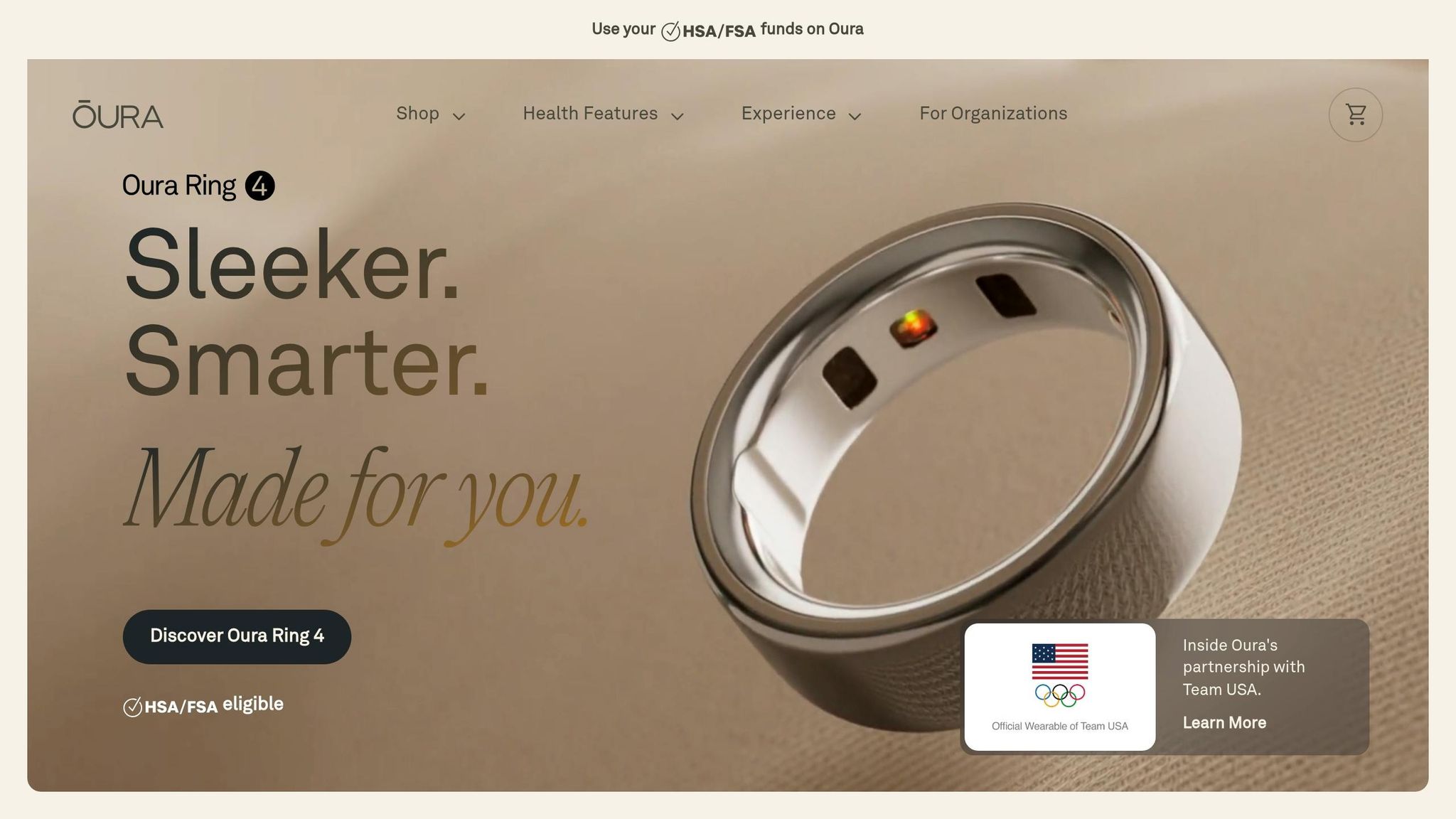
The Oura Ring isn't your typical smartwatch - this sleek titanium ring is packed with sensors, working around the clock to track your physiological data. Worn an average of 23.5 hours daily [4], it provides a constant flow of insights, making it a powerful tool for mental health monitoring.
When it comes to mental health, two standout features set it apart: Daytime Stress and Cumulative Stress. Daytime Stress gives near real-time feedback on your body’s response to stress, using metrics like heart rate variability, body temperature, and sleep quality. Meanwhile, Cumulative Stress, launched in November 2025, takes a long-term view by analyzing 31 days of data across five key metrics: sleep continuity, heart stress response, sleep micromotions, temperature regulation, and activity. This feature is designed to detect early signs of chronic strain. Impressively, its algorithm was tested against gold-standard stress surveys involving over 8,000 participants, with 82% of its scores matching results from the Copenhagen Burnout Inventory [8]. Clinical research further backs its accuracy.
A study published in February 2026, which included 1,290 participants from the Northern Finland Birth Cohort, revealed that individuals experiencing moderate-to-severe anxiety and depression showed lower REM and deep sleep levels, higher nocturnal heart rates, and reduced heart rate variability - all metrics the Oura Ring tracks [6]. By early 2026, Oura data had been featured in over 170 peer-reviewed studies [4], including research on opioid relapse conducted with Duke University and UNC-Chapel Hill [9].
"Cumulative Stress is Oura's most advanced tool yet for helping you identify the physiological signature of chronic strain." - Tuomas Romppainen, Staff Product Manager, Oura [10]
The ring also features Oura Advisor, an AI-powered model that delivers personalized insights based on your biometric data [5]. For those who need to share their findings, the Shareable Report allows you to export your data for clinical review. The Oura Ring 4 is priced between $349 and $499, with a $5.99 monthly subscription for full app access [7]. This combination of technology and advanced analytics highlights how wearables are shaping the future of mental health care.
2. Whoop
Whoop sets itself apart by acting as a proactive training partner, focusing on physical performance and long-term health. While the Oura Ring leans on passive sensing, Whoop takes a more active role, combining AI-driven insights with continuous monitoring. Initially embraced by elite athletes, Whoop has since expanded its reach to include mental well-being and what it refers to as "healthspan."
Central to its mental health applications is 24/7 biometric tracking, which monitors heart rate, heart rate variability (HRV), and sleep patterns to provide real-time insights into stress and recovery. One standout feature, Journal Trends, connects daily habits - like caffeine intake, alcohol consumption, and sleep quality - to biometric changes. This helps users uncover patterns they might overlook. For instance, tracking alcohol consumption could reveal a consistent dip in HRV the next morning, signaling impaired recovery.
Whoop also emphasizes personalized insights by retaining contextual information about your life. As Ed Baker, Chief Product Officer at Whoop, explains:
"WHOOP will remember the important things about your life, like frequent travel, ongoing health concerns, having young children, or specific training to tailor guidance accordingly." [11]
In October 2025, Whoop introduced Whoop Advanced Labs, which integrates clinical bloodwork - such as glucose, cholesterol, HbA1c, and hsCRP - with daily biometric data. By combining these markers with HRV changes, Whoop provides a more complete picture of how chronic stress impacts the body. Looking ahead, the company plans to roll out Adaptive Coaching in 2026. This feature will use predictive AI to automatically adjust recovery and lifestyle recommendations in real time, eliminating the need for manual input.
The scientific community backs this approach. According to BMJ Digital Health, "a growing number of studies are demonstrating that these next-generation wearable devices can provide added value in several mental health disorders such as depression, anxiety and schizophrenia." [1] Whoop’s focus on HRV and sleep tracking aligns closely with the physiological markers researchers use to evaluate stress and emotional regulation. However, experts caution that wearable data should complement clinical evaluation, as not every biometric fluctuation indicates a health issue [1][2].
Next, we’ll take a closer look at how the Apple Watch incorporates biometric data into its mental health features.
3. Apple Watch
The Apple Watch takes a broader approach compared to standard fitness trackers. While it monitors heart rate and HRV, it also incorporates environmental data like ambient noise levels and daylight exposure. These factors play a role in mood and anxiety, offering a more complete picture of the conditions influencing mental health, rather than focusing solely on physiological responses. This comprehensive data collection supports its growing suite of mental health features.
One standout feature is the Mindfulness app, introduced in watchOS 10, which includes a "State of Mind" tool. This tool encourages users to log their emotions and daily moods. According to research from the UCLA Depression Grand Challenge, over 80% of participants using this tool reported better emotional awareness, and about 50% noticed improvements in their overall wellbeing [15]. Dr. Michelle Craske, Distinguished Professor of Psychology and Psychiatry at UCLA, highlights the importance of this practice:
"Identifying our feelings has been shown to help us manage difficult emotions, appreciate positive moments, and improve wellbeing." [15]
The Apple Watch also uses AI to deliver predictive insights. A study published in JAMA Psychiatry in February 2026 by McMaster University researchers followed 93 adults who had recovered from depression, collecting 32,000 days of wearable data over one to two years. The AI models identified depression relapse risks by detecting patterns like irregular sleep schedules and reduced differences between daytime activity and nighttime rest [14]. Dr. Benicio Frey, a professor at McMaster, described the potential impact of these findings:
"Imagine a future where a smartwatch can warn people with depression: 'A new episode of depression is very likely coming within the next four weeks. How about seeing your health-care provider?'" [14]
The science behind Apple’s wearables continues to advance. Their foundation models for wearables are built on 2.5 billion hours of data from 162,000 individuals, enabling predictions far beyond simple metrics like step counts [13]. A December 2025 study in Frontiers in Psychology tracked 53 adolescents over two weeks and found significant links between physical activity and mood. Step counts (p = 0.006) and exercise time (p = 0.012) positively influenced mood, while periods of inactivity negatively impacted it (p = 0.003) [12]. The practical message here is clear: even small boosts in daily movement, easily tracked by the Apple Watch, can make a noticeable difference in how you feel.
4. Healify
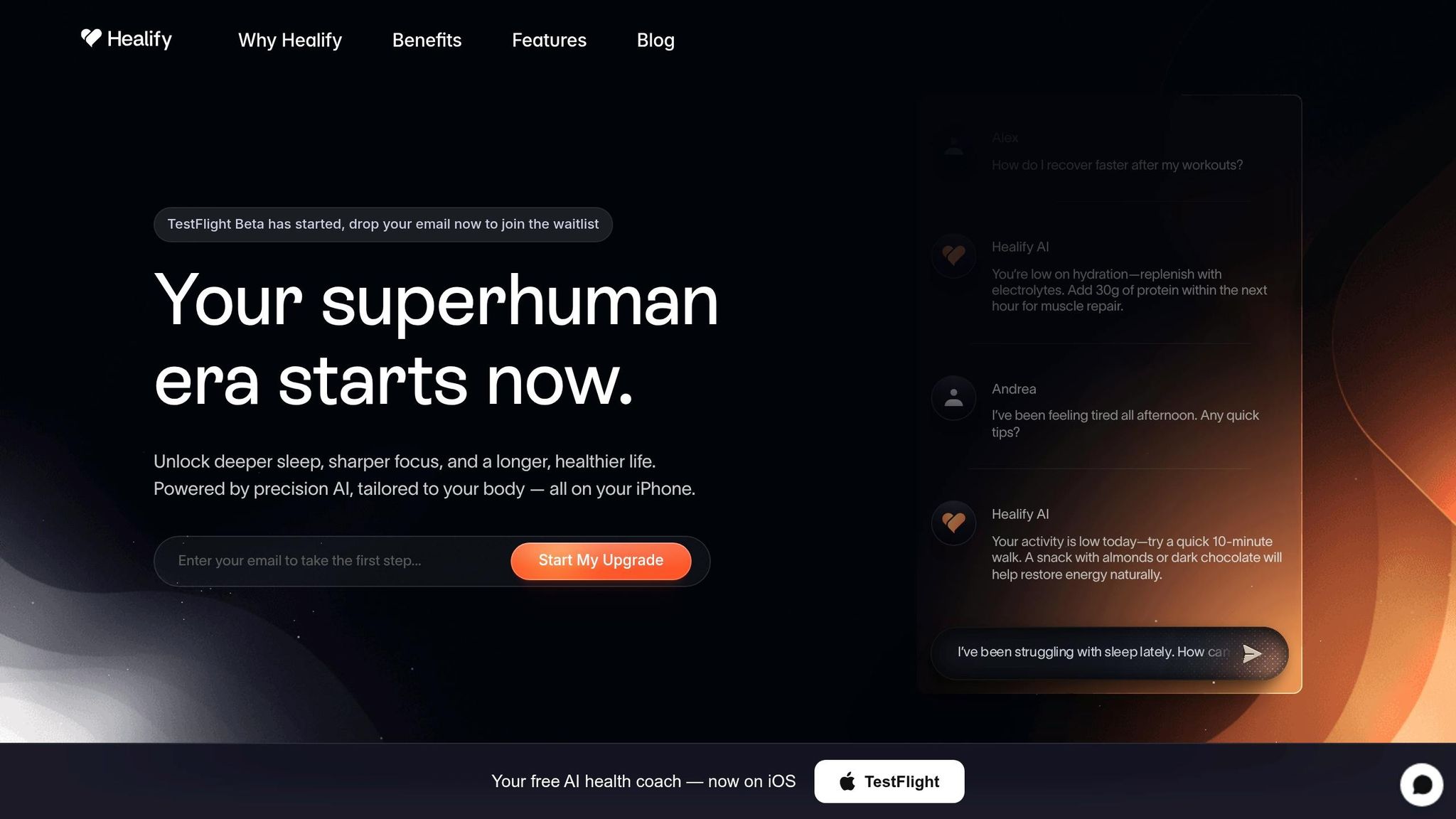
Healify stands out by going beyond simply collecting data. It combines information from wearables, biometrics, bloodwork, and lifestyle habits to create a clear and unified view of your mental and physical health. This approach makes it especially effective for monitoring mental well-being.
A key feature of Healify is its real-time stress tracking. It uses heart rate variability (HRV), a clinically validated biomarker, to monitor stress levels by analyzing the time intervals between heartbeats [17]. When stress is detected, users can engage in a 3-minute HRV biofeedback session. This guided exercise uses gentle vibrations to help with breathing techniques, activating the body’s natural calming mechanisms. The method is backed by science and designed for quick relief [17].
Another standout feature is Anna, Healify’s AI health coach, available at all hours. Anna doesn’t just present raw data; she translates it into easy-to-understand recommendations tailored to your health patterns. Whether it’s your sleep habits, stress levels, or activity trends, Anna connects the dots and provides practical advice, acting like a personal health guide.
Healify also reflects a growing trend in health tech: multimodal signal integration. By combining data from HRV, sleep, and activity, it can pick up on early signs of mental health issues [16][2]. For instance, a 2020 pilot study by researchers from Massachusetts General Hospital and MIT demonstrated that AI models analyzing wearable data, like heart rate and sleep patterns, could reliably correlate with clinician-rated depression severity [2]. This adds a solid scientific basis to Healify’s approach.
In short, Healify turns everyday health data into meaningful strategies for improving mental well-being.
Pros and Cons of Each Platform
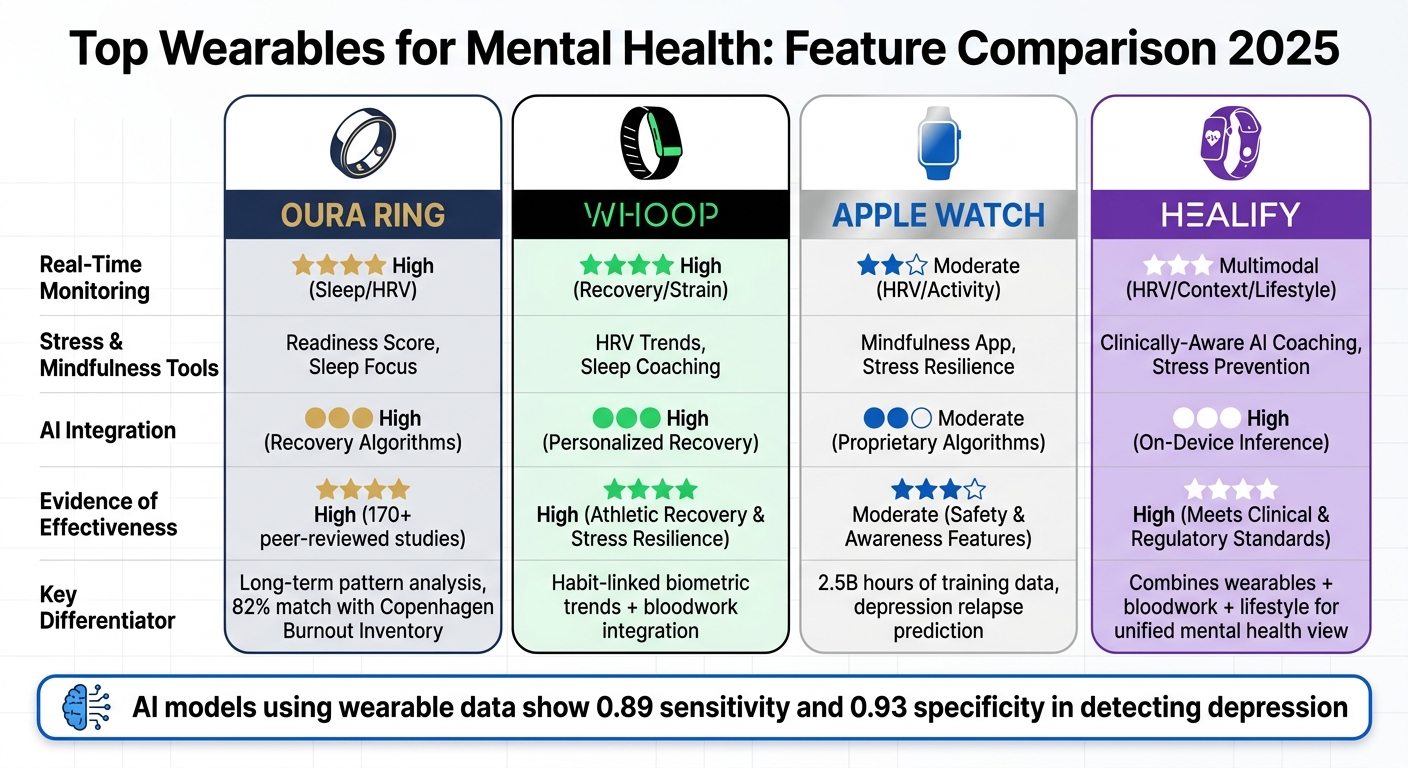
Top Wearables for Mental Health: Feature Comparison 2025
Looking at the platforms discussed earlier, here's a breakdown of how they contribute to wearable mental health monitoring. The table below provides a snapshot of their strengths and challenges.
| Platform | Real-Time Monitoring | Stress Management and Mindfulness Tools | AI Integration | Evidence of Effectiveness |
|---|---|---|---|---|
| Oura Ring | High (Sleep/HRV) | Readiness Score, sleep focus | High (recovery algorithms) | High - widely regarded as a top choice for sleep tracking [18] |
| Whoop | High (Recovery/Strain) | HRV trends and sleep coaching | High (personalized recovery) | High - well-supported for athletic recovery and stress resilience [18] |
| Apple Watch | Moderate (HRV/Activity) | Mindfulness app, stress resilience | Moderate (proprietary algorithms) | Moderate - strong for safety and awareness features [18] |
| Healify | Multimodal (HRV/Context/Lifestyle) | Clinically-aware AI coaching, stress prevention | High (on-device inference) | High - meets clinical and regulatory standards [3] |
Each platform offers a distinct take on real-time monitoring and AI-driven insights for mental health.
The Oura Ring stands out for its focus on sleep and HRV tracking, delivering valuable insights from past data rather than live updates. Its strength lies in retrospective analysis, making it ideal for users keen on understanding long-term patterns.
Whoop, on the other hand, prioritizes continuous recovery monitoring, offering tools like HRV trends and sleep coaching. However, its subscription-only model and lack of an on-device display may not appeal to everyone, especially casual users.
The Apple Watch benefits from seamless integration with the iOS ecosystem and provides accessible wellness features. However, its stress algorithms haven't undergone the same level of independent validation as devices dedicated specifically to health monitoring [18].
Healify takes a broader approach by combining data from multiple sources - wearables, bloodwork, and lifestyle metrics. This layered AI interpretation uncovers patterns that single-device platforms may overlook. Research suggests that combining sleep and behavioral data significantly enhances the accuracy of mental health assessments [1]. This makes Healify a strong choice for those seeking a more comprehensive understanding of their mental well-being.
Conclusion
One takeaway stands out: no single wearable device covers it all. The Oura Ring shines in sleep and recovery tracking. Whoop is excellent for monitoring continuous strain. The Apple Watch offers widespread accessibility and safety tools. However, these devices primarily provide raw data.
The game changes when wearables are integrated with AI platforms like Healify. Dylan Powell, Assistant Professor at the University of Stirling, explains it well:
"Wearables offer the bigger picture by capturing all activity... AI enhances the value of wearables thanks to its speed and efficiency." [20]
This combination of wearables and AI transforms data collection into actionable insights. Instead of leaving users to decipher HRV scores or sleep metrics on their own, Healify's AI coach Anna consolidates data from wearables, blood tests, and lifestyle factors. The result? Clear, actionable guidance on what matters most and how to act on it. That’s the leap from simply knowing the numbers to understanding what they mean.
The growing popularity of wearables highlights their potential. But the missing link has always been intelligent interpretation - converting passive data into personalized, timely advice. AI platforms are stepping in to bridge this gap, and the impact is clear. For instance, wearable-based AI models have demonstrated a pooled sensitivity of 0.89 and specificity of 0.93 in detecting depression [19].
With continuous sensing and AI-driven insights, mental health support no longer has to wait for scheduled appointments or emergencies. These advancements are turning everyday wearable data into meaningful tools for mental health and well-being.
FAQs
How accurate are wearables at spotting depression risk?
Wearable devices are emerging as helpful tools in identifying early indicators of depression risk. They monitor changes in sleep and activity patterns, which can signal potential episodes weeks or even months in advance. With the addition of AI, these devices can analyze data in real time, making predictions more precise. However, it's important to note that this technology is still developing and hasn't been fully validated for clinical use. Researchers are actively working to improve its accuracy and usefulness in supporting mental health.
What’s the best metric to monitor for stress - HRV or sleep?
Heart rate variability (HRV) stands out as a dependable way to monitor stress. It provides a direct window into the activity of the autonomic nervous system, which plays a central role in how our bodies respond to stress. Recent studies emphasize HRV's role in evaluating mental health, making it an essential tool for gauging and managing stress effectively.
How does Healify turn my wearable data into an action plan?
Healify taps into the power of AI to interpret real-time data from your wearable devices, offering personalized suggestions to boost your mental well-being. It translates complicated metrics into straightforward, actionable steps to help reduce stress, improve sleep quality, and enhance overall health - all tailored specifically to you.