
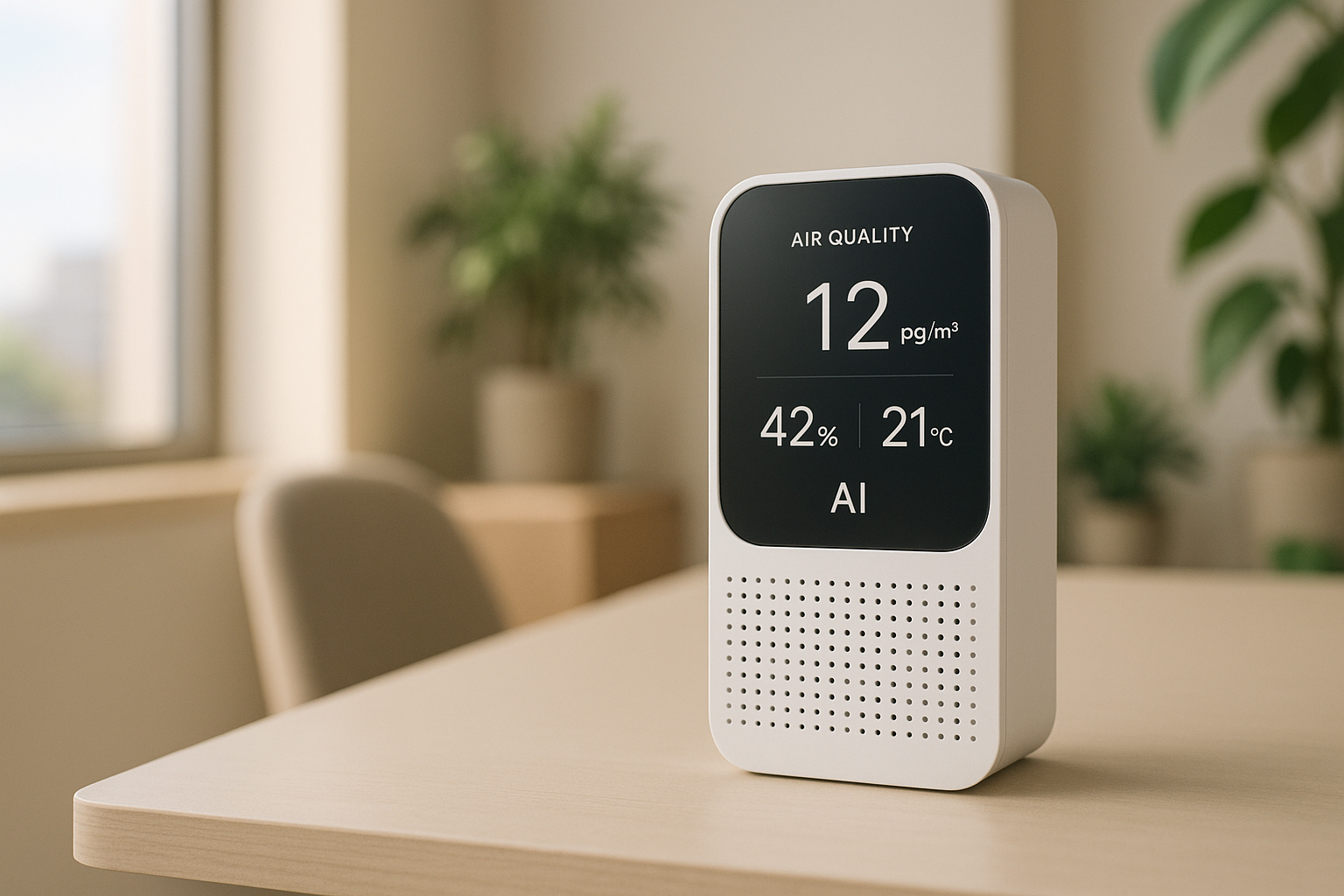
The air inside your home or workplace can directly affect your health, sleep, and productivity. While traditional air quality tests only provide a brief snapshot, AI-powered systems offer continuous monitoring and real-time adjustments to improve indoor conditions. These systems track key metrics like CO₂, particulate matter (PM2.5/PM10), VOCs, temperature, and humidity - helping you maintain a healthier environment effortlessly.
Key Takeaways:
- Why it matters: Poor indoor air quality can impair focus, disrupt sleep, and cause health issues like respiratory discomfort or fatigue.
- What AI does: AI systems analyze real-time data, predict air quality changes, and automate solutions like ventilation or air purification.
- Top metrics to watch: CO₂ (under 1,000 ppm), PM2.5 (under 35 µg/m³), humidity (30–50%), and temperature (68–76°F).
- Advanced solutions: Platforms like BondMCP integrate air quality data with personal health metrics for tailored recommendations.
AI is transforming how we manage indoor health by offering smarter, automated solutions that adapt to your unique needs. Whether at home, work, or school, these systems can improve comfort and reduce health risks.
How to build an indoor air quality monitoring and predictive system - Maria Jose Molina Contreras
Key Indoor Air Quality Metrics
Knowing which factors influence indoor air quality the most can help you make better decisions about your home's environment. With AI-powered monitoring systems, it's now possible to track essential metrics that affect your health, sleep, and daily performance.
Core Metrics: Air Quality, Temperature, and Humidity
Carbon dioxide (CO₂) is a critical indicator of indoor air quality. High CO₂ levels can lead to headaches, fatigue, and reduced cognitive function[4]. Advanced sensors, like the SenseAir S8/S88, use NDIR (non-dispersive infrared) technology to provide accurate CO₂ readings, recalibrating themselves every seven days[4]. These systems often trigger automated ventilation when CO₂ levels exceed 1,000 ppm, ensuring a healthier environment.
Temperature is another key factor for both comfort and productivity. The ideal indoor temperature range is 68–76°F, which supports better sleep and daily activities[2]. AI-driven systems use thermistors and digital sensors to monitor temperature changes in real time, adjusting climate zones automatically to maintain this recommended range.
Humidity levels are just as important, with the ideal range being 30–50% for indoor health[2][4]. Low humidity can aggravate respiratory issues, while high levels encourage mold growth and dust mites. Smart systems use capacitive and digital sensors to track humidity and adjust conditions automatically, ensuring a balanced and comfortable environment.
| Metric | Optimal Range | Health Impact | Sensor Technology |
|---|---|---|---|
| CO₂ | Below 1,000 ppm | Reduces fatigue, supports cognition | NDIR (SenseAir S8/S88) |
| Temperature | 68–76°F | Improves comfort, sleep, and focus | Thermistor, digital sensors |
| Humidity | 30–50% | Prevents mold, supports respiratory health | Capacitive, digital sensors |
In addition to these physical and chemical factors, noise levels also play a significant role in maintaining a healthy indoor environment.
Noise Levels and Brain Function
Indoor noise pollution isn't just annoying - it can interfere with your ability to concentrate, sleep, and manage stress. AI-powered systems equipped with sound sensors and microphones can measure decibel levels throughout the day, helping identify noise patterns that may be affecting your mental focus or sleep quality.
When noise levels exceed healthy limits, these systems can suggest solutions like sound masking, creating quiet zones, or adjusting your schedule to minimize exposure during critical times like sleep or work. By analyzing noise data alongside other health metrics, such as sleep quality, these platforms can recommend targeted actions - like using white noise machines or rescheduling activities - to protect your well-being.
Advanced Metrics: VOCs and Particulate Matter
Once the core factors are addressed, it’s essential to consider additional metrics like VOCs and particulate matter for a more complete picture of indoor air quality.
Particulate matter (PM2.5 and PM10) poses a significant health risk. These microscopic particles can trigger asthma, worsen respiratory problems, and even contribute to heart disease[4]. PM2.5 is particularly harmful since it can penetrate deep into your lungs and enter your bloodstream. Laser scattering sensors, such as those using Plantower PMS technology, monitor these particles continuously and can send alerts when levels rise. AI systems can then activate air purifiers or adjust ventilation to keep particle levels within safe limits.
Total volatile organic compounds (TVOCs) come from everyday items like furniture, cleaning products, and building materials[4]. VOC sensors detect these compounds, including substances like ethanol, helping pinpoint pollution sources for targeted solutions. Metal oxide and photoionization sensors provide real-time data, allowing for quick action to reduce exposure.
Formaldehyde (HCHO) is another concern, as it’s a known carcinogen often found indoors[2]. Electrochemical sensors monitor formaldehyde levels continuously, alerting you to any unsafe concentrations and helping you address the sources effectively.
These advanced systems take the guesswork out of managing indoor pollutants. By automating responses such as ventilation and air purification, they ensure a healthier living space while seamlessly integrating with smart home platforms and building management systems.
AI-Powered Personal Health Recommendations
AI systems are transforming personal health management by blending your health data with real-time indoor air quality information. This synergy turns generic health advice into specific, actionable steps tailored to your unique needs.
Personal Health Benchmarking
AI platforms create a personalized health baseline by analyzing data from various sources like fitness trackers, lab results, sleep logs, and daily routines. They establish what’s normal for you and identify any deviations.
For instance, your wearable might show increased heart rate variability or poor sleep quality on days when indoor CO₂ levels exceed 1,000 ppm. AI systems can detect this pattern, linking environmental factors to changes in your health. Similarly, if shifts in particulate levels align with changes in your physical performance, the system notes this and adjusts its recommendations accordingly.
This method allows AI to pinpoint subtle connections between your health and environmental conditions. Your optimal settings may differ from someone else’s - for example, you might require a specific humidity level for better sleep, while another person thrives under different conditions. AI also factors in your medical history and chronic conditions. If you have asthma, for example, the system will prioritize air quality metrics when offering suggestions.
By building a comprehensive data profile, these systems pave the way for more precise, context-driven actions.
Context-Aware Recommendations with BondMCP

Unlike standalone apps, BondMCP acts as a central hub, integrating all your health data streams into a single intelligence layer. This unified approach ensures your data works together seamlessly.
Using your health baseline as a foundation, BondMCP combines diverse data inputs to deliver real-time, personalized recommendations. It aligns short-term adjustments with your long-term health goals, creating a coordinated system of AI agents that consider your entire health picture.
For example, if your sleep data indicates restless nights linked to high VOC levels detected by indoor sensors, BondMCP enables these systems to communicate. It might automatically adjust the air filtration in your bedroom or suggest alternative actions, like indoor workouts, when outdoor air quality is poor.
Real-Time Health Adjustments
With personalized insights in hand, AI systems can now adapt your environment in real time, responding to your health data and air quality readings to create a dynamic indoor space that supports your well-being.
For instance, if CO₂ levels rise above your threshold (e.g., 1,000 ppm), the system can automatically enhance ventilation or notify you to take action. Similarly, when particulate matter spikes, air filtration systems can kick in without needing manual input.
Smart HVAC systems take this a step further by adjusting temperature and humidity to align with your health needs. If humidity drops below the ideal range for respiratory comfort, connected humidifiers can activate to restore balance. These adjustments aren’t just for comfort - they’re designed to prevent potential health issues before they arise.
In workplaces, this real-time adaptability has been linked to higher productivity and fewer respiratory complaints. Schools using automated ventilation systems have reported lower absenteeism and fewer respiratory problems among students and staff.
AI systems can even sync with your daily schedule. For example, if you have a critical meeting and the air quality isn’t ideal, the system may run purifiers or tweak climate controls to help you stay sharp when it matters most.
sbb-itb-f5765c6
Technologies and Systems for Real-Time Monitoring
Modern indoor health monitoring relies on advanced sensor networks and AI-powered platforms to provide real-time insights into air quality and other factors that impact health. Let’s dive into the key technologies driving these systems.
AI-Powered Monitoring Technologies
Today’s systems track a range of metrics, including particulate matter (PM0.5–PM10), CO₂, TVOCs, HCHO, temperature, humidity, and noise levels. IoT-connected sensors feed this data into AI platforms, which analyze patterns and trigger automated adjustments when needed.
One standout platform is Sanalife E360, which uses IoT sensors to provide real-time data visualization and automated HVAC controls. For example, in 2023, a New York City office building adopted E360 and reduced HVAC energy usage by 62%, while also cutting air quality–related tenant complaints by 40% [2]. The system continuously monitored PM2.5, CO₂, TVOCs, and humidity, sending alerts and adjusting ventilation based on real-time conditions.
Another option, Atmotube Atmocube, combines 12 indoor air quality (IAQ) sensors into a single device priced at around $299. It offers live and historical data dashboards, custom reporting, and integration with third-party platforms via REST API and MQTT protocols. This device is particularly useful for buildings seeking WELL and RESET certifications [3].
Aeroqual provides flexible solutions for real-time air quality monitoring, tracking up to 15 pollutants. Their systems offer both portable and remote options, making them ideal for facilities needing to monitor multiple locations or use mobile devices [5].
In a practical example, a California school district implemented TSI AirAssure IAQ monitors across its campuses. This not only ensured OSHA compliance but also reduced respiratory-related absenteeism by 25% during the school year [2].
The Importance of Device Compatibility
Monitoring systems don’t just need to measure metrics - they also need to work together seamlessly. Unfortunately, many solutions operate independently, creating data silos that prevent a full understanding of how environmental conditions impact health.
Traditional methods like REST API and MQTT often require custom programming and don’t always provide context-aware insights. That’s where BondMCP comes in. This platform eliminates silos by integrating sensor data with personal health metrics, creating a unified system that connects environmental data with health outcomes.
For example, if air quality sensors detect high TVOC levels while wearable devices show disrupted sleep patterns, BondMCP can link these data points and recommend coordinated actions. Its health-focused ontology ensures that data from different devices and manufacturers is interpreted consistently, enabling meaningful collaboration between systems.
Comparing Monitoring Solutions
When choosing an indoor health monitoring system, it’s important to weigh cost, features, and integration capabilities. Options range from basic consumer devices under $100 to enterprise-grade platforms costing several thousand dollars. Here’s a comparison of popular solutions:
| Solution | Metrics Tracked | Integration/Protocols | Certification Support | Cost Range (USD) | Notable Features |
|---|---|---|---|---|---|
| Sanalife E360 | PM, CO₂, TVOCs, HCHO, Temp, Humidity | IoT, Building Systems, REST API | WELL, LEED, OSHA | $500–$5,000+ | Automated HVAC control, energy savings |
| Atmotube Atmocube | 12 IAQ metrics (incl. noise) | REST API, MQTT, Bluetooth | WELL, RESET Grade B | ~$299 | E-ink display, custom reporting |
| Aeroqual | Up to 15 pollutants | Proprietary cloud, API | Industry-specific | $500–$10,000+ | Portable/remote options, verifiable data |
| TSI AirAssure | VOCs, PM, CO₂, Humidity | Building Systems | OSHA, WELL | $300–$2,000+ | Analytics dashboard, health improvements |
| Low-Cost Monitors | PM, CO₂, Temp, Humidity | Limited (some open APIs) | None/basic | $50–$200 | Affordable, basic functionality |
Lower-cost monitors offer basic air quality awareness but often lack the precision and integration needed for automated systems. Mid-range devices like Atmotube Atmocube strike a good balance between features and affordability. Meanwhile, enterprise-grade options like Sanalife E360 and Aeroqual justify their higher prices with energy efficiency and advanced capabilities [2][3].
Choosing the right system depends on your needs. Home users may find basic monitors sufficient, while commercial buildings aiming for certifications like WELL would benefit from platforms like Sanalife E360 or TSI AirAssure.
The Future of Indoor Health Monitoring
AI-powered indoor health monitoring is transforming the way we approach environmental health. Instead of reacting to problems after they occur, we're moving toward predictive, personalized systems that can anticipate and address risks before they affect people. These advanced platforms go beyond simply gathering data - they provide actionable insights and recommendations, bridging the gap between today’s monitoring tools and tomorrow’s integrated, proactive health solutions.
Key Points for Health Optimization
Real-time indoor air quality monitoring has proven its worth, offering both measurable health benefits and significant energy savings. For example, some platforms can cut energy consumption by up to 62% while simultaneously improving air quality [2].
One major leap forward is the adoption of unified protocols like BondMCP. These protocols resolve the fragmentation often seen in traditional health monitoring systems by integrating air quality data, wearable health metrics, and other inputs. BondMCP enables personalized interventions; for instance, if sensors detect high levels of TVOCs (total volatile organic compounds) while a sleep tracker notes disrupted sleep, the system links these factors and suggests targeted solutions. With over 10 medically trained AI models, BondMCP achieves an impressive 99.8% accuracy rate and validates recommendations in under three seconds [1]. This meticulous process ensures reliable insights, avoiding the risks of AI errors or "hallucinations" that could lead to misguided advice.
Modern systems also play a critical role in meeting LEED and WELL certification requirements by automating reports and maintaining historical data for compliance [2]. Companies adopting these systems report reduced absenteeism and better cognitive performance among their employees, highlighting the broader benefits of comprehensive health monitoring.
What's Next: AI in Indoor Health
Looking ahead, future systems will harness predictive analytics and context-aware AI to take indoor health monitoring to the next level. Instead of merely alerting users when air quality dips, these systems will anticipate potential problems by analyzing weather patterns, occupancy schedules, and past trends.
To ensure trust in AI-driven recommendations, cryptographic trust certificates will verify that health-related suggestions are based on validated, consensus-driven insights rather than relying on a single AI model [1]. As these systems begin making automated adjustments to HVAC and air purification systems, such verification will be essential for maintaining reliability.
The idea of a "verified health internet" is also emerging. This concept envisions a network where environmental and health data is transformed into trusted, actionable decisions that connected systems can rely on [1]. BondMCP, for example, processes over 2.5 million API calls monthly with 99.9% uptime, demonstrating the scalability required for widespread adoption [1].
Future advancements will likely include seamless integration with building management systems, allowing AI to coordinate effortlessly between environmental sensors, personal health devices, and facility controls. This would create adaptive spaces that cater to both collective and individual health needs.
The push toward zero-hallucination health AI is another critical development. By grounding decisions in verified, consensus-based insights, these systems minimize the risk of errors in environmental adjustments [1]. With BondMCP expanding its network to over 50 health systems globally [1], the foundation for trustworthy, automated indoor health solutions is becoming stronger.
These innovations point to a future where indoor environments actively promote long-term health. By using real-time data and predictive modeling, these systems will automatically adapt conditions to optimize well-being - all while maintaining the clinical-grade precision required for health-related decisions.
FAQs
How can AI systems monitor and improve indoor air quality in real time?
AI-powered systems are transforming how we manage indoor air quality by constantly monitoring factors like temperature, humidity, and pollutant levels. Equipped with advanced sensors and machine learning algorithms, these systems can quickly identify harmful changes, such as spikes in carbon dioxide or particulate matter. Once detected, they act immediately - adjusting ventilation or fine-tuning air purifiers to maintain a safe and comfortable environment.
What makes these systems even more effective is their ability to integrate with platforms like BondMCP - Health Model Context Protocol. This connection allows environmental data to be paired with personal health metrics, creating a seamless way to enhance both indoor conditions and individual well-being. The result? A smarter, healthier, and more comfortable living space.
What are the health benefits of maintaining good indoor air quality?
Maintaining good indoor air quality plays a key role in supporting health and overall well-being. Breathing clean air minimizes exposure to harmful pollutants, allergens, and toxins, reducing the likelihood of respiratory problems, allergies, and chronic conditions like asthma.
Beyond physical health, clean air can positively impact your daily life. It helps improve sleep, boosts energy levels, and sharpens cognitive performance by ensuring your body and brain get the oxygen they need. Plus, it strengthens your immune system, making it easier for your body to fight off illnesses.
How does BondMCP use personal health data and indoor air quality insights to provide personalized health recommendations?
BondMCP brings together personal health data - like information from wearables, lab tests, and daily habits - with real-time indoor air quality metrics to create customized health recommendations. By linking these data sources, BondMCP's AI agents can evaluate how factors like temperature, humidity, and air pollutants influence your health.
This integrated system offers practical insights, such as fine-tuning your sleep environment, adjusting your workout routine, or updating your supplement choices based on air quality patterns. It’s a personalized, hands-off approach that quietly supports your health and enhances your everyday life.