
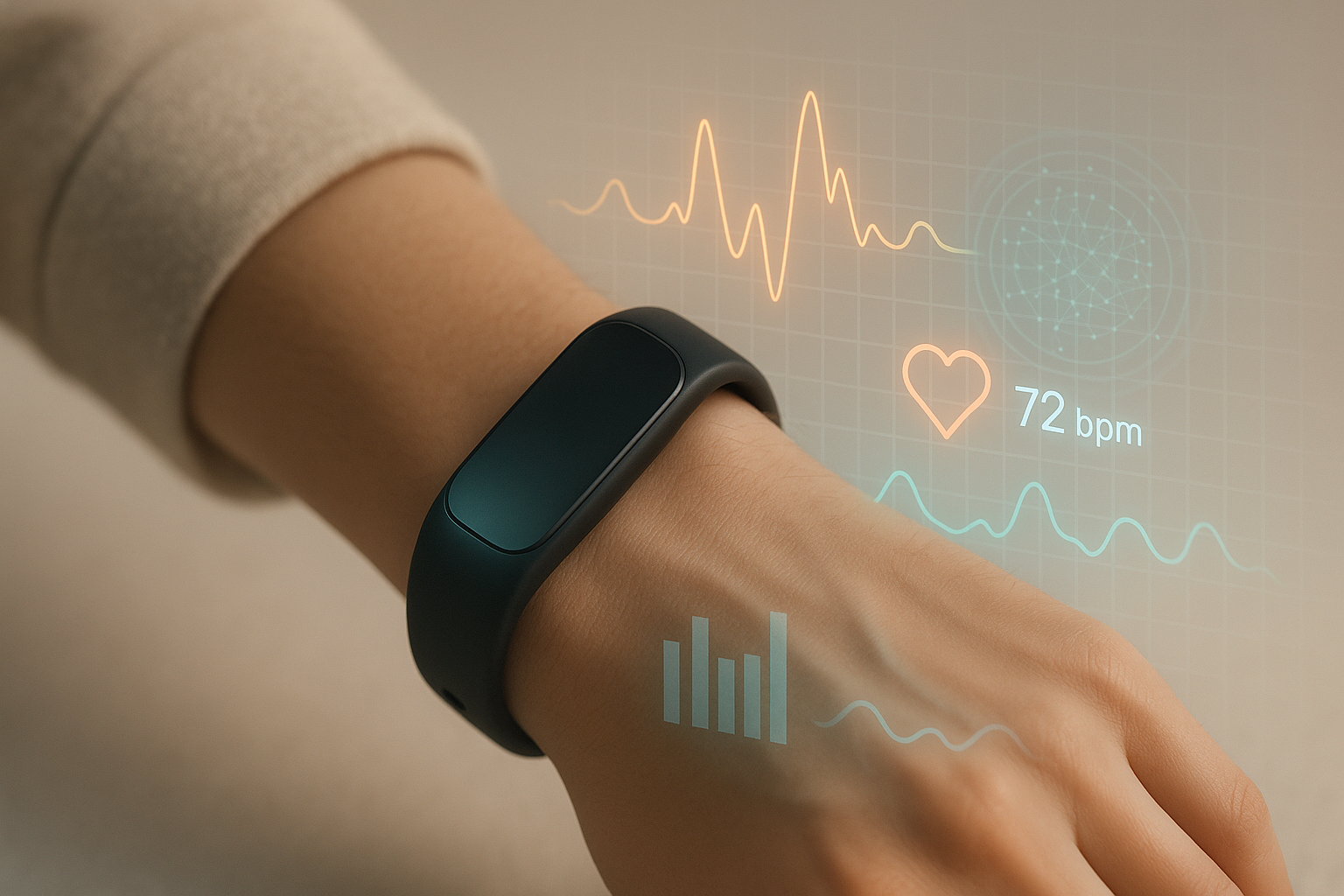
AI is changing healthcare by using fitness data for early health risk detection and personalized care. Wearables, smartphones, and connected devices collect metrics like heart rate, sleep patterns, and activity levels. AI analyzes this data to predict risks and send alerts, offer tailored advice, and improve health outcomes. Key tools like BondMCP unify fragmented data from multiple sources, creating a single health profile for more accurate insights. This shift helps prevent chronic conditions, reduces healthcare costs, and simplifies health management.
Key Takeaways:
- Data Sources: Wearables, smartphones, fitness apps, and smart home devices collect health metrics.
- AI's Role: Identifies health risks, connects patterns, and provides real-time, personalized recommendations.
- Unified Systems: Platforms like BondMCP consolidate data for better health insights.
- Benefits: Early detection of risks, improved health outcomes, and reduced costs.
AI-powered preventive care is making health management smarter, simpler, and more proactive.
Collecting and Connecting Fitness Data
Key Fitness Data for Health Insights
The backbone of AI-driven preventive care is the detailed collection of fitness metrics that paint a picture of your overall health. Today’s wearables and health apps gather an impressive array of data every minute, giving AI systems the tools to detect early signs of health issues.
One standout metric is heart rate variability (HRV), which measures subtle changes in the time between heartbeats. HRV offers a glimpse into how well your autonomic nervous system is functioning and can reveal stress levels, recovery status, and even early indicators of overtraining or illness. Pairing HRV with resting heart rate data provides a more complete view of cardiovascular health and potential risks.
Sleep architecture data dives deeper than just tracking how long you sleep. Advanced tools now measure REM cycles, deep sleep phases, sleep efficiency, and nighttime heart rate trends. This detailed information not only helps improve sleep quality but also ties directly to immune health, making it a key piece of the preventive care puzzle.
Activity and movement patterns go beyond simple step counts. They include exercise intensity, calorie burn, active minutes, and even sedentary behavior. Modern devices can distinguish between activities like walking, running, yoga, or strength training, giving a clearer picture of your fitness habits and energy expenditure.
Biometric measurements from connected devices add another layer to health monitoring. Blood pressure, blood glucose, body composition, and even skin temperature can now be tracked. Over time, these metrics help AI spot trends that might signal emerging health issues, creating a more comprehensive health profile.
These insights are made possible by cutting-edge technology, which ensures accurate data collection for AI analysis.
Data Collection and Sources
The fitness data ecosystem pulls from a variety of sources, each contributing unique pieces to your health puzzle. Wearable devices play a central role, continuously monitoring vital signs, activity levels, and even environmental factors throughout the day.
Smartphone sensors add to this by capturing movement, location, and heart rate using technologies like photoplethysmography. Many people don’t realize their phones already collect valuable health data using built-in accelerometers, gyroscopes, and other sensors.
Smart home devices take data collection a step further. Smart scales analyze body composition, sleep-tracking mattresses monitor breathing and movement, and even smart thermostats provide environmental data that can influence sleep and recovery. Connected devices like blood pressure cuffs, glucose monitors, and pulse oximeters bring clinical-grade measurements into the mix.
Fitness apps and platforms such as Strava, MyFitnessPal, and specialized workout apps contribute structured data on activities, nutrition, and even subjective wellness scores. These apps often include social features that add context about motivation and adherence to health routines.
The challenge lies in bringing all this data together into a single, coherent health profile. Each device and app stores information differently, using unique formats, units, and sampling rates. AI systems must harmonize this data, smoothing out inconsistencies to create a standardized profile that can be analyzed effectively over time.
Why Data Compatibility Matters
Once health data is gathered from various sources, ensuring its compatibility becomes essential for accurate AI analysis. Fragmented data can limit the effectiveness of preventive care. For example, if your sleep tracker doesn’t sync with your fitness app or your lab results exist separately from your daily activity data, AI systems can miss critical connections that lead to meaningful health insights.
Interoperability challenges can directly impact the quality of AI-generated recommendations. Imagine an AI advising you to increase workout intensity based solely on fitness data, without considering poor recovery metrics from your sleep tracker. Such advice could do more harm than good.
To overcome this, data standardization is key. By unifying measurements from different devices and manufacturers, AI can analyze combined data more effectively, leading to better preventive care suggestions.
BondMCP tackles these challenges by offering a unified framework that allows seamless communication between various health and fitness systems. Instead of forcing users to stick to one ecosystem or manually transfer data, BondMCP creates a shared layer where data from wearables, lab results, supplements, fitness apps, and sleep trackers can work together.
This approach changes how AI operates in health management. With BondMCP, your sleep data can influence your workout recommendations, lab results can adjust your supplement plans, and your long-term health goals can guide real-time decisions across all connected platforms.
The benefits go far beyond convenience. When all your health data sources work together, AI can uncover patterns and relationships that isolated data streams would miss. This interoperability turns scattered data points into a cohesive, proactive health strategy - laying the groundwork for effective preventive care.
Converting Fitness Data into Health Insights
AI Analysis and Risk Prediction
With unified data collection as a foundation, AI takes fitness metrics and turns them into actionable health predictions. By applying pattern recognition and predictive modeling, AI uncovers trends and connections that are nearly impossible to spot through manual observation.
For instance, AI analyzes how factors like sleep quality, exercise intensity, and recovery patterns influence one another. Imagine your deep sleep duration drops significantly while your workout intensity remains high - AI can flag this as a potential precursor to burnout or injury, giving you a heads-up before symptoms arise.
Through temporal pattern analysis, AI also learns individual rhythms and seasonal changes. Over time, it might notice that your energy levels dip during certain months or that specific exercise routines improve your sleep quality. This continuous learning enables AI to provide personalized risk assessments, shifting healthcare from reactive to proactive.
Custom Health Recommendations
AI doesn’t just analyze data - it translates it into personalized action plans that evolve in real time based on your goals and new information.
- Exercise adjustments: AI evaluates recovery markers, past workouts, and performance trends to recommend tweaks. If your heart rate variability (HRV) suggests insufficient recovery, it might suggest replacing high-intensity exercises with lighter activities or adding a rest day.
- Nutritional advice: By factoring in activity levels, sleep quality, and stress markers, AI fine-tunes diet recommendations. For example, if stress biomarkers spike, it might suggest increasing magnesium intake or timing carbs to support recovery.
- Stress management: AI connects the dots between disrupted sleep, HRV changes, and resting heart rate variations to recommend interventions like breathing exercises, meditation, or rescheduling intense workouts.
What sets AI apart is its contextual intelligence - it doesn’t just offer isolated tips. Instead, it integrates data from multiple sources to provide recommendations that align with your overall health profile. Platforms like BondMCP use this approach to ensure that advice is consistent and actionable, paving the way for automated preventive care.
Benefits Over Manual Health Tracking
When comparing AI-driven insights to manual health tracking, the advantages of AI become immediately clear:
| Aspect | Manual Tracking | AI-Driven Analysis |
|---|---|---|
| Data Processing | Tracks a limited set of metrics | Analyzes a wide range of data points |
| Pattern Recognition | Spots only obvious trends | Detects subtle, complex correlations |
| Prediction Accuracy | Reacts to issues after they occur | Predicts potential problems proactively |
| Personalization | Relies on generalized guidelines | Delivers tailored, data-driven advice |
| Time Investment | Requires constant manual input | Automates analysis and insights |
| Bias Elimination | Prone to subjective interpretation | Provides objective, data-based insights |
AI’s speed and consistency also address the shortcomings of manual tracking. Even if you miss logging data for a day or two, AI continues to monitor and analyze trends, ensuring no critical patterns go unnoticed. Unlike manual methods, which can be influenced by emotional biases, AI objectively evaluates long-term trends and flags only the changes that genuinely matter. This level of precision and reliability forms the backbone of proactive health strategies discussed throughout this article.
Custom and Automated Preventive Care
Real-Time Care Plan Updates
AI-driven systems now use real-time data from wearables, lab results, and activity trackers to keep care plans updated. For instance, if your fitness tracker notices an unusual spike in your resting heart rate, the AI cross-checks this with data like your sleep patterns, workout intensity, and stress levels. If the system detects signs of overtraining, it can recommend adjustments - such as scaling back workout intensity or scheduling more recovery time.
This kind of instant feedback plays a key role in staying healthy. If your sleep quality takes a hit, the AI might suggest immediate changes to your routine. Similarly, if you're traveling across time zones, the system can tweak its advice to help you manage jet lag more effectively.
These real-time updates naturally tie into systems designed for continuous health monitoring.
Automatic Health Monitoring
AI-powered health monitoring systems take the hassle out of manual tracking, offering 24/7 alerts based on ongoing data analysis. These systems are smart enough to differentiate between normal fluctuations and potential health concerns that need attention.
For example, if your activity levels drop significantly and this coincides with poorer sleep or rising stress markers, the system might flag these changes for further review. Over time, as the AI learns your individual patterns, it becomes more accurate at identifying what’s normal for you versus what might signal a problem. This reduces false alarms and ensures attention is directed where it’s most needed.
These automatic alerts work hand-in-hand with real-time updates, creating a well-rounded approach to preventive care.
Context-Aware Health Intelligence
Taking things a step further, systems like BondMCP showcase the power of context-aware health intelligence. By integrating data from multiple sources, these systems build a complete picture of your health. For example, BondMCP connects the dots between your sleep data, lab results, and wellness goals, ensuring every recommendation aligns with your overall well-being.
In more complex scenarios, this context-aware approach shines. If your lab results show minor changes, the system doesn’t just flag them in isolation. Instead, it considers factors like your recent workouts, sleep quality, stress levels, and diet to pinpoint possible causes. Often, this leads to practical advice - like prioritizing rest - over jumping to immediate, isolated solutions.
sbb-itb-f5765c6
The Future of Wearable Health Tech (and Why It Matters)
The Future of AI-Powered Preventive Care
AI is reshaping the way we think about health, turning fitness data into actionable insights for preventive care. This evolution marks a major leap in how we manage health and longevity, moving beyond simple activity tracking to predicting potential risks before they arise.
Wearable technology is advancing rapidly. AI-powered devices now monitor vital signs like heart rate and oxygen levels in real time, spotting irregularities that might signal early health issues [2][4]. By analyzing patterns across multiple data points, these systems can detect subtle changes that may indicate the onset of chronic conditions such as diabetes or heart disease [1][2].
The next frontier in preventive care is personalized treatment. AI-driven algorithms will combine genetic information, lifestyle habits, and medical history to craft tailored health strategies using AI agents [2][3]. Additionally, AI will handle tasks like optimizing medication schedules and dosages, improving treatment outcomes [1]. Genomic analysis powered by AI will also help identify risks and factors influencing longevity, enabling healthcare providers to intervene long before symptoms develop [1][3].
For older adults, these advancements mean smarter, safer living. AI-based systems will provide robust support, including smart home monitoring that tracks movement, detects falls, and alerts caregivers [2]. Robotic companions may also play a role, offering social interaction to combat loneliness and promote mental well-being [2].
As technology evolves, fully autonomous diagnostics are becoming a reality. Integrating tools like the Internet of Medical Things (IoMT) and quantum computing, these systems will process vast amounts of real-time data to deliver precise, automated care [2].
Platforms like BondMCP exemplify this shift by unifying data from wearables, lab tests, supplements, and sleep trackers into a single, intelligent system, eliminating data silos and enhancing care coordination.
This vision of the future redefines healthcare, making personalized, automated care a continuous part of everyday life.
FAQs
How does AI use fitness data to predict health risks and provide personalized care?
AI takes fitness data - like heart rate, activity levels, sleep patterns, and other biometric details - and analyzes it to uncover patterns that could hint at potential health concerns, such as heart disease or diabetes. By processing this information in real time, it can spot early warning signs and offer suggestions tailored to your health goals.
These suggestions might involve lifestyle tweaks, such as adjusting your workout routine or improving your sleep schedule, or specific actions, like changing your diet or scheduling a visit with a healthcare provider. This forward-thinking approach not only helps prevent serious health issues but also ensures that your care is customized to fit your unique needs.
What makes it difficult to combine data from different health and fitness devices, and how does BondMCP solve this problem?
Combining data from health and fitness devices can feel like piecing together a puzzle with mismatched parts. Different systems, incompatible formats, and platforms that don’t communicate create roadblocks, making it nearly impossible to get a complete picture of your health.
That’s where BondMCP steps in. By introducing a shared context layer, it bridges the gap between your devices, apps, and health data. Its health-specific ontology ensures your data is standardized and easy to interpret, while the plug-and-play orchestration system allows wearables, labs, fitness trackers, and more to work together in real time. The result? A smoother, more personalized way to manage your health - no more switching between apps or dealing with conflicting advice.
How can AI-powered preventive care improve health outcomes and reduce healthcare costs?
AI-driven preventive care is reshaping how we approach health management by focusing on early detection, tailored interventions, and proactive choices. By continuously analyzing real-time health and fitness data, AI can spot potential health issues before they become serious, enabling timely actions that may prevent expensive treatments or hospital stays.
On top of that, AI simplifies healthcare processes by integrating data from wearables, lab results, and other sources. This reduces unnecessary tests and ensures resources are used more effectively. The result? Better patient outcomes and a more cost-efficient healthcare system, with care plans designed specifically for individual needs.