
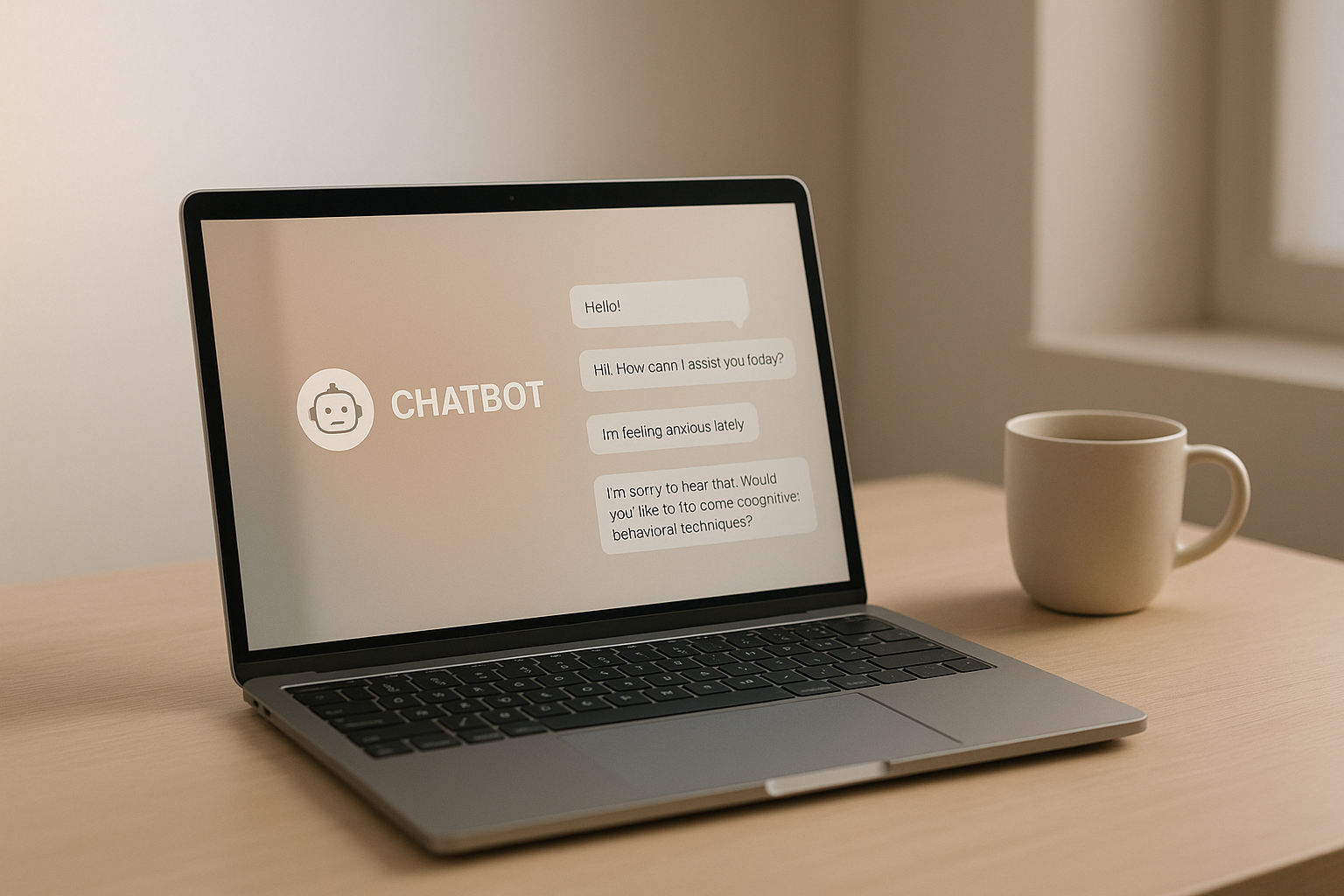
Struggling to find mental health support when you need it? Personalized CBT chatbots might be the answer. These AI tools use cognitive-behavioral therapy techniques to deliver 24/7 mental health support tailored to your needs. They’re private, always available, and can even track your progress over time. But they’re not perfect - concerns around data privacy, emotional limitations, and over-reliance on AI remain.
Key Takeaways:
- What They Do: CBT chatbots guide users through therapy techniques like mindfulness and cognitive restructuring.
- Why Personalization Matters: Tailored responses improve engagement and outcomes, with some users reporting up to a 48% reduction in depression symptoms.
- Benefits: Instant access, privacy, and personalized feedback.
- Challenges: Data security risks, lack of human empathy, and potential over-dependence.
These tools work best as a supplement to therapy, not a replacement. The future lies in integrating them with broader health tools like fitness trackers and sleep monitors to provide even more targeted support.
28 And Depressed: Finding Cognitive Behavioural Therapy With AI
Main Benefits of Personalized CBT Chatbots
Personalized CBT chatbots offer a range of advantages that address common obstacles people face when seeking mental health support. These benefits go beyond convenience, reshaping how individuals access and engage with therapy.
24/7 Access and Instant Support
One standout benefit is their constant availability, which is a key reason why AI chatbots for anxiety are becoming so popular. Unlike traditional therapy, which often involves scheduling appointments weeks ahead, these chatbots are accessible anytime, providing immediate support whenever it's needed.
This around-the-clock access is especially critical during moments of crisis or late-night distress when professional help may not be an option. Users can instantly tap into coping strategies tailored to their needs, offering a lifeline during difficult times.
For those in rural or underserved areas, where mental health professionals may be scarce, these chatbots deliver evidence-based therapeutic techniques that might otherwise be out of reach. This technology helps close the gap in mental health care access between urban and remote communities.
Privacy and Reduced Stigma
Concerns about privacy and the stigma surrounding therapy often deter people from seeking help. Personalized CBT chatbots provide a completely anonymous environment, encouraging users to open up without fear of judgment.
Unlike traditional therapy, there's no risk of bumping into a therapist in public or having others know about your treatment. This anonymity fosters honest self-reflection and makes it easier for individuals to take those first, often daunting steps toward addressing mental health challenges.
The informal nature of chatbot interactions also feels less intimidating, creating a safe space for users to practice therapeutic techniques. They can explore cognitive behavioral exercises, experiment with coping strategies, and build confidence - all in a private setting. For those considering human-led therapy later, this can serve as a helpful stepping stone.
Personalized Feedback and User Engagement
Another key strength of these platforms is their ability to deliver personalized feedback. Responses are tailored to each user's needs, preferences, and progress, ensuring a more engaging and effective experience.
Through adaptive learning, chatbots can identify which techniques resonate most with a user. This is largely due to how NLP powers CBT chatbots, allowing them to understand and respond to complex human emotions. For instance, if someone benefits more from mindfulness exercises than cognitive restructuring, the chatbot adjusts its recommendations accordingly. This creates a therapy experience that feels uniquely suited to the individual.
The real-time feedback loop between user and chatbot keeps users actively involved in their mental health journey. Immediate responses, validation of efforts, and gentle guidance help users stay engaged, even when they encounter challenging concepts or exercises. This dynamic interaction fosters a sense of progress and empowerment.
Challenges with Personalized CBT Chatbots
Personalized CBT chatbots have opened up exciting possibilities in mental health care, but they’re not without their challenges. Both users and developers must navigate these obstacles to truly maximize the potential of this technology.
Data Privacy and Security Issues
Handling sensitive mental health data is a delicate task, and with chatbots, privacy concerns take center stage. These tools collect personal details that, if breached, could lead to serious, long-term consequences.
Take HIPAA compliance, for example. While it sets strict guidelines to protect health information, many mental health apps operate in murky regulatory areas, leaving users with fewer protections than they might expect. A data breach in this space isn’t just a technical issue - it’s deeply personal. Imagine therapy conversations, mood logs, or behavioral data falling into the wrong hands. The fallout could include discrimination in the workplace, challenges with insurance, or even strained relationships.
Another layer of complexity lies in where data is stored. Many chatbots rely on cloud services that span multiple countries, each with its own privacy laws and government regulations. Users rarely know where their data is kept or who might have access to it, creating a sense of unease.
Ultimately, these privacy and security concerns don’t just pose risks - they also erode user trust, which is critical for any mental health tool to succeed.
User Trust and Emotional Understanding
Trusting an AI with your emotions is no small feat, especially during times of crisis when empathy feels indispensable. While chatbots can simulate human-like responses, they lack the genuine emotional understanding that users often seek.
For instance, a chatbot might recognize words linked to sadness and respond with comforting phrases, but users can usually sense the absence of real empathy. This disconnect can make the interaction feel hollow, especially in moments of vulnerability.
Cultural and linguistic differences add another layer of difficulty. CBT techniques that work well for one group may not resonate with another. A chatbot trained on data from a specific demographic might miss critical context when interacting with users from different backgrounds, leading to misunderstandings or ineffective responses.
Mistakes or tone-deaf replies from chatbots can further undermine trust. Unlike a human therapist who can quickly adjust and clarify, a chatbot might continue down an unhelpful path, leaving users feeling frustrated or misunderstood. These gaps in emotional and cultural awareness make it harder for users to fully engage with the tool.
User Engagement and Over-Dependence Problems
Keeping users consistently engaged with a CBT chatbot is no easy task. What starts as an exciting, novel experience can quickly lose its appeal if the chatbot’s responses feel repetitive or fail to adapt to the user’s progress.
This drop in engagement often stems from the chatbot’s predictability. Unlike human therapists who bring fresh perspectives and varied approaches, chatbots can fall into patterns that feel stale over time. As a result, users may lose motivation to continue.
There’s also the risk of users becoming overly dependent on the chatbot. While these tools can provide valuable support, they might unintentionally delay the development of self-reliance or prevent users from seeking help from a human therapist when it’s truly needed.
Gamification features, while initially engaging, can sometimes backfire. Instead of focusing on meaningful progress, users might become preoccupied with maintaining streaks or earning rewards, which can detract from the therapeutic process.
Finally, knowing when to move beyond chatbot support is a gray area. While many platforms have crisis intervention protocols, they may miss subtle signs that a user needs immediate help from a human professional. This gap can leave vulnerable individuals without the support they need during critical moments.
Adding to the complexity, most CBT chatbots operate in isolation from broader healthcare systems. They’re often not integrated with health records, medication tracking, or communication with human therapists. This lack of coordination can result in conflicting advice or missed opportunities for more comprehensive care.
Addressing these challenges is crucial to building a mental health support system that bridges the gap between automated tools and human care. By tackling these issues head-on, we can move closer to a future where AI-driven CBT truly complements and enhances mental health treatment.
sbb-itb-f5765c6
How Contextual Data Improves Personalization
The strength of CBT chatbots lies in their ability to incorporate a wide range of user context. By pulling data from various sources, these chatbots evolve from basic Q&A tools into dynamic mental health companions, tailored to individual needs. This contextual foundation paves the way for advanced personalization strategies.
How Personalization Works
Modern CBT chatbots rely on natural language processing (NLP) and machine learning to create a seamless, personalized experience. By retaining details from past interactions, they build a mental health profile unique to each user [1]. This isn't just about remembering facts - it's about crafting a continuous thread of care.
For example, if you've previously shared that mornings are tough for you, a well-designed chatbot will recall this and suggest morning-specific coping techniques in future conversations. Similarly, if Sundays tend to heighten your anxiety, the chatbot might proactively recommend relaxation exercises or schedule a check-in to help you navigate those moments.
This level of customization allows the chatbot to go beyond generic advice, offering targeted CBT and dialectical behavior therapy (DBT) techniques that align with your lived experiences. By analyzing patterns in your mood, activity, or even sleep, these systems can detect early signs of depression and step in with timely interventions [2][4].
Why Context-Aware Systems Matter
Context-aware systems elevate chatbot functionality by adapting to your real-time needs and environment [1][3]. Instead of delivering one-size-fits-all responses, they consider factors like the time of day, recent stressors, past interactions, and your current emotional state. This adaptability creates a more empathetic and responsive experience [1][3].
For instance, if your typing speed or response time suggests you're overwhelmed, the chatbot might switch to shorter, more digestible suggestions rather than lengthy explanations. This judgment-free interaction fosters trust, encouraging users to share sensitive information without fear of being misunderstood [2][3].
Additionally, these systems can integrate data from wearables, such as smartwatches, to monitor stress and anxiety in real time [5]. If your device detects an elevated heart rate or disrupted sleep, the chatbot can step in with stress-reducing techniques - sometimes before you're even aware of the issue. Over time, as the chatbot learns from new data, it continues to refine its responses and expand its capabilities [3].
BondMCP's Role in Better Personalization
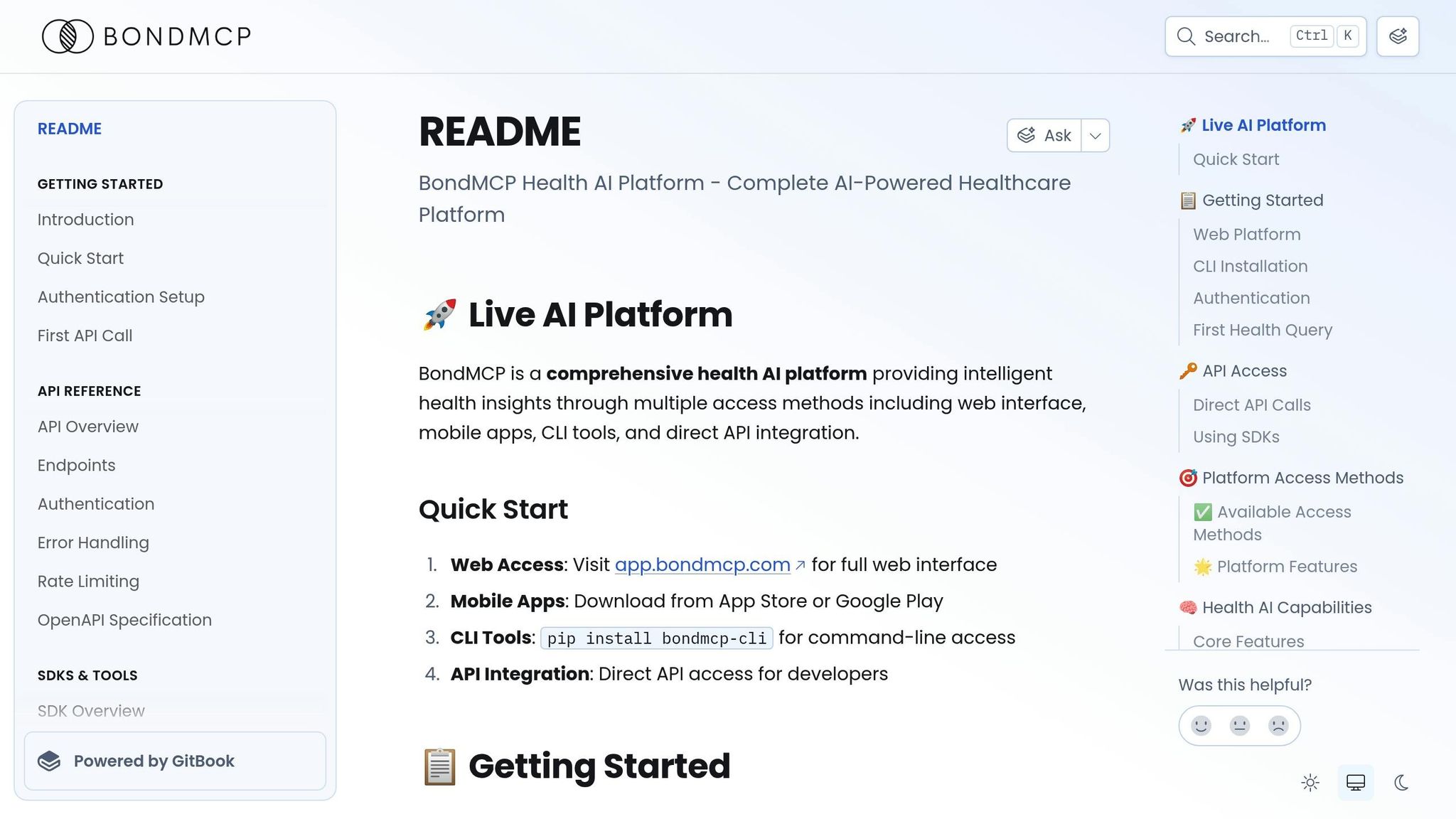
While many CBT chatbots operate in isolation, BondMCP bridges the gap by creating a unified intelligence layer. This platform addresses the challenge of disconnected data, enabling chatbots to access a comprehensive view of your overall well-being. Beyond mental health conversations, BondMCP integrates information like sleep patterns, fitness habits, nutrition data, lab results, and daily routines.
For example, a chatbot equipped with BondMCP’s capabilities can combine insights from your sleep tracker, fitness app, and lab reports to offer tailored interventions. Instead of just addressing symptoms, it can pinpoint and address the root causes of your mental health challenges.
BondMCP simplifies the process for developers, offering a health-specific ontology and plug-and-play orchestration. This means developers can focus on creating meaningful therapeutic interactions, while BondMCP manages the complex task of connecting diverse data sources.
For users, this integration translates to a seamless experience where their chatbot works in harmony with other health tools. Imagine a system where your therapy sessions inform your sleep tracker, your nutrition app contributes valuable context, and your wellness goals shape therapeutic strategies. Proactive care becomes possible - if your wearable data signals a potential depressive episode through changes in activity, heart rate variability, or sleep, the chatbot can intervene early with strategies that have worked for you before.
Future Development and Integration Options
The potential for context-aware personalization in mental health chatbots is expanding, with future advancements aiming to embed these tools more deeply into comprehensive health systems. The evolution of personalized CBT chatbots is paving the way for smarter, more responsive mental health support.
Improving Effectiveness and Safety
Research is continually shaping the therapeutic capabilities and safety measures of CBT chatbots. While early studies suggest promise, clinical validation is still a work in progress. Developers are focusing on creating robust safety protocols to ensure these systems can guide users to seek immediate human help when necessary. Additionally, efforts to design standardized assessment tools are underway, helping to pinpoint the most impactful features of these digital solutions. These improvements are laying the groundwork for broader integration into health systems.
Adding Chatbots to Complete Health Systems
Mental health doesn’t exist in isolation - it’s closely tied to physical health, lifestyle habits, and environmental factors. Platforms like BondMCP are stepping into this space by acting as a central intelligence hub. By connecting data from wearables, lab results, nutrition logs, fitness trackers, and sleep monitors, these platforms enable chatbots to deliver timely and personalized mental health interventions. This seamless data integration allows developers to concentrate on refining therapeutic interactions while the platform manages the technical complexities behind the scenes.
The Future of Mental Health and AI
As personalization and context continue to shape CBT chatbots, future AI advancements will take these tools even further. AI-powered mental health solutions are already shifting the traditional therapy model, moving beyond scheduled sessions to offer continuous, adaptive support that responds to daily changes in well-being. Emerging technologies like predictive analytics and multimodal data will make chatbot responses even more tailored. The ultimate goal is a fully integrated support system where mental health care becomes a natural part of daily life, providing guidance and interventions exactly when they’re needed most.
Conclusion
Personalized CBT chatbots are reshaping how mental health support is delivered by making it more accessible and tailored to individual needs. They provide around-the-clock availability, break down traditional barriers to therapy, and adjust to each user's unique circumstances.
That said, there are challenges that can't be ignored. Concerns about data privacy, maintaining user trust, and the potential for over-reliance underscore the need for thoughtful implementation and continuous monitoring. These tools are most effective when they enhance, rather than replace, the critical role of human therapists.
To address these challenges, integrating broader health data can take personalization to the next level. By incorporating insights from tools like sleep trackers, fitness devices, lab results, and daily habits, chatbots can evolve into more than just conversational aids - they can become comprehensive health companions. Platforms such as BondMCP are already enabling this kind of integration, using unified intelligence to deliver timely, relevant interventions. This approach allows chatbots to respond not only to what users say but also to patterns in their overall health, creating a more connected and effective support system.
Looking ahead, the emphasis must remain on responsible development - ensuring user safety, protecting privacy, and enhancing human care. Personalized CBT chatbots aren't here to replace traditional therapy but to complement it, creating a seamless, everyday support system for mental health.
The key to their success lies in balancing technological innovation with the irreplaceable human qualities of empathy and trust. By harmonizing cutting-edge AI with genuine human connection, these tools can help make mental health care a natural and integral part of daily life.
FAQs
How do personalized CBT chatbots protect user privacy and secure sensitive data?
Personalized CBT chatbots take user privacy and data security seriously. They employ advanced encryption techniques, follow strict privacy protocols, and comply with regulations like GDPR and HIPAA to keep sensitive health information safe from unauthorized access.
To add another layer of protection, many chatbots anonymize user data, restrict data sharing, and provide easy-to-understand privacy policies. Some even process data directly on the user’s device, minimizing the need to send personal information over external networks. These combined efforts help create a secure and trustworthy space for individuals seeking mental health support.
How can personalized CBT chatbots support traditional therapy?
Personalized CBT chatbots bring a fresh layer of support to traditional therapy by being available anytime, offering consistent help between sessions. They can monitor mood trends, suggest coping techniques tailored to individual needs, and deliver proven therapeutic interventions. This makes mental health care easier to access and more convenient for users.
Additionally, these chatbots provide a private and anonymous way to seek help, which can ease the stigma often associated with mental health issues. While they aren't meant to replace human therapists, they complement professional care, creating a blended approach that enhances the overall effectiveness of therapy.
How are CBT chatbots being enhanced to better understand and respond to users' emotions?
Advances in CBT chatbots are honing their ability to understand and respond to emotions more naturally. By utilizing emotion recognition and training on a variety of conversational styles, these chatbots are becoming better at identifying how users feel and responding in ways that feel more genuine and considerate.
Techniques such as emotional prompting and therapy-based frameworks are being integrated to create interactions that feel more empathetic and meaningful. The goal is to craft responses that resonate on a deeper level, helping to build trust with users and make chatbot-based therapy more effective overall.