Improve your health

Improve your health

Improve your health

December 8, 2025

Future of Telehealth: AI and Wearable Integration

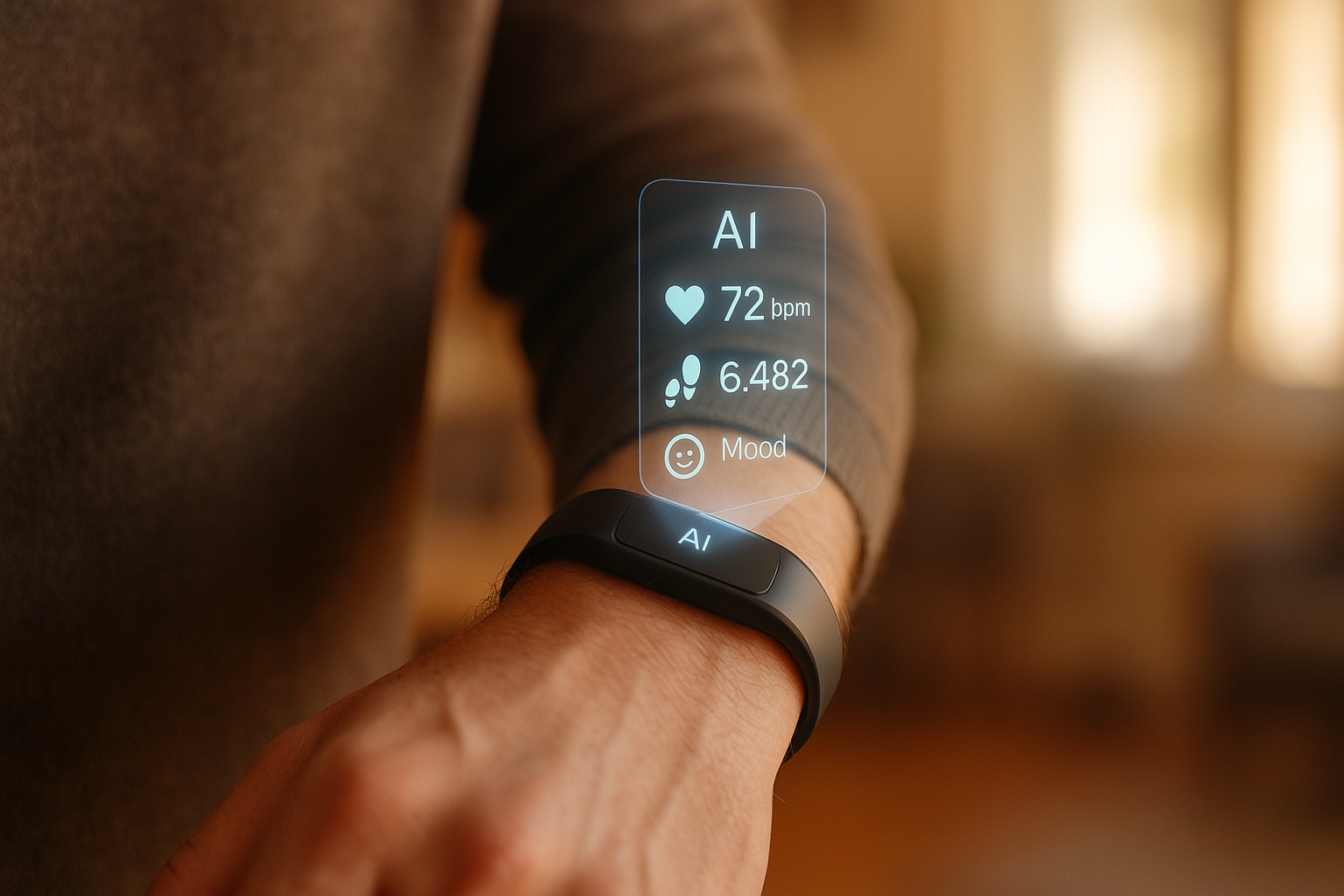
Telehealth is evolving rapidly, driven by AI and wearable technology. Here's what you need to know:

  • AI and Wearables Enable Continuous Care: Instead of relying on isolated clinic visits, wearables collect real-time health data - like heart rate, sleep patterns, and glucose levels - while AI analyzes trends to detect issues early.

  • Proactive vs. Reactive Healthcare: AI tools flag changes in your health before symptoms appear, enabling preventive care and reducing hospital visits.

  • Improved Outcomes and Cost Savings: U.S. programs have seen up to 63% fewer hospital readmissions, $42 billion in annual savings, and reduced travel burdens for rural patients.

  • Personalized Guidance: Apps like Healify turn wearable data into tailored health plans, offering actionable tips on sleep, stress, and activity.

  • Chronic Disease Management: From diabetes to heart failure, AI-powered wearables help monitor conditions, adjust treatments, and prevent emergencies.

  • Mental Health Support: Wearables track stress and sleep patterns, providing insights for therapists and real-time coaching for patients.

  • Future Advancements: Smarter sensors, longer battery life, and seamless EHR integration will make telehealth even more efficient and accessible.

AI and wearables are reshaping healthcare by making it more continuous, personalized, and preventive - helping patients and clinicians stay connected like never before.

Continuous Health Monitoring Webinar | AI, Wearables & Preventive Care

How AI Turns Wearable Data into Health Insights

The real magic of wearables lies in how AI processes their data. Every step you take, every heartbeat, and even your sleep patterns generate raw data. But it’s AI that transforms these numbers into meaningful insights by identifying patterns, establishing personal baselines, and flagging unusual changes. This process bridges the gap between raw data and actionable health insights.

What Wearables Track and How They Share Data

Today’s wearables are like 24/7 health monitors, keeping tabs on a wide range of metrics. They measure heart rate and heart rate variability (HRV) to provide clues about cardiovascular health and stress levels. They track your activity - steps, movement intensity, and how long you’ve been sitting. Sleep patterns are another key focus, with data on duration, sleep stages (light, deep, REM), and interruptions. Some devices go even further, monitoring respiratory rate, skin temperature, oxygen saturation (SpO₂), blood pressure (via cuffless or connected devices), and for those managing diabetes, continuous glucose levels [3][4].

For example, tracking blood pressure at home over several days can uncover trends that a single clinic visit might miss - offering a more complete picture of your health.

Most consumer wearables use Bluetooth Low Energy (BLE) to send raw data to your smartphone, where it’s processed initially. Medical-grade devices, on the other hand, often use embedded cellular modems to transmit data directly. Once collected, standards like FHIR (Fast Healthcare Interoperability Resources) and HL7 ensure that selected data can be integrated into electronic health records or telehealth platforms. Apps like Healify combine this wearable data with lab results and user inputs to run AI models that generate real-time, personalized recommendations. This constant stream of information fuels AI’s ability to deliver insights tailored to your unique health profile.

How AI Transforms Data into Personalized Health Guidance

Raw data by itself doesn’t mean much - it’s AI that gives it context and meaning. This involves multiple layers of analysis using advanced machine learning techniques.

The foundation lies in signal processing and pattern recognition. Traditional models like logistic regression, random forests, and gradient boosting analyze health trends - such as heart rate and glucose levels - to predict potential risks like hospital visits or blood sugar spikes [4]. More complex tasks, like identifying arrhythmias or tracking sleep stage transitions, rely on time-series and deep learning models [5].

Personalization is where AI really shines. By learning your individual baselines - like resting heart rate, HRV, and sleep efficiency - AI can detect anomalies. For instance, a sustained rise in your resting heart rate or a dip in HRV could indicate stress, overtraining, or even an infection [4].

AI doesn’t just stop at wearable data. It integrates your medical history, medications, lab results, and lifestyle factors (like diet, stress, and routines) to provide recommendations that are precise and relevant [3][4][5]. Instead of generic advice, AI can suggest sleep adjustments based on your patterns or tailor exercise recommendations if a medication affects your heart rate. This shift from reactive to predictive care helps you make better choices before issues arise.

In telehealth settings across the U.S., AI even adapts general guidelines to fit your life. For example, the standard recommendation of 150 minutes of weekly walking might turn into a custom daily step goal, with suggestions for when to rest or ramp up activity based on your personal data and doctor’s input [5]. Healify’s AI coach, Anna, takes sleep data and turns it into actionable tips - like encouraging a post-meal walk if poor sleep is affecting your blood pressure.

AI also enables near real-time risk assessment by analyzing fresh data every few minutes or hours [3][4]. If critical thresholds are crossed - like rapid weight gain paired with a rising resting heart rate in a heart failure patient - AI triggers alerts. These alerts, classified by urgency, are routed to telehealth dashboards, secure messaging systems, or automated outreach [4]. This allows clinicians to focus on urgent cases while guiding others through AI-driven self-management. For instance, the system might suggest drinking more water if hydration is low, eating protein after a workout for recovery, or taking a short walk if activity levels are lagging. Even small nudges, like a snack suggestion (think almonds or dark chocolate), can be tailored to your nutritional needs.

How AI-Powered Wearables Are Used in Telehealth

AI-powered wearables have evolved from simple fitness trackers into essential tools in telehealth. These devices now play a key role in monitoring patients, enabling early interventions, and improving outcomes for those managing chronic illnesses, mental health concerns, and post-acute recovery at home.

Managing Chronic Diseases with Remote Monitoring

For millions of people living with conditions like heart failure, hypertension, diabetes, and COPD, AI-integrated wearables have transformed how remote patient monitoring (RPM) is used in healthcare. These devices collect vital data - such as heart rate, blood pressure, oxygen levels, respiratory rate, weight, and activity - and transmit it for analysis, enabling early detection of potential health issues.

Take heart failure management, for example. Wearables and connected scales track weight, heart rate, and activity levels. AI systems analyze trends like sudden weight gain (a possible sign of fluid retention), increased resting heart rate, or reduced activity. When concerning patterns appear, alerts are sent to healthcare providers, prompting them to contact the patient for medication adjustments or a virtual visit - often preventing the need for emergency care. Hospitals using these RPM systems have reported fewer readmissions and emergency visits, particularly in value-based care models where preventing complications is a priority.

Hypertension management benefits similarly. Wearable blood pressure monitors provide multiple daily readings, offering a far clearer picture than isolated clinic measurements. AI can detect conditions like masked hypertension (normal readings in the clinic but elevated at home) or white-coat hypertension (high readings in the clinic but normal elsewhere), both of which carry significant cardiovascular risks. Telehealth teams can then adjust medications more precisely without requiring frequent in-person visits.

For diabetes, continuous glucose monitors (CGMs) and activity trackers stream data that AI uses to identify patterns in blood sugar fluctuations, nocturnal hypoglycemia, and the effects of meals or exercise. AI health coaches use this information to offer real-time recommendations for insulin, nutrition, and activity adjustments.

Patients with COPD and asthma also benefit from wearables that monitor respiratory rate, oxygen saturation, and even inhaler usage. AI systems flag early signs of trouble - like a drop in oxygen levels or increased inhaler use - allowing telehealth teams to act before a severe episode occurs.

Even consumer-grade devices like the Apple Watch and KardiaMobile have shown the ability to detect atrial fibrillation with high accuracy [6], enabling quicker diagnoses and reducing stroke risk.

For these programs to succeed, clear alert thresholds and escalation protocols are critical. AI systems generate alerts based on thresholds, trends, and behavioral changes, prompting care teams to act quickly - whether through secure messages, same-day virtual visits, or in-person care. This proactive approach shifts the focus from treating symptoms to preventing them, improving overall care.

Building on their use in chronic disease management, AI-powered wearables are also proving valuable in mental health care.

Tracking Sleep and Stress for Mental Health

Mental health care often relies on patient self-reports, which can be incomplete or inaccurate. AI-enabled wearables address this issue by providing objective data on sleep quality, stress levels, and other physiological markers linked to mental well-being.

These devices measure sleep stages, duration, and efficiency using data from accelerometers, heart rate variability (HRV), and sometimes skin temperature. They help identify patterns like insomnia or disrupted circadian rhythms and track sleep trends over time. For stress monitoring, AI analyzes HRV, resting heart rate, skin conductance, and activity data to infer stress levels, detect prolonged stress responses, and identify triggers.

In telehealth, this data is shared with therapists, psychiatrists, and health coaches through dashboards or reports. Clinicians can then use this objective information to tailor treatments. For example, instead of relying on a patient's memory of their sleep patterns, a therapist can review actual data - like an average of 5.2 hours of sleep per night with frequent awakenings - and adjust treatment strategies accordingly.

AI health coaching apps like Healify demonstrate how wearable data can provide ongoing support. Healify’s AI coach, Anna, processes wearable and lifestyle data to offer 24/7 guidance on stress management and sleep improvement. For instance, if a user asks, “How can I sleep better tonight?” Anna provides actionable tips based on their unique data, such as addressing low blood oxygen levels or suggesting relaxation techniques. Similarly, Anna monitors stress markers like cortisol levels and offers immediate recommendations - like taking a short walk or eating a stress-reducing snack.

These AI systems also deliver personalized nudges, guided exercises (like breathing or mindfulness), and sleep hygiene suggestions (e.g., consistent bedtimes or reducing caffeine). By showing users how lifestyle changes - like avoiding alcohol or going to bed earlier - improve their metrics, these tools encourage healthier habits.

By combining expert telehealth guidance with AI-driven daily support, wearables make mental health care more personalized and proactive.

These benefits also extend to post-acute care, where wearables support recovery at home.

Supporting Recovery with Hospital-at-Home Programs

AI-powered wearables are also making waves in hospital-at-home and post-acute recovery programs. These models allow patients to recover from surgeries or transition from inpatient care to their homes while still receiving hospital-grade monitoring.

In these setups, wearables continuously track vital signs like heart rate, respiratory rate, oxygen saturation, temperature, and mobility. Data is streamed to telehealth centers, where AI systems analyze trends. For example, a combination of declining oxygen levels, increased respiratory rate, and irregular heart rhythms might signal sepsis or respiratory issues. Early detection allows for timely interventions, such as virtual assessments or medication adjustments.

Post-surgery programs also rely on wearables to monitor recovery progress. Changes in sleep or activity levels, for instance, can indicate pain or complications. A rising resting heart rate combined with reduced mobility might suggest an infection or other issue, prompting intervention before a crisis occurs. This approach not only reduces hospital stays and readmissions but also improves patient comfort and satisfaction, aligning with health system goals in value-based care models.

AI Health Coaching: Connecting Wearables to Telehealth

Remote monitoring programs highlight the clinical potential of wearable data, but many patients struggle to turn those numbers - like heart rate variability, sleep stages, step counts, and oxygen levels - into actionable steps. This is where AI health coaching apps come in, bridging the gap by turning raw data into personalized, real-time guidance that fits seamlessly between medical appointments and everyday life.

These apps pull data from wearables and medical devices, analyze trends, and deliver instant, tailored recommendations. Instead of waiting weeks for a follow-up appointment, patients can receive immediate feedback after a poor night’s sleep, reduced activity, or a missed dose of medication.

This continuous flow of data doesn’t just benefit patients - it also equips clinicians with actionable insights. By viewing long-term trends, healthcare providers can make timely adjustments to treatments or offer lifestyle advice. This creates a feedback loop: wearable data feeds AI analysis, the AI provides patient guidance, and clinicians receive structured summaries. It’s a shift from sporadic telehealth sessions to a proactive, always-on approach to care.

One standout example is Healify, an app that integrates data from wearables, biometrics, bloodwork, and lifestyle habits. Using this information, its AI-powered coach, Anna, creates daily action plans tailored to each user. Anna offers guidance on stress management, sleep, activity, and more, all based on individual patterns.

Key Features of AI Health Coaching Apps

For AI health coaching apps to truly enhance telehealth programs in the U.S., they need to combine real-time data processing, smart analysis, and smooth integration with clinical systems. Here are the core features:

  • Real-time data monitoring: The app gathers metrics like vital signs, activity levels, sleep patterns, and stress indicators directly from wearables and remote monitoring devices. Clean dashboards make it easy to interpret trends.

  • Personalized recommendations: Instead of generic advice, the AI adjusts its guidance based on individual baselines. For example, instead of suggesting the standard 10,000 steps, it tailors activity goals to fit a user’s typical routine.

  • Health score tracking: By consolidating multiple metrics into a single score, users and clinicians can quickly assess overall progress or spot areas of concern.

  • Two-way communication: Secure messaging and symptom check-ins allow critical updates to flow directly into telehealth systems.

  • Integration with clinical platforms:HIPAA-compliant APIs ensure that summaries, alerts, and adherence data integrate seamlessly with electronic health records (EHRs) and virtual care platforms.

  • Behavioral nudges: Timely reminders encourage users to take medications, move, relax, or practice breathing exercises, helping them maintain healthy habits between doctor visits.

As Sarah L., a founder, shared: "Finally, my health data makes sense. I know exactly what to do to feel better."

These features are the foundation of AI coaching tools that keep patients engaged and informed.

How AI Coaches Improve Engagement and Results

Traditional telehealth often feels episodic, with care limited to scheduled appointments. AI health coaches, however, offer 24/7 support, responding instantly to a patient’s biometrics and behavior. This constant availability addresses a common challenge in virtual care: keeping patients engaged and adhering to their health plans between visits.

For example, rather than hesitating to ask a doctor about feeling unusually tired, a patient can consult the AI coach. The app might respond with insights drawn from recent sleep, activity, and stress data, helping the patient connect the dots between their habits and how they feel. This real-time feedback reinforces healthy choices and builds understanding.

Gamification also plays a role in maintaining engagement. Features like health score tracking or streaks make progress visible. When users see improvements in areas like sleep duration or activity levels, these small wins provide motivation to stick with their goals.

The precision of AI feedback makes it particularly effective. Instead of vague advice like "exercise more", the app might suggest, "Take a 15-minute walk after lunch to boost your afternoon energy."

Taylor, a personal trainer, noted: "As a personal trainer, I struggled to find tools for my clients’ nutrition. Healify’s meal plan and recipe generator calculates macros and offers easy recipes, helping my clients achieve their fitness goals faster."

AI coaches also excel at spotting concerning trends, such as a rising resting heart rate, declining sleep quality, or missed medications. They can flag these issues for early intervention, prompting users to check in with their telehealth provider or automatically alerting the care team. This proactive approach ensures timely action, reducing the risk of complications. In fact, a survey found that 62% of patients are comfortable using AI health assistants for basic care questions, signaling growing trust in these tools alongside traditional telehealth.

For U.S. health systems shifting toward value-based care, this model reduces administrative burdens and supports early interventions, potentially lowering emergency room visits and hospital readmissions. The result is a care experience that feels less fragmented and more like an ongoing partnership. Patients get timely guidance, while clinicians gain access to detailed, long-term data that enables more personalized, proactive care. Together, this integration creates a more connected and effective approach to health management.

What's Next for AI and Wearables in Telehealth

In the near future, advancements in wearables and AI are set to transform remote healthcare by improving accuracy, accessibility, and scalability. Key areas of focus include smarter sensor technology, seamless integration with clinical systems, and evolving regulations and reimbursement policies. These changes will pave the way for more efficient and patient-friendly telehealth solutions.

New Developments in Wearable Sensors and Design

Wearables today can track basics like steps, heart rate, and sleep, but the next generation will push boundaries. Over the next few years, low-power sensor designs and energy-efficient chipsets will extend battery life from days to weeks. Some devices may even harness energy from body heat or movement, reducing the need for frequent charging - one of the primary reasons people stop using wearables. Continuous data collection is crucial for AI-driven telehealth systems to function effectively, making these advancements a game-changer [3].

Wearable designs are also evolving to become smaller and more comfortable. Instead of bulky wristbands, we’ll see skin-like patches, smart rings, and even clothing with embedded sensors. These options can be worn around the clock without discomfort, especially benefiting older adults and children who may resist traditional devices [1][3].

On the sensing front, wearables are moving beyond fitness tracking to offer clinical-grade measurements. Devices are now capable of continuous blood pressure monitoring, multi-lead ECG readings, advanced sleep analysis, stress indicators like heart rate variability, and even non-invasive glucose monitoring. Some prototypes are exploring metabolic markers to detect early signs of illness. This means telehealth providers could receive hospital-level data directly from a patient’s home. AI systems will filter this information, highlighting critical alerts for clinicians rather than overwhelming them with raw data [4][3].

For example, a study published in JAMA Cardiology revealed that AI-enabled wearable ECG monitoring identified 34% more atrial fibrillation cases than traditional methods, demonstrating how advanced sensors and AI can detect health issues earlier and integrate seamlessly into telehealth workflows [11][6]. Another study in Cell showed that AI applied to wearable data could detect infections up to 24 hours before symptoms appeared, enabling proactive intervention rather than waiting for patients to report feeling unwell [11].

These advancements are laying the groundwork for scalable remote monitoring programs. When devices are accurate, comfortable, and durable, both patients and clinicians gain confidence in using them as a substitute for many in-person visits.

Connecting Wearables with EHRs and Value-Based Care

While wearables generate a constant stream of data, their true potential lies in integrating this information into electronic health records (EHRs). The next phase of telehealth will focus on seamless data sharing through FHIR-based APIs, ensuring wearable data appears in patient charts as structured, actionable observations rather than cluttered uploads [4].

To make this data useful, health systems must condense it into meaningful insights. For example, instead of logging every heartbeat, systems can present weekly trends, AI-generated risk scores, and exception alerts. This structured approach not only supports clinical decision-making but also aligns with billing and documentation requirements [4][10].

Reimbursement is a critical piece of the puzzle. U.S. CPT codes for remote patient monitoring allow providers to bill for tasks like device setup, data review, and management, making large-scale remote monitoring programs financially viable [2][8]. For organizations operating under value-based care contracts, AI-powered wearables offer a way to reduce emergency visits, prevent readmissions, and improve chronic disease management - all of which contribute to shared savings and better quality scores. For example, programs targeting conditions like heart failure, diabetes, and COPD can lower costs while improving metrics like blood pressure control and A1c levels [4][3][8].

Wearable data can also help prioritize care. AI tools can analyze metrics such as resting heart rate and sleep patterns to identify high-risk patients, enabling targeted outreach. Consumer-facing tools like Healify can further engage patients by offering personalized goals and habit reminders, supporting better outcomes in preventive and chronic care management [4][10].

A longitudinal study in Nature Medicine found that participants receiving AI-driven health guidance based on wearable data reduced cardiovascular risk factors by 28% compared to standard care. This underscores the potential of data-driven telehealth to improve outcomes tied to value-based care [11].

Changes in Regulations and Payment for AI Telehealth

As wearable technology becomes more integrated into healthcare, regulatory and payment frameworks are evolving to keep pace.

Many advanced wearables, particularly those offering diagnostic or treatment recommendations, fall under the FDA's Software as a Medical Device (SaMD) guidelines. These devices must demonstrate safety, effectiveness, and proper labeling before widespread clinical use. Adaptive AI algorithms face additional scrutiny as the FDA works to refine its oversight of AI/ML-based medical devices [5][6].

Wearable data use must also comply with HIPAA and state privacy laws, ensuring secure transmission and proper agreements with technology vendors. Policymakers are developing governance standards for AI transparency, bias monitoring, and human oversight, ensuring predictive models used in telehealth are equitable and allow clinicians to override AI-generated recommendations when necessary [4][5][9].

Interoperability rules from agencies like the Office of the National Coordinator (ONC) are driving the adoption of open APIs, making it easier for wearable platforms and EHRs to share data securely. This will enhance the flow of information across telehealth systems [4].

On the payment side, Medicare and commercial insurers have expanded reimbursement for telehealth and remote patient monitoring, covering tasks like device setup and data review. This financial support is critical for scaling remote monitoring programs. Federal telehealth policies, such as allowing the home as an originating site, have also been extended, making it easier to pair virtual visits with continuous wearable monitoring [4][7][8].

Looking ahead, new payment models may emerge to accommodate AI-augmented care. For instance, Medicare could introduce billing codes that account for AI-driven monitoring, allowing health systems to integrate these technologies into value-based care bundles. Health systems should monitor policy developments around hospital-at-home programs and chronic care management, where wearable data and telehealth can be incorporated into capitated payments [2][10].

Meanwhile, 5G connectivity is opening new possibilities for wearable AI, enabling real-time streaming of biosignals and supporting more complex AI models. However, challenges like limited broadband access in rural areas, digital literacy gaps, and clinician skepticism about AI insights remain. Programs can address these barriers by offering device-loan kits with built-in connectivity, simplifying onboarding processes, and designing user-friendly interfaces. Training community health workers to assist patients with wearable setup and AI recommendations can also bridge gaps in accessibility [9][1][3].

Transparent communication about data collection, AI usage, and privacy protections - along with visible clinician oversight - can build trust and encourage long-term adoption. As these regulatory, technical, and clinical pieces come together, AI and wearables are poised to become integral to telehealth delivery, advancing personalized and continuous care in the U.S. healthcare system.

Conclusion

AI and wearable technology are transforming telehealth in the United States, moving it from occasional check-ins to a model of continuous and proactive care. With wearable devices collecting daily data - like heart rate, sleep patterns, activity levels, and blood pressure - clinicians and AI systems can now monitor patients more closely, enabling earlier interventions and reducing unnecessary hospital visits. This evolution has shifted telehealth into an integral part of everyday healthcare, rather than just a substitute for in-person appointments.

What makes this shift even more impactful is the level of personalization AI brings. Instead of relying on generalized population data, AI algorithms analyze patterns unique to each individual. Remote monitoring devices flag significant health changes, while AI-powered health coaching apps help patients stay engaged between visits. Take Healify, for example. By analyzing data from devices like the Apple Watch, along with biometrics and lab results, it translates complex health metrics into actionable, prioritized daily plans - keeping patients informed and connected to their care.

Research highlights the benefits of this approach, showing reductions in wait times, healthcare costs, and hospital readmissions[3]. As AI tools continue to advance, with capabilities like predictive analytics and automated triage, healthcare systems are poised to see even greater efficiency. Many physicians are hopeful that these technologies will also help ease their workloads by handling routine tasks like monitoring and documentation, potentially reducing burnout.

Looking ahead, AI-enabled remote monitoring is set to play an even bigger role in addressing key priorities for U.S. healthcare. In value-based care, continuous monitoring allows for more accurate risk assessments and timely interventions, improving outcomes while cutting costs. For access and equity, telehealth bridges gaps by reaching underserved and rural populations. And in hybrid care models, AI-enhanced wearables create a shared data foundation, ensuring clinicians have access to consistent, longitudinal patient data - whether the visit happens in person or online.

The future promises even more advancements, from improved sensor technology and more user-friendly device designs to better integration with electronic health records and clearer reimbursement policies. For patients, this means a seamless experience: waking up to a smartwatch summary of their sleep, receiving personalized tips throughout the day based on real-time data, and having potential health concerns flagged before they escalate - all while staying connected to their care teams through virtual visits and remote programs.

The combination of AI, wearables, and telehealth is reshaping healthcare into a model that’s continuous, personalized, and centered on the patient. It’s about meeting people where they are, delivering insights tailored to their unique needs, and ensuring care is always within reach.

FAQs

How does AI combined with wearable technology enhance chronic disease management?

AI teams up with wearable devices to process data like heart rate, activity levels, sleep patterns, and other health-related metrics. This allows it to provide users with tailored insights that make managing chronic conditions easier and more effective.

By simplifying complex health information into practical recommendations, AI helps users monitor their progress, spot potential concerns early, and make lifestyle adjustments that are customized to their specific needs.

How will advancements in wearable technology and AI shape the future of telehealth?

Wearable technology paired with AI is reshaping telehealth by offering more personalized and proactive care solutions. The future holds exciting possibilities, with wearables expected to feature advanced sensors capable of monitoring vital signs such as heart rate, blood oxygen levels, and stress indicators with heightened precision. These devices will work hand-in-hand with AI systems to deliver real-time health insights and practical recommendations.

Take Healify, for instance - a platform that already merges wearable data with AI to provide tailored health advice. As these technologies advance, users can look forward to tools that make managing chronic conditions, enhancing mental health, and improving overall wellness easier - all without leaving the comfort of home.

How does Healify use AI to provide personalized health recommendations?

Healify taps into cutting-edge AI to process a wide range of health data - everything from wearables and biometrics to bloodwork and daily habits. With this comprehensive analysis, the app offers personalized recommendations aimed at boosting both physical and mental well-being.

At the heart of Healify is Anna, a 24/7 AI health coach. Anna provides real-time advice tailored to your lifestyle, helping you take practical steps to improve things like stress levels, sleep patterns, and overall health. This individualized support ensures that every user gets guidance that aligns with their specific goals and needs.

Related Blog Posts

Telehealth is evolving rapidly, driven by AI and wearable technology. Here's what you need to know:

  • AI and Wearables Enable Continuous Care: Instead of relying on isolated clinic visits, wearables collect real-time health data - like heart rate, sleep patterns, and glucose levels - while AI analyzes trends to detect issues early.

  • Proactive vs. Reactive Healthcare: AI tools flag changes in your health before symptoms appear, enabling preventive care and reducing hospital visits.

  • Improved Outcomes and Cost Savings: U.S. programs have seen up to 63% fewer hospital readmissions, $42 billion in annual savings, and reduced travel burdens for rural patients.

  • Personalized Guidance: Apps like Healify turn wearable data into tailored health plans, offering actionable tips on sleep, stress, and activity.

  • Chronic Disease Management: From diabetes to heart failure, AI-powered wearables help monitor conditions, adjust treatments, and prevent emergencies.

  • Mental Health Support: Wearables track stress and sleep patterns, providing insights for therapists and real-time coaching for patients.

  • Future Advancements: Smarter sensors, longer battery life, and seamless EHR integration will make telehealth even more efficient and accessible.

AI and wearables are reshaping healthcare by making it more continuous, personalized, and preventive - helping patients and clinicians stay connected like never before.

Continuous Health Monitoring Webinar | AI, Wearables & Preventive Care

How AI Turns Wearable Data into Health Insights

The real magic of wearables lies in how AI processes their data. Every step you take, every heartbeat, and even your sleep patterns generate raw data. But it’s AI that transforms these numbers into meaningful insights by identifying patterns, establishing personal baselines, and flagging unusual changes. This process bridges the gap between raw data and actionable health insights.

What Wearables Track and How They Share Data

Today’s wearables are like 24/7 health monitors, keeping tabs on a wide range of metrics. They measure heart rate and heart rate variability (HRV) to provide clues about cardiovascular health and stress levels. They track your activity - steps, movement intensity, and how long you’ve been sitting. Sleep patterns are another key focus, with data on duration, sleep stages (light, deep, REM), and interruptions. Some devices go even further, monitoring respiratory rate, skin temperature, oxygen saturation (SpO₂), blood pressure (via cuffless or connected devices), and for those managing diabetes, continuous glucose levels [3][4].

For example, tracking blood pressure at home over several days can uncover trends that a single clinic visit might miss - offering a more complete picture of your health.

Most consumer wearables use Bluetooth Low Energy (BLE) to send raw data to your smartphone, where it’s processed initially. Medical-grade devices, on the other hand, often use embedded cellular modems to transmit data directly. Once collected, standards like FHIR (Fast Healthcare Interoperability Resources) and HL7 ensure that selected data can be integrated into electronic health records or telehealth platforms. Apps like Healify combine this wearable data with lab results and user inputs to run AI models that generate real-time, personalized recommendations. This constant stream of information fuels AI’s ability to deliver insights tailored to your unique health profile.

How AI Transforms Data into Personalized Health Guidance

Raw data by itself doesn’t mean much - it’s AI that gives it context and meaning. This involves multiple layers of analysis using advanced machine learning techniques.

The foundation lies in signal processing and pattern recognition. Traditional models like logistic regression, random forests, and gradient boosting analyze health trends - such as heart rate and glucose levels - to predict potential risks like hospital visits or blood sugar spikes [4]. More complex tasks, like identifying arrhythmias or tracking sleep stage transitions, rely on time-series and deep learning models [5].

Personalization is where AI really shines. By learning your individual baselines - like resting heart rate, HRV, and sleep efficiency - AI can detect anomalies. For instance, a sustained rise in your resting heart rate or a dip in HRV could indicate stress, overtraining, or even an infection [4].

AI doesn’t just stop at wearable data. It integrates your medical history, medications, lab results, and lifestyle factors (like diet, stress, and routines) to provide recommendations that are precise and relevant [3][4][5]. Instead of generic advice, AI can suggest sleep adjustments based on your patterns or tailor exercise recommendations if a medication affects your heart rate. This shift from reactive to predictive care helps you make better choices before issues arise.

In telehealth settings across the U.S., AI even adapts general guidelines to fit your life. For example, the standard recommendation of 150 minutes of weekly walking might turn into a custom daily step goal, with suggestions for when to rest or ramp up activity based on your personal data and doctor’s input [5]. Healify’s AI coach, Anna, takes sleep data and turns it into actionable tips - like encouraging a post-meal walk if poor sleep is affecting your blood pressure.

AI also enables near real-time risk assessment by analyzing fresh data every few minutes or hours [3][4]. If critical thresholds are crossed - like rapid weight gain paired with a rising resting heart rate in a heart failure patient - AI triggers alerts. These alerts, classified by urgency, are routed to telehealth dashboards, secure messaging systems, or automated outreach [4]. This allows clinicians to focus on urgent cases while guiding others through AI-driven self-management. For instance, the system might suggest drinking more water if hydration is low, eating protein after a workout for recovery, or taking a short walk if activity levels are lagging. Even small nudges, like a snack suggestion (think almonds or dark chocolate), can be tailored to your nutritional needs.

How AI-Powered Wearables Are Used in Telehealth

AI-powered wearables have evolved from simple fitness trackers into essential tools in telehealth. These devices now play a key role in monitoring patients, enabling early interventions, and improving outcomes for those managing chronic illnesses, mental health concerns, and post-acute recovery at home.

Managing Chronic Diseases with Remote Monitoring

For millions of people living with conditions like heart failure, hypertension, diabetes, and COPD, AI-integrated wearables have transformed how remote patient monitoring (RPM) is used in healthcare. These devices collect vital data - such as heart rate, blood pressure, oxygen levels, respiratory rate, weight, and activity - and transmit it for analysis, enabling early detection of potential health issues.

Take heart failure management, for example. Wearables and connected scales track weight, heart rate, and activity levels. AI systems analyze trends like sudden weight gain (a possible sign of fluid retention), increased resting heart rate, or reduced activity. When concerning patterns appear, alerts are sent to healthcare providers, prompting them to contact the patient for medication adjustments or a virtual visit - often preventing the need for emergency care. Hospitals using these RPM systems have reported fewer readmissions and emergency visits, particularly in value-based care models where preventing complications is a priority.

Hypertension management benefits similarly. Wearable blood pressure monitors provide multiple daily readings, offering a far clearer picture than isolated clinic measurements. AI can detect conditions like masked hypertension (normal readings in the clinic but elevated at home) or white-coat hypertension (high readings in the clinic but normal elsewhere), both of which carry significant cardiovascular risks. Telehealth teams can then adjust medications more precisely without requiring frequent in-person visits.

For diabetes, continuous glucose monitors (CGMs) and activity trackers stream data that AI uses to identify patterns in blood sugar fluctuations, nocturnal hypoglycemia, and the effects of meals or exercise. AI health coaches use this information to offer real-time recommendations for insulin, nutrition, and activity adjustments.

Patients with COPD and asthma also benefit from wearables that monitor respiratory rate, oxygen saturation, and even inhaler usage. AI systems flag early signs of trouble - like a drop in oxygen levels or increased inhaler use - allowing telehealth teams to act before a severe episode occurs.

Even consumer-grade devices like the Apple Watch and KardiaMobile have shown the ability to detect atrial fibrillation with high accuracy [6], enabling quicker diagnoses and reducing stroke risk.

For these programs to succeed, clear alert thresholds and escalation protocols are critical. AI systems generate alerts based on thresholds, trends, and behavioral changes, prompting care teams to act quickly - whether through secure messages, same-day virtual visits, or in-person care. This proactive approach shifts the focus from treating symptoms to preventing them, improving overall care.

Building on their use in chronic disease management, AI-powered wearables are also proving valuable in mental health care.

Tracking Sleep and Stress for Mental Health

Mental health care often relies on patient self-reports, which can be incomplete or inaccurate. AI-enabled wearables address this issue by providing objective data on sleep quality, stress levels, and other physiological markers linked to mental well-being.

These devices measure sleep stages, duration, and efficiency using data from accelerometers, heart rate variability (HRV), and sometimes skin temperature. They help identify patterns like insomnia or disrupted circadian rhythms and track sleep trends over time. For stress monitoring, AI analyzes HRV, resting heart rate, skin conductance, and activity data to infer stress levels, detect prolonged stress responses, and identify triggers.

In telehealth, this data is shared with therapists, psychiatrists, and health coaches through dashboards or reports. Clinicians can then use this objective information to tailor treatments. For example, instead of relying on a patient's memory of their sleep patterns, a therapist can review actual data - like an average of 5.2 hours of sleep per night with frequent awakenings - and adjust treatment strategies accordingly.

AI health coaching apps like Healify demonstrate how wearable data can provide ongoing support. Healify’s AI coach, Anna, processes wearable and lifestyle data to offer 24/7 guidance on stress management and sleep improvement. For instance, if a user asks, “How can I sleep better tonight?” Anna provides actionable tips based on their unique data, such as addressing low blood oxygen levels or suggesting relaxation techniques. Similarly, Anna monitors stress markers like cortisol levels and offers immediate recommendations - like taking a short walk or eating a stress-reducing snack.

These AI systems also deliver personalized nudges, guided exercises (like breathing or mindfulness), and sleep hygiene suggestions (e.g., consistent bedtimes or reducing caffeine). By showing users how lifestyle changes - like avoiding alcohol or going to bed earlier - improve their metrics, these tools encourage healthier habits.

By combining expert telehealth guidance with AI-driven daily support, wearables make mental health care more personalized and proactive.

These benefits also extend to post-acute care, where wearables support recovery at home.

Supporting Recovery with Hospital-at-Home Programs

AI-powered wearables are also making waves in hospital-at-home and post-acute recovery programs. These models allow patients to recover from surgeries or transition from inpatient care to their homes while still receiving hospital-grade monitoring.

In these setups, wearables continuously track vital signs like heart rate, respiratory rate, oxygen saturation, temperature, and mobility. Data is streamed to telehealth centers, where AI systems analyze trends. For example, a combination of declining oxygen levels, increased respiratory rate, and irregular heart rhythms might signal sepsis or respiratory issues. Early detection allows for timely interventions, such as virtual assessments or medication adjustments.

Post-surgery programs also rely on wearables to monitor recovery progress. Changes in sleep or activity levels, for instance, can indicate pain or complications. A rising resting heart rate combined with reduced mobility might suggest an infection or other issue, prompting intervention before a crisis occurs. This approach not only reduces hospital stays and readmissions but also improves patient comfort and satisfaction, aligning with health system goals in value-based care models.

AI Health Coaching: Connecting Wearables to Telehealth

Remote monitoring programs highlight the clinical potential of wearable data, but many patients struggle to turn those numbers - like heart rate variability, sleep stages, step counts, and oxygen levels - into actionable steps. This is where AI health coaching apps come in, bridging the gap by turning raw data into personalized, real-time guidance that fits seamlessly between medical appointments and everyday life.

These apps pull data from wearables and medical devices, analyze trends, and deliver instant, tailored recommendations. Instead of waiting weeks for a follow-up appointment, patients can receive immediate feedback after a poor night’s sleep, reduced activity, or a missed dose of medication.

This continuous flow of data doesn’t just benefit patients - it also equips clinicians with actionable insights. By viewing long-term trends, healthcare providers can make timely adjustments to treatments or offer lifestyle advice. This creates a feedback loop: wearable data feeds AI analysis, the AI provides patient guidance, and clinicians receive structured summaries. It’s a shift from sporadic telehealth sessions to a proactive, always-on approach to care.

One standout example is Healify, an app that integrates data from wearables, biometrics, bloodwork, and lifestyle habits. Using this information, its AI-powered coach, Anna, creates daily action plans tailored to each user. Anna offers guidance on stress management, sleep, activity, and more, all based on individual patterns.

Key Features of AI Health Coaching Apps

For AI health coaching apps to truly enhance telehealth programs in the U.S., they need to combine real-time data processing, smart analysis, and smooth integration with clinical systems. Here are the core features:

  • Real-time data monitoring: The app gathers metrics like vital signs, activity levels, sleep patterns, and stress indicators directly from wearables and remote monitoring devices. Clean dashboards make it easy to interpret trends.

  • Personalized recommendations: Instead of generic advice, the AI adjusts its guidance based on individual baselines. For example, instead of suggesting the standard 10,000 steps, it tailors activity goals to fit a user’s typical routine.

  • Health score tracking: By consolidating multiple metrics into a single score, users and clinicians can quickly assess overall progress or spot areas of concern.

  • Two-way communication: Secure messaging and symptom check-ins allow critical updates to flow directly into telehealth systems.

  • Integration with clinical platforms:HIPAA-compliant APIs ensure that summaries, alerts, and adherence data integrate seamlessly with electronic health records (EHRs) and virtual care platforms.

  • Behavioral nudges: Timely reminders encourage users to take medications, move, relax, or practice breathing exercises, helping them maintain healthy habits between doctor visits.

As Sarah L., a founder, shared: "Finally, my health data makes sense. I know exactly what to do to feel better."

These features are the foundation of AI coaching tools that keep patients engaged and informed.

How AI Coaches Improve Engagement and Results

Traditional telehealth often feels episodic, with care limited to scheduled appointments. AI health coaches, however, offer 24/7 support, responding instantly to a patient’s biometrics and behavior. This constant availability addresses a common challenge in virtual care: keeping patients engaged and adhering to their health plans between visits.

For example, rather than hesitating to ask a doctor about feeling unusually tired, a patient can consult the AI coach. The app might respond with insights drawn from recent sleep, activity, and stress data, helping the patient connect the dots between their habits and how they feel. This real-time feedback reinforces healthy choices and builds understanding.

Gamification also plays a role in maintaining engagement. Features like health score tracking or streaks make progress visible. When users see improvements in areas like sleep duration or activity levels, these small wins provide motivation to stick with their goals.

The precision of AI feedback makes it particularly effective. Instead of vague advice like "exercise more", the app might suggest, "Take a 15-minute walk after lunch to boost your afternoon energy."

Taylor, a personal trainer, noted: "As a personal trainer, I struggled to find tools for my clients’ nutrition. Healify’s meal plan and recipe generator calculates macros and offers easy recipes, helping my clients achieve their fitness goals faster."

AI coaches also excel at spotting concerning trends, such as a rising resting heart rate, declining sleep quality, or missed medications. They can flag these issues for early intervention, prompting users to check in with their telehealth provider or automatically alerting the care team. This proactive approach ensures timely action, reducing the risk of complications. In fact, a survey found that 62% of patients are comfortable using AI health assistants for basic care questions, signaling growing trust in these tools alongside traditional telehealth.

For U.S. health systems shifting toward value-based care, this model reduces administrative burdens and supports early interventions, potentially lowering emergency room visits and hospital readmissions. The result is a care experience that feels less fragmented and more like an ongoing partnership. Patients get timely guidance, while clinicians gain access to detailed, long-term data that enables more personalized, proactive care. Together, this integration creates a more connected and effective approach to health management.

What's Next for AI and Wearables in Telehealth

In the near future, advancements in wearables and AI are set to transform remote healthcare by improving accuracy, accessibility, and scalability. Key areas of focus include smarter sensor technology, seamless integration with clinical systems, and evolving regulations and reimbursement policies. These changes will pave the way for more efficient and patient-friendly telehealth solutions.

New Developments in Wearable Sensors and Design

Wearables today can track basics like steps, heart rate, and sleep, but the next generation will push boundaries. Over the next few years, low-power sensor designs and energy-efficient chipsets will extend battery life from days to weeks. Some devices may even harness energy from body heat or movement, reducing the need for frequent charging - one of the primary reasons people stop using wearables. Continuous data collection is crucial for AI-driven telehealth systems to function effectively, making these advancements a game-changer [3].

Wearable designs are also evolving to become smaller and more comfortable. Instead of bulky wristbands, we’ll see skin-like patches, smart rings, and even clothing with embedded sensors. These options can be worn around the clock without discomfort, especially benefiting older adults and children who may resist traditional devices [1][3].

On the sensing front, wearables are moving beyond fitness tracking to offer clinical-grade measurements. Devices are now capable of continuous blood pressure monitoring, multi-lead ECG readings, advanced sleep analysis, stress indicators like heart rate variability, and even non-invasive glucose monitoring. Some prototypes are exploring metabolic markers to detect early signs of illness. This means telehealth providers could receive hospital-level data directly from a patient’s home. AI systems will filter this information, highlighting critical alerts for clinicians rather than overwhelming them with raw data [4][3].

For example, a study published in JAMA Cardiology revealed that AI-enabled wearable ECG monitoring identified 34% more atrial fibrillation cases than traditional methods, demonstrating how advanced sensors and AI can detect health issues earlier and integrate seamlessly into telehealth workflows [11][6]. Another study in Cell showed that AI applied to wearable data could detect infections up to 24 hours before symptoms appeared, enabling proactive intervention rather than waiting for patients to report feeling unwell [11].

These advancements are laying the groundwork for scalable remote monitoring programs. When devices are accurate, comfortable, and durable, both patients and clinicians gain confidence in using them as a substitute for many in-person visits.

Connecting Wearables with EHRs and Value-Based Care

While wearables generate a constant stream of data, their true potential lies in integrating this information into electronic health records (EHRs). The next phase of telehealth will focus on seamless data sharing through FHIR-based APIs, ensuring wearable data appears in patient charts as structured, actionable observations rather than cluttered uploads [4].

To make this data useful, health systems must condense it into meaningful insights. For example, instead of logging every heartbeat, systems can present weekly trends, AI-generated risk scores, and exception alerts. This structured approach not only supports clinical decision-making but also aligns with billing and documentation requirements [4][10].

Reimbursement is a critical piece of the puzzle. U.S. CPT codes for remote patient monitoring allow providers to bill for tasks like device setup, data review, and management, making large-scale remote monitoring programs financially viable [2][8]. For organizations operating under value-based care contracts, AI-powered wearables offer a way to reduce emergency visits, prevent readmissions, and improve chronic disease management - all of which contribute to shared savings and better quality scores. For example, programs targeting conditions like heart failure, diabetes, and COPD can lower costs while improving metrics like blood pressure control and A1c levels [4][3][8].

Wearable data can also help prioritize care. AI tools can analyze metrics such as resting heart rate and sleep patterns to identify high-risk patients, enabling targeted outreach. Consumer-facing tools like Healify can further engage patients by offering personalized goals and habit reminders, supporting better outcomes in preventive and chronic care management [4][10].

A longitudinal study in Nature Medicine found that participants receiving AI-driven health guidance based on wearable data reduced cardiovascular risk factors by 28% compared to standard care. This underscores the potential of data-driven telehealth to improve outcomes tied to value-based care [11].

Changes in Regulations and Payment for AI Telehealth

As wearable technology becomes more integrated into healthcare, regulatory and payment frameworks are evolving to keep pace.

Many advanced wearables, particularly those offering diagnostic or treatment recommendations, fall under the FDA's Software as a Medical Device (SaMD) guidelines. These devices must demonstrate safety, effectiveness, and proper labeling before widespread clinical use. Adaptive AI algorithms face additional scrutiny as the FDA works to refine its oversight of AI/ML-based medical devices [5][6].

Wearable data use must also comply with HIPAA and state privacy laws, ensuring secure transmission and proper agreements with technology vendors. Policymakers are developing governance standards for AI transparency, bias monitoring, and human oversight, ensuring predictive models used in telehealth are equitable and allow clinicians to override AI-generated recommendations when necessary [4][5][9].

Interoperability rules from agencies like the Office of the National Coordinator (ONC) are driving the adoption of open APIs, making it easier for wearable platforms and EHRs to share data securely. This will enhance the flow of information across telehealth systems [4].

On the payment side, Medicare and commercial insurers have expanded reimbursement for telehealth and remote patient monitoring, covering tasks like device setup and data review. This financial support is critical for scaling remote monitoring programs. Federal telehealth policies, such as allowing the home as an originating site, have also been extended, making it easier to pair virtual visits with continuous wearable monitoring [4][7][8].

Looking ahead, new payment models may emerge to accommodate AI-augmented care. For instance, Medicare could introduce billing codes that account for AI-driven monitoring, allowing health systems to integrate these technologies into value-based care bundles. Health systems should monitor policy developments around hospital-at-home programs and chronic care management, where wearable data and telehealth can be incorporated into capitated payments [2][10].

Meanwhile, 5G connectivity is opening new possibilities for wearable AI, enabling real-time streaming of biosignals and supporting more complex AI models. However, challenges like limited broadband access in rural areas, digital literacy gaps, and clinician skepticism about AI insights remain. Programs can address these barriers by offering device-loan kits with built-in connectivity, simplifying onboarding processes, and designing user-friendly interfaces. Training community health workers to assist patients with wearable setup and AI recommendations can also bridge gaps in accessibility [9][1][3].

Transparent communication about data collection, AI usage, and privacy protections - along with visible clinician oversight - can build trust and encourage long-term adoption. As these regulatory, technical, and clinical pieces come together, AI and wearables are poised to become integral to telehealth delivery, advancing personalized and continuous care in the U.S. healthcare system.

Conclusion

AI and wearable technology are transforming telehealth in the United States, moving it from occasional check-ins to a model of continuous and proactive care. With wearable devices collecting daily data - like heart rate, sleep patterns, activity levels, and blood pressure - clinicians and AI systems can now monitor patients more closely, enabling earlier interventions and reducing unnecessary hospital visits. This evolution has shifted telehealth into an integral part of everyday healthcare, rather than just a substitute for in-person appointments.

What makes this shift even more impactful is the level of personalization AI brings. Instead of relying on generalized population data, AI algorithms analyze patterns unique to each individual. Remote monitoring devices flag significant health changes, while AI-powered health coaching apps help patients stay engaged between visits. Take Healify, for example. By analyzing data from devices like the Apple Watch, along with biometrics and lab results, it translates complex health metrics into actionable, prioritized daily plans - keeping patients informed and connected to their care.

Research highlights the benefits of this approach, showing reductions in wait times, healthcare costs, and hospital readmissions[3]. As AI tools continue to advance, with capabilities like predictive analytics and automated triage, healthcare systems are poised to see even greater efficiency. Many physicians are hopeful that these technologies will also help ease their workloads by handling routine tasks like monitoring and documentation, potentially reducing burnout.

Looking ahead, AI-enabled remote monitoring is set to play an even bigger role in addressing key priorities for U.S. healthcare. In value-based care, continuous monitoring allows for more accurate risk assessments and timely interventions, improving outcomes while cutting costs. For access and equity, telehealth bridges gaps by reaching underserved and rural populations. And in hybrid care models, AI-enhanced wearables create a shared data foundation, ensuring clinicians have access to consistent, longitudinal patient data - whether the visit happens in person or online.

The future promises even more advancements, from improved sensor technology and more user-friendly device designs to better integration with electronic health records and clearer reimbursement policies. For patients, this means a seamless experience: waking up to a smartwatch summary of their sleep, receiving personalized tips throughout the day based on real-time data, and having potential health concerns flagged before they escalate - all while staying connected to their care teams through virtual visits and remote programs.

The combination of AI, wearables, and telehealth is reshaping healthcare into a model that’s continuous, personalized, and centered on the patient. It’s about meeting people where they are, delivering insights tailored to their unique needs, and ensuring care is always within reach.

FAQs

How does AI combined with wearable technology enhance chronic disease management?

AI teams up with wearable devices to process data like heart rate, activity levels, sleep patterns, and other health-related metrics. This allows it to provide users with tailored insights that make managing chronic conditions easier and more effective.

By simplifying complex health information into practical recommendations, AI helps users monitor their progress, spot potential concerns early, and make lifestyle adjustments that are customized to their specific needs.

How will advancements in wearable technology and AI shape the future of telehealth?

Wearable technology paired with AI is reshaping telehealth by offering more personalized and proactive care solutions. The future holds exciting possibilities, with wearables expected to feature advanced sensors capable of monitoring vital signs such as heart rate, blood oxygen levels, and stress indicators with heightened precision. These devices will work hand-in-hand with AI systems to deliver real-time health insights and practical recommendations.

Take Healify, for instance - a platform that already merges wearable data with AI to provide tailored health advice. As these technologies advance, users can look forward to tools that make managing chronic conditions, enhancing mental health, and improving overall wellness easier - all without leaving the comfort of home.

How does Healify use AI to provide personalized health recommendations?

Healify taps into cutting-edge AI to process a wide range of health data - everything from wearables and biometrics to bloodwork and daily habits. With this comprehensive analysis, the app offers personalized recommendations aimed at boosting both physical and mental well-being.

At the heart of Healify is Anna, a 24/7 AI health coach. Anna provides real-time advice tailored to your lifestyle, helping you take practical steps to improve things like stress levels, sleep patterns, and overall health. This individualized support ensures that every user gets guidance that aligns with their specific goals and needs.

Related Blog Posts

Finally take control of your health

Finally take control of your health

Finally take control of your health

© 2025 Healify Limited

Terms

Cookies

Compliance

English
© 2025 Healify Limited

Terms

Cookies

Compliance

© 2025 Healify Limited

Terms

Cookies

Compliance