

AI is transforming how we understand immune function by analyzing epigenetic data. Three standout platforms - BondMCP, EpigenAI, and the ImmunoEpigenetics Analyzer - are leading this shift. Here's what they offer:
- BondMCP: Combines health data from wearables, lab tests, and fitness trackers into one system, offering tailored health recommendations and predictive insights for immune health.
- EpigenAI: Focuses on molecular-level immune optimization by analyzing epigenetic changes like DNA methylation and histone modifications, linking them to lifestyle and environmental factors.
- ImmunoEpigenetics Analyzer: Specializes in immune-specific epigenetic data, helping users track and predict immune responses, especially for autoimmune conditions.
Each platform addresses different needs, from individual health tracking to large-scale research, while integrating diverse data sources for precision insights. Below is a quick comparison of their features.
UCL AI in Medicine Manolis Kellis (February 3, 2021)
Quick Comparison
| Feature | BondMCP | EpigenAI | ImmunoEpigenetics Analyzer |
|---|---|---|---|
| Primary Focus | Unified health data | Molecular-level immune insights | Immune-specific epigenetic data |
| Data Sources | Wearables, lab tests, fitness data | Epigenetic and lifestyle data | Immune cell-specific markers |
| Personalization | Tailored recommendations | Customized epigenetic profiles | Immune epigenetic fingerprints |
| Predictive Modeling | Health trend forecasting | Evolution of epigenetic markers | Immune function predictions |
| Scalability | Individual to clinical organizations | Research and clinical applications | Individual and research institutions |
These tools are reshaping personalized health and research, offering precise ways to monitor and improve immune function.
1. BondMCP - Health Model Context Protocol
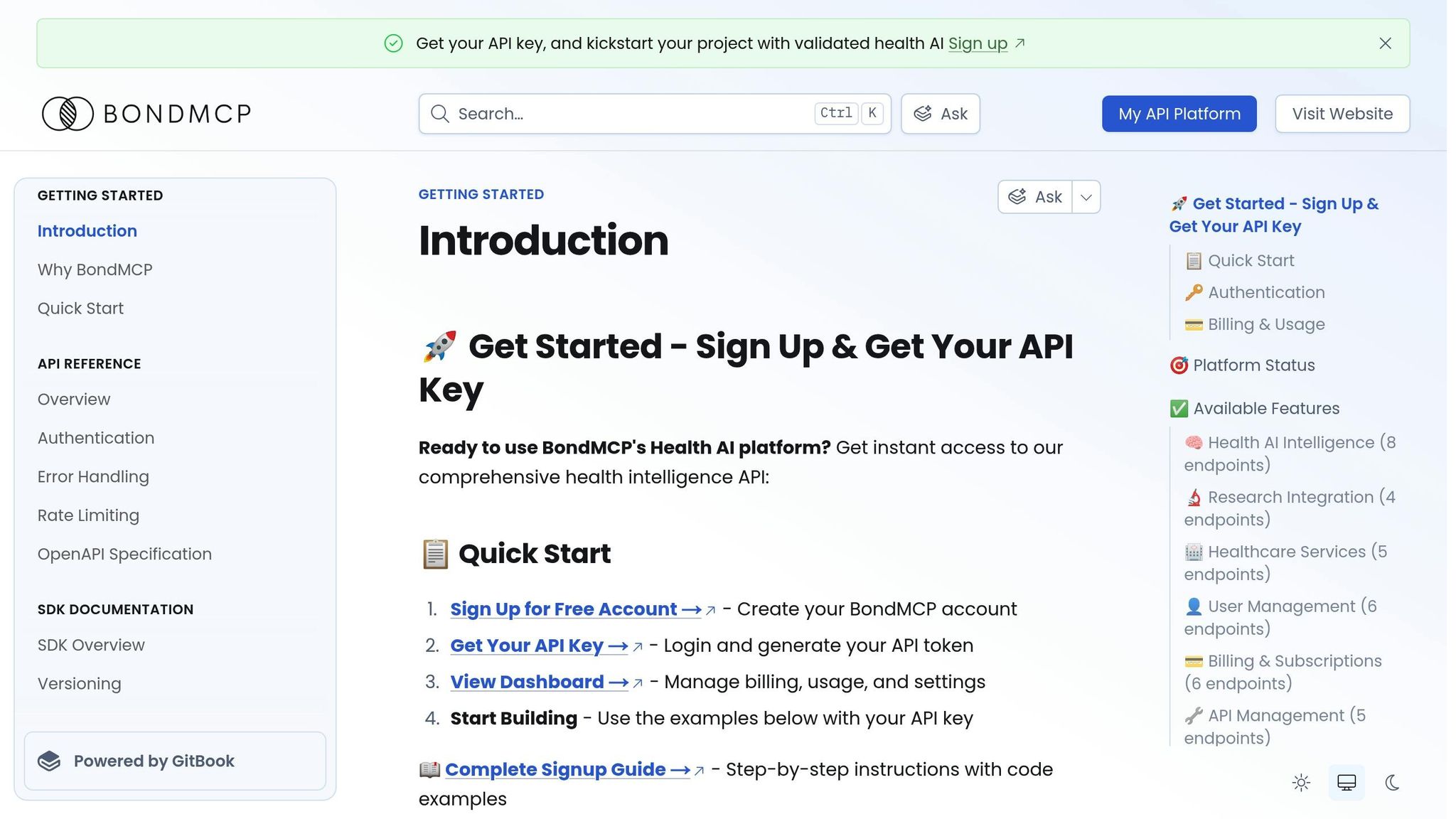
BondMCP brings together scattered health data into one streamlined system. Instead of relying on isolated tools and sources, it combines information from wearables, lab tests, supplements, fitness tracking, and sleep monitoring. This unified approach provides clarity and tailored recommendations, creating a strong base for deeper insights into overall health and immune function.
Data Integration
BondMCP combines a variety of health data into a single, cohesive framework. By connecting inputs like wearable devices, lab results, and fitness metrics, it solves the problem of fragmented tools and inconsistent advice. The platform’s sophisticated system ensures these diverse data points are harmonized, giving you a clear and complete picture of your wellness. This unified structure makes it easier to deliver personalized and actionable insights.
Personalization Capabilities
Using AI-powered agents, BondMCP delivers health recommendations tailored specifically to you. It analyzes your unique data - like sleep patterns, activity levels, and lab results - to create guidance that aligns with your goals. As your health data changes over time, the platform adapts its advice, ensuring that your wellness strategy stays relevant and effective.
Predictive Modeling
With advanced machine learning, BondMCP can predict potential changes in your health by analyzing both past and real-time data. This allows the platform to foresee trends and help you take preventive measures to maintain or improve your wellness. These predictive insights also support precise adjustments for boosting immune health.
Scalability
BondMCP is built to serve both individuals and healthcare providers, offering flexible solutions for precision health management. Its plug-and-play system makes it easy for developers to add new tools without overhauling the entire platform. Whether you’re a consumer, a clinician, or someone deeply invested in biohacking, BondMCP provides a versatile system for monitoring and improving health. This scalable design ensures personalized immune health strategies that adapt to each user’s needs.
2. EpigenAI Predictive Platform
EpigenAI takes the idea of unified AI health models and zooms in on the molecular level, focusing on optimizing immune responses. By targeting key epigenetic changes that influence immune function, it connects environmental factors, lifestyle habits, and gene expression through molecular "switches." This approach adds a layer of precision to unified data platforms, offering a closer look at how to fine-tune the immune system.
Data Integration
EpigenAI combines multiple data sources to build detailed epigenetic profiles. It pulls in information like methylation data, histone modifications, and chromatin accessibility from advanced lab techniques, including whole-genome bisulfite sequencing, ChIP-seq, and ATAC-seq. Beyond lab data, it also factors in environmental influences - things like air quality, diet, and stress biomarkers - to see how external conditions shape gene expression.
The platform works seamlessly with data from major lab systems, such as Illumina and Thermo Fisher, making it easy to integrate existing test results.
Personalization Capabilities
One standout feature of EpigenAI is its ability to create personalized epigenetic signatures. By linking methylation patterns to immune cell behavior, it identifies how specific environmental factors - like lack of sleep or certain foods - affect gene activity. Over time, it tracks changes in these markers to show how various interventions are impacting the immune system at a molecular level.
This ongoing analysis helps users pinpoint which lifestyle adjustments lead to noticeable improvements in their immune health.
Predictive Modeling
Using machine learning, EpigenAI predicts how epigenetic markers might evolve and highlights potential immune vulnerabilities. Whether it’s increased inflammation or reduced resistance to infections, the platform evaluates current methylation data alongside factors like seasonal changes, aging, and exposure history. It then provides alerts and tailored recommendations to help users take action before issues arise.
Scalability
Designed for both individual users and research institutions, EpigenAI offers the flexibility to handle massive genomic datasets through its cloud-based setup. It also integrates smoothly with electronic health records, making it easy to adopt in clinical settings while ensuring data security and efficiency.
sbb-itb-f5765c6
3. ImmunoEpigenetics Analyzer
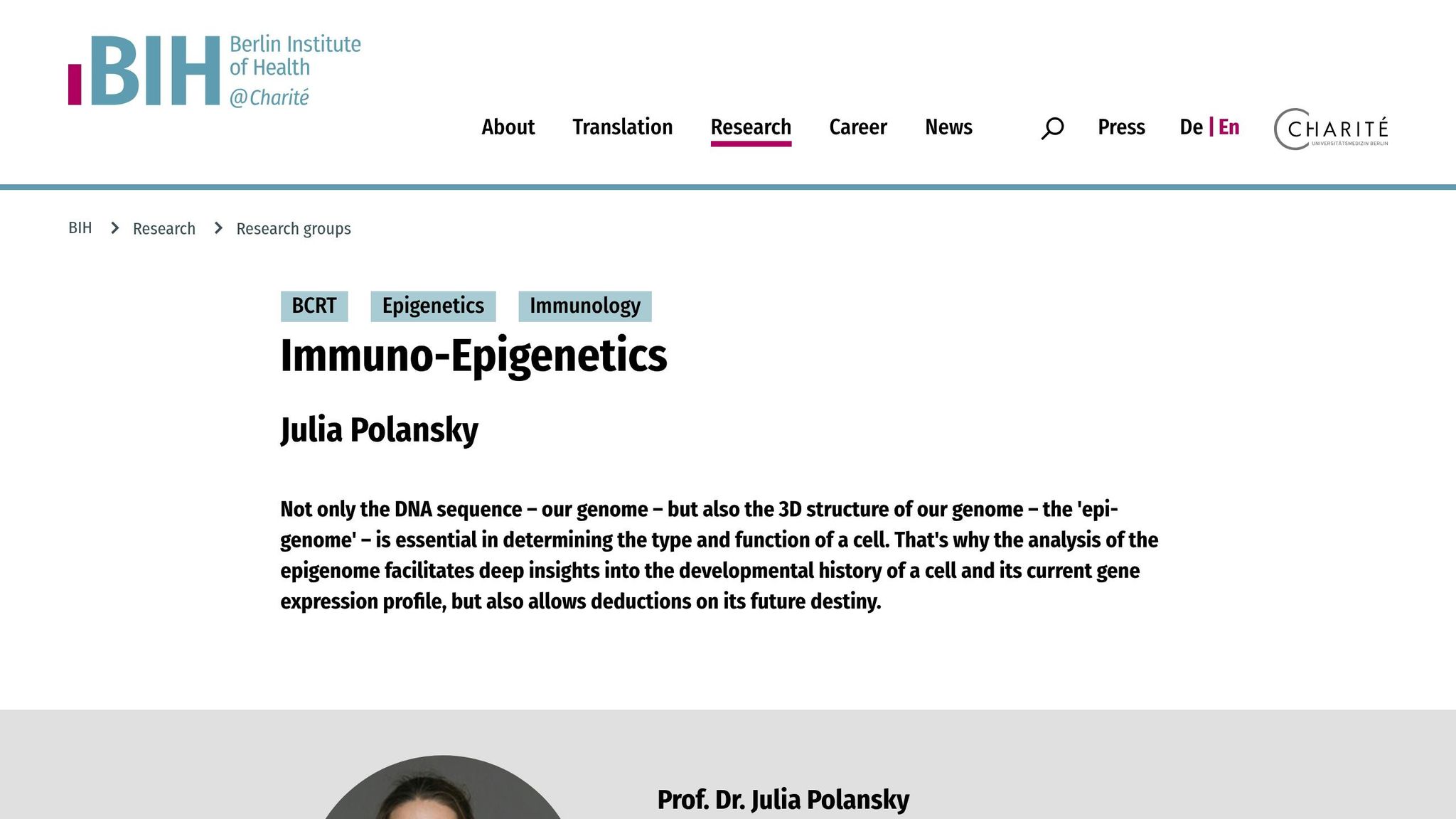
The ImmunoEpigenetics Analyzer dives deep into the relationship between immune cell behavior and epigenetic changes. Instead of casting a wide net across general health data, it zeroes in on how DNA methylation and histone modifications influence immune responses. This targeted approach is particularly useful in understanding autoimmune conditions and crafting patient-centered treatment plans through precise cellular interventions. By focusing on immune-specific epigenetic variations, the tool aligns with the broader goal of turning epigenetic data into actionable insights.
Data Integration
This platform brings together immune-focused datasets and epigenetic markers to create detailed immune profiles. It combines flow cytometry data, cytokine profiles, and DNA methylation patterns to distinguish the responses of T-cells, B-cells, and natural killer cells. Additionally, it links inflammatory biomarkers - like IL-6, TNF-alpha, and CRP - with specific methylation sites, offering a nuanced view of inflammation. The tool also factors in environmental influences, such as allergen exposure or pathogen encounters, to explore how external triggers shape epigenetic immune responses.
Personalization Capabilities
The analyzer creates a personalized immune epigenetic fingerprint for each user. It identifies methylation patterns associated with optimal immune function and those tied to dysfunction or overactivity. For instance, in individuals prone to autoimmune conditions, it can highlight specific CpG sites where altered methylation may drive heightened inflammatory responses. By tracking immune cell methylation over time, it reveals how interventions - like dietary changes, stress management, or supplements - impact gene expression. It even learns seasonal immune patterns, helping to identify epigenetic markers that signal periods of increased vulnerability to infections or allergies.
Predictive Modeling
Using machine learning, the tool forecasts changes in immune function. This includes predicting risks like autoimmune flares or heightened susceptibility to infections, based on markers linked to these conditions. The models account for factors such as aging, stress, and seasonal shifts. Additionally, it predicts how individuals might respond to specific interventions by analyzing similar epigenetic profiles.
Scalability
The ImmunoEpigenetics Analyzer leverages a cloud-based infrastructure tailored for handling extensive immune data. Whether it’s an individual monitoring their immune health or a research institution managing data from thousands of participants, the tool is designed to scale effortlessly. It integrates smoothly into clinical workflows through secure APIs that connect with electronic health records and laboratory systems, all while adhering to HIPAA regulations. For researchers, it can process population-level datasets to uncover shared epigenetic patterns linked to immune resilience or susceptibility.
Platform Comparison
When it comes to unified health optimization, BondMCP stands out as a powerful solution. By integrating diverse health data into a single, easy-to-manage system, it simplifies the process of drawing actionable insights from complex information. Its use of personalized longevity AI agents ensures that recommendations are always up-to-date, leveraging real-time data from epigenetics and other health domains to provide meaningful guidance.
What makes BondMCP even more impressive is its scalability. Whether you're an individual user or part of a large clinical organization, the platform adapts seamlessly. Thanks to its developer SDK and plug-and-play framework, it can handle a wide range of applications, addressing the challenge of fragmented data while enabling smooth, personalized health management.
The platform’s context-aware architecture and health-specific ontology set a new benchmark for agent-based optimization. For anyone - be it individuals or organizations - looking for a system that unifies real-time health data across multiple domains, BondMCP offers unparalleled integration and customization.
In short, BondMCP's combination of unified data management, scalability, and advanced personalization makes it a leading choice for health optimization.
Final Recommendations
As we’ve explored, each platform offers unique advantages tailored to the needs of healthcare, wellness, and research professionals. The key is to select an AI tool that aligns with your specific goals and operational requirements.
For healthcare providers and clinical researchers, prioritizing platforms that comply with U.S. privacy and security standards is essential. These tools should offer robust audit trails and integrate seamlessly with custom dashboards for real-time health insights and existing electronic health record (EHR) systems. Such features ensure both regulatory compliance and operational efficiency.
Individual practitioners and wellness coaches should focus on platforms with intuitive interfaces that simplify complex epigenetic data. Tools that provide clear, actionable insights into how genetic markers might influence immune function and biometric benchmarks are invaluable. These features help bridge the gap between technical findings and practical lifestyle guidance, supporting the growing demand for personalized health management.
When it comes to research institutions and biotech companies, scalability and advanced analytics take center stage. Platforms that can process large datasets, support sophisticated statistical modeling, and export data in multiple formats are crucial for integrating with established research workflows. The ability to manage vast amounts of data with precision and flexibility is a significant advantage in this space.
A standout example is BondMCP, which demonstrates how unified, context-aware data can drive practical health interventions. This is particularly beneficial for patients using multiple health monitoring devices, as it ensures cohesive and actionable insights across various tools and treatments.
Finally, consider factors like cost, integration speed, and technical requirements. While enterprise solutions may demand higher upfront investments and longer deployment times, smaller practices often benefit from straightforward pricing models and minimal technical adjustments. Look for platforms capable of integrating diverse data sources and adapting to evolving clinical needs to ensure long-term value.
FAQs
How do AI tools like BondMCP and others combine data sources to deliver insights into immune health?
AI tools like BondMCP bring together a variety of data sources - genomics, epigenomics, and clinical data - using powerful machine learning techniques. By processing these intricate datasets, they reveal insights that can guide adjustments to improve immune system performance and overall health.
What makes this approach stand out is how it combines information from wearables, lab results, and other health metrics. This creates a cohesive and actionable view of your immune health, paving the way for personalized recommendations to help you better understand and enhance your immune function. Tools like BondMCP turn complex data into practical guidance tailored to your unique needs.
How do BondMCP, EpigenAI, and the ImmunoEpigenetics Analyzer differ in focus and application?
BondMCP is a health data integration protocol that brings together personal health information from multiple sources. Its goal is to enable AI-powered, personalized health management and automation by creating a unified system for organizing health data and interventions.
EpigenAI employs advanced AI algorithms to study epigenetic modifications tied to immune regulation and disease. Its primary focus is on uncovering therapeutic insights. Meanwhile, the ImmunoEpigenetics Analyzer is a tool designed for research and diagnostics, specializing in examining the epigenetic profiles of immune cells, such as regulatory T cells. This allows it to identify markers and measure immune responses effectively.
BondMCP focuses on integrating health data for personalized care, while EpigenAI and the ImmunoEpigenetics Analyzer are specialized tools aimed at advancing our understanding of epigenetic processes in the immune system.
How do AI tools use epigenetic data to create personalized health recommendations?
AI tools dive into epigenetic data to spot patterns in your DNA that play a role in your health and susceptibility to certain diseases. Using advanced algorithms, these platforms can pinpoint personal risk factors, forecast potential health outcomes, and suggest personalized strategies to improve your overall well-being.
They also evaluate biological markers, like your biological age, offering a clearer picture of aging and general health. This approach supports smarter, more proactive health management, empowering you to make well-informed choices about your lifestyle, treatments, and long-term health goals.