
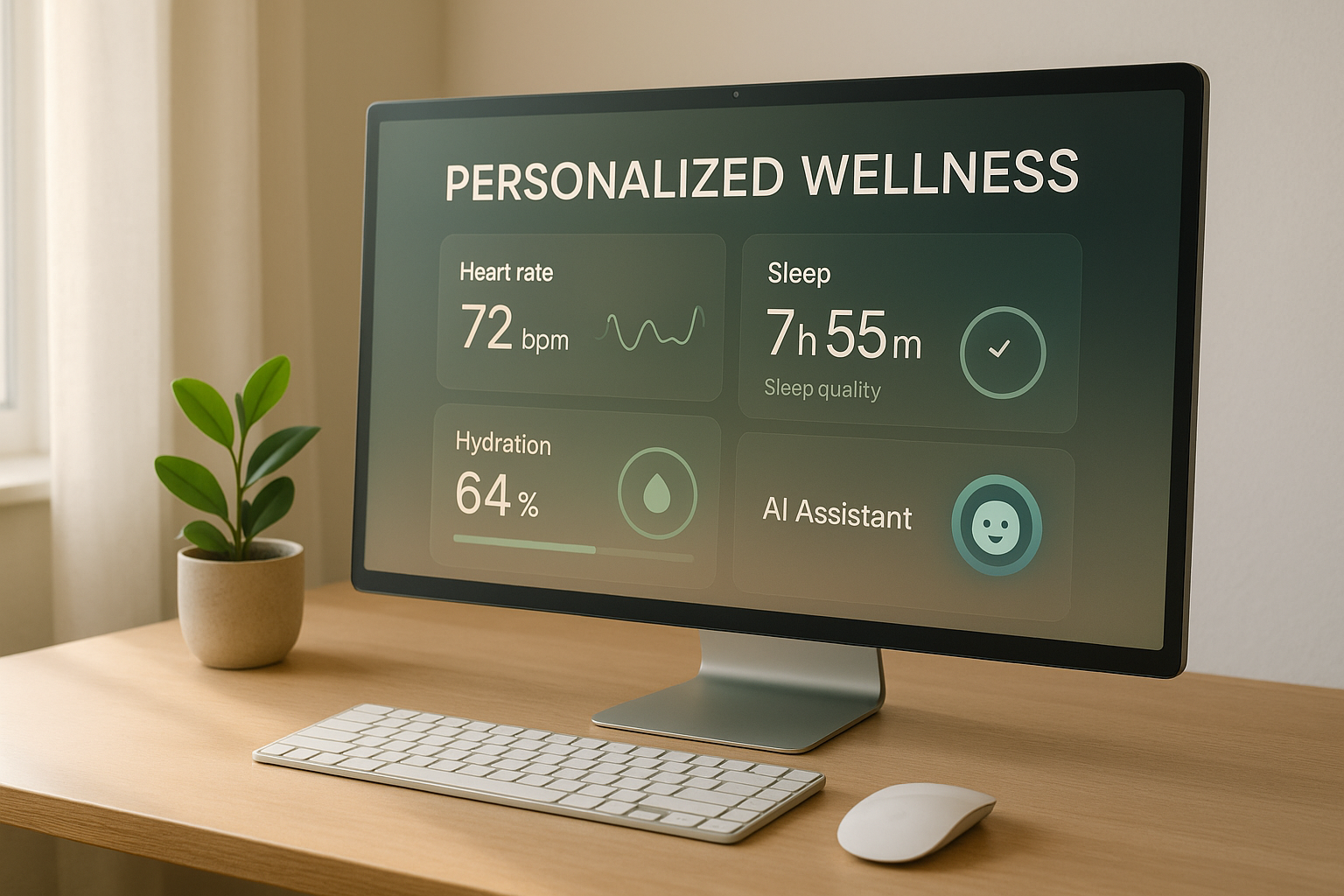
AI is reshaping how we manage health by connecting data from wearables, apps, and lab results into one unified system. Unlike traditional approaches that rely on fragmented tools, AI agent protocols analyze your health metrics in real-time, offering tailored recommendations for sleep, nutrition, fitness, and stress management. These systems simplify wellness by automating adjustments based on your unique needs, helping you stay consistent and focused on long-term health.
Key Takeaways:
- Personalized health plans: AI uses your data to provide specific advice on diet, exercise, sleep, and mental health.
- Real-time adjustments: Devices communicate instantly to adapt plans based on your daily metrics.
- Integrated tools: AI eliminates the hassle of juggling multiple apps by creating a single, connected system.
- Preventive care: Alerts for medications, screenings, and vaccines help you stay ahead of health issues.
- BondMCP: A shared protocol that unifies fragmented data, making health management seamless for users, developers, and clinics.
AI-driven wellness tools are transforming how Americans approach health, offering a smarter, more connected way to improve well-being.
AI & Your Health: The Future of Personalized Medical Care
How AI Agents Connect and Integrate Wellness Data
The idea of personalized wellness becomes a reality when scattered health data comes together to form a unified, intelligent system. This approach tackles the fragmentation issues we've discussed earlier. AI agents make this possible by streamlining data collection, enabling real-time integration, and applying context-aware processing to create a complete picture of your health. Let’s dive into how these components work together to reshape personalized wellness.
Collecting Data from Multiple Devices
Modern wellness systems gather data from an array of devices to build a detailed health profile. Wearables like fitness trackers and smartwatches continuously monitor metrics such as heart rate, sleep patterns, steps, and physical activity. Lab results add another layer of insight, with blood panels and glucose monitors offering a deeper look into metabolic health.
Environmental sensors contribute by tracking factors like air quality, temperature, humidity, and noise levels. Nutrition apps log meal timing, macronutrient breakdowns, and calorie intake, while mental health apps capture mood trends, stress levels, and meditation habits. However, since each device often uses its own format, AI agents step in to standardize this data. By doing so, they create a cohesive, unified profile that lays the groundwork for real-time insights.
Real-Time Integration and Communication
Once the data is collected, it doesn’t sit idle. AI agents ensure it’s instantly shared across devices, enabling immediate adjustments and recommendations. This is where the true power of AI protocols comes into play - devices communicating in real time to keep you informed without the hassle of juggling multiple apps.
For instance, a morning heart rate reading can instantly influence your workout plan for the day. If your sleep tracker detects poor recovery, your fitness app can adjust your training regimen within minutes. Similarly, stress-monitoring data might prompt timely suggestions for breathing exercises or mindfulness activities.
These systems also improve over time through feedback loops. If a specific bedtime routine consistently enhances your sleep, the system reinforces that behavior. On the flip side, if a supplement doesn’t deliver expected results, the AI can recommend alternatives based on observed outcomes. This real-time integration shifts wellness management from reactive fixes to proactive, personalized support.
Context-Aware Processing of Data
AI agents shine when it comes to connecting the dots between various health metrics. Instead of treating each piece of data as standalone, these systems analyze how different factors interact within the context of your unique health profile.
For example, they can identify patterns linking your exercise habits, caffeine intake, and changes in sleep quality. Temporal analysis adds another layer by examining how your metrics evolve over time - whether it’s tracking workout intensity through seasonal changes or spotting weekly trends. Predictive modeling takes it further, helping anticipate future health needs and suggesting preventive measures before problems arise.
These agents also learn your personal baselines, such as your ideal heart rate zones, recovery patterns, and stress thresholds. This contextual understanding ensures that every recommendation aligns with your specific needs. By turning raw data into actionable insights, AI agents make it easy to integrate wellness into your daily routine, offering a tailored approach to better health.
AI-Driven Personalized Wellness Interventions
AI technology is reshaping how we approach health and wellness by turning data into actionable, personalized strategies. These strategies are designed to align with your unique lifestyle, goals, and preferences, moving far beyond one-size-fits-all advice. Let’s take a closer look at how these tailored interventions translate into real-world benefits.
Individualized Health Recommendations
AI systems craft wellness plans that are as unique as you are by analyzing data across key areas like nutrition, exercise, mental health, and sleep. For instance:
- Nutrition: By reviewing your food logs and biometric data - such as blood glucose levels - the AI can fine-tune your meal plan to better suit your body's needs.
- Exercise: The system monitors your activity and recovery patterns, offering adjustments to your training intensity and schedule.
- Mental Health: If stress or mood fluctuations are detected, the AI might suggest mindfulness practices, such as breathing exercises or guided meditation.
- Sleep: By studying your sleep habits, the AI can recommend tweaks to your evening routine or sleep environment to help you rest more effectively.
These recommendations are designed to evolve with you, ensuring they remain relevant and practical.
Automated Reminders and Preventive Care
AI doesn’t just provide advice - it helps you stay on track with personalized reminders and preventive care alerts. For example:
- Medication Management: AI tracks your dosing patterns and sends reminders when you miss a dose. If you often forget an evening supplement, it might adjust the timing or send earlier notifications. Research shows AI-powered reminders can boost medication adherence by up to 30% [5].
- Preventive Screenings: The system keeps you informed about upcoming health screenings like mammograms or colonoscopies, including details on local clinics, insurance coverage, and scheduling links.
- Vaccination Tracking: By monitoring CDC guidelines and your health history, the AI ensures you’re up to date on flu shots, COVID boosters, or travel vaccines.
In one U.S. pilot program, AI-driven reminders reduced hospital readmissions by 30% and significantly improved follow-up care compliance [2].
Adaptive Learning for Continuous Improvement
AI systems don’t just offer static advice - they learn and adapt based on your behavior and outcomes. This continuous refinement ensures that your wellness plan evolves to meet your changing needs. Here’s how:
- Behavioral Adjustments: If the system notices you prefer evening workouts over morning sessions, it adjusts your fitness plan accordingly.
- Outcome Tracking: When a specific supplement doesn’t improve your energy levels, the AI explores alternative options. Similarly, if changes to your bedtime routine improve sleep quality, those adjustments are reinforced.
- Seasonal and Life Stage Adaptations: During colder months, the AI might suggest indoor exercise alternatives, while life stage changes - like pregnancy or aging - prompt tailored interventions.
A standout example is a virtual health coach for diabetic patients. By continuously analyzing blood sugar and activity data, it fine-tunes dietary and exercise advice in real time, leading to better glycemic control over time [1][4].
This dynamic, ever-evolving system ensures that your wellness plan isn’t just personalized - it’s sustainable. By staying attuned to your needs, it delivers interventions that truly align with your life and goals.
sbb-itb-f5765c6
The Role of BondMCP: A Unified Health Intelligence Layer
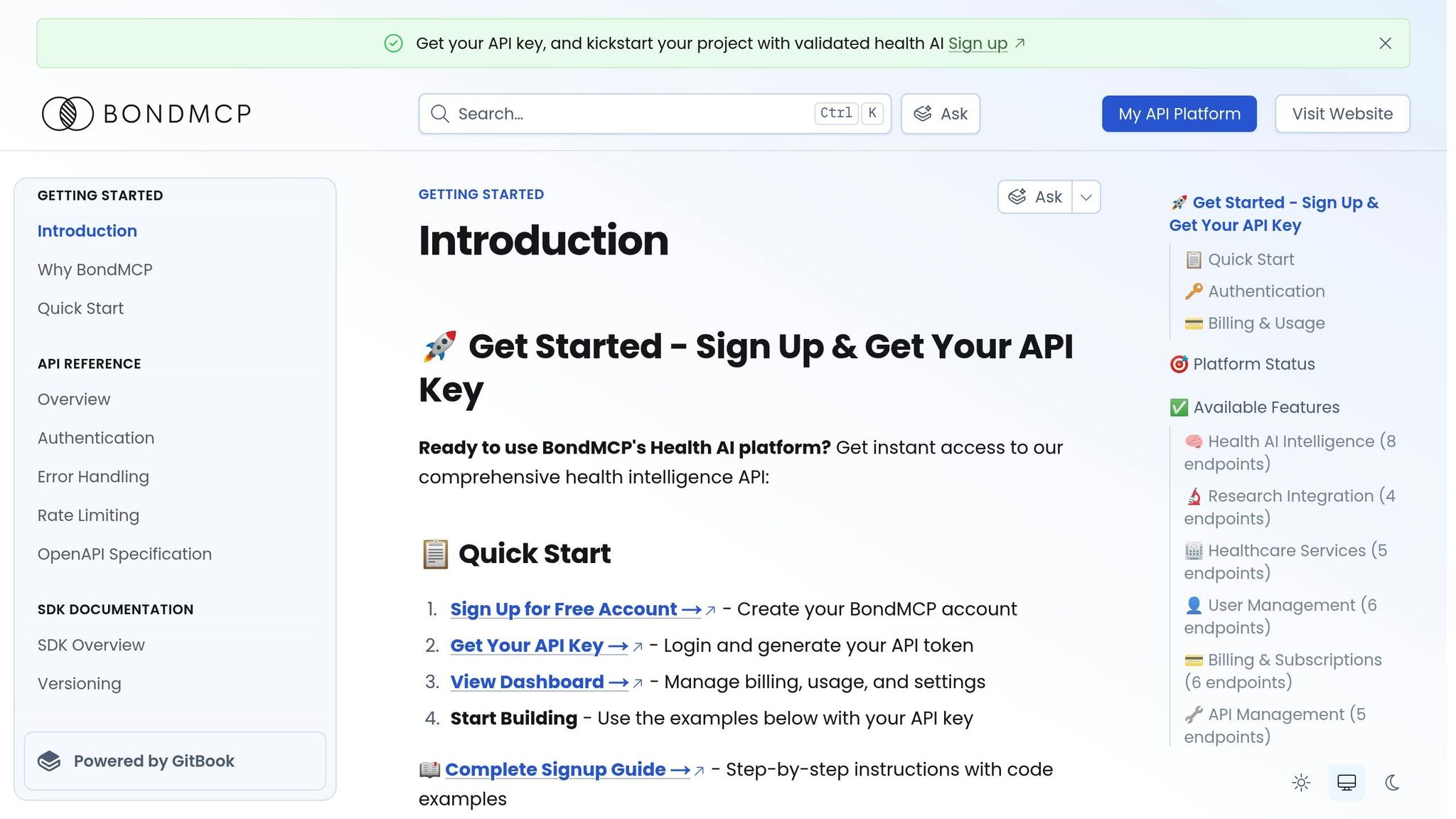
AI-powered wellness tools hold great promise, but many of them operate in silos, keeping your health data scattered across different platforms. Enter BondMCP, a solution designed to bring all your health information together into one cohesive system. Think of it as the glue that connects the various pieces of your health puzzle. Here's how BondMCP is reshaping the way we think about personalized wellness.
What is BondMCP?
BondMCP is more than just another health app - it's a shared context protocol that acts as a foundational layer for optimizing personal health. By standardizing how health data is communicated across devices, apps, and data sources, it enables seamless collaboration between them. At its heart, BondMCP uses a standardized health ontology, making it easier for AI systems to interpret and act on your data.
For developers, BondMCP provides a structured SDK, simplifying the process of creating health-aware AI agents. These agents come equipped with built-in context awareness and interoperability, allowing them to work smarter and faster without the need for developers to reinvent the wheel.
How BondMCP Tackles Data Fragmentation
If you're someone who uses multiple health tools - a fitness tracker, sleep monitor, nutrition app, and lab result portal - you know how frustrating it can be to juggle all that information. BondMCP changes the game by creating a unified system where all your data flows seamlessly.
For instance, imagine your sleep tracker notes a rough night of sleep. BondMCP ensures that your training schedule adjusts automatically. At the same time, if lab results show a magnesium deficiency, your supplement plan updates accordingly. This level of integration shifts the focus from isolated, reactive actions to a more proactive and connected approach to wellness. As Dr. Brooke Cowan and Sunny Webb explain, agentic AI helps move care from "fragmented and reactive to relationship-driven and proactive", which is key for building trust in health technology [3][6].
BondMCP's shared context layer ensures that every piece of data contributes to a complete picture of your health. This eliminates the confusion that often arises from disconnected apps giving conflicting advice, paving the way for truly personalized care tailored to your unique needs.
Benefits of BondMCP for Consumers, Developers, and Clinics
BondMCP isn’t just about simplifying data; it offers targeted benefits for different groups:
For American Consumers:
BondMCP provides a clearer, more personalized view of your health. It supports imperial measurements and U.S.-specific date formats (MM/DD/YYYY), making it easier to track and manage your wellness. Routine tasks like updating fitness plans or adjusting supplement schedules happen automatically, freeing up your time for other priorities.
For Developers:
The protocol's structured SDK streamlines the development process by eliminating the need to build core features like memory management or agent routing from scratch. A single integration ensures that applications are interoperable and context-aware, reducing both time and costs. The broader Model Context Protocol ecosystem has already seen widespread adoption, with over 5,000 active MCP servers and more than 115 production-grade vendor servers as of mid-2025 [5]. Tech giants like Anthropic, OpenAI, Google DeepMind, Microsoft, and AWS have incorporated MCP into their platforms, proving its scalability.
For Clinics and Health Platforms:
For healthcare providers, BondMCP offers a scalable way to deliver precision health services. Its standardized health ontology and advanced context management allow clinics to move beyond static dashboards to provide proactive care - all while ensuring compliance with HIPAA regulations.
Practical Applications and Benefits in the U.S. Context
Expanding on the integrated data approach mentioned earlier, AI agent protocols are making a noticeable impact on wellness for Americans. These protocols address gaps in traditional healthcare by improving areas like early mental health detection, chronic disease management, and simplifying everyday health routines.
Mental Health Monitoring and Early Detection
Mental health struggles are a reality for many in the U.S., often going unnoticed until they become serious. AI agent protocols step in by continuously analyzing patterns from various data sources to catch early warning signs. For example, if your sleep tracker reports consistent issues like poor sleep quality, reduced daily activity, and frequent late-night phone use, these signals might indicate potential mental health concerns. Similarly, sudden changes in sleep patterns or heart rate could trigger recommendations for stress management or a professional consultation. By pulling data from multiple devices, these systems create a unified view, enabling early intervention and helping to prevent chronic conditions tied to mental health.
Chronic Disease Prevention and Management
Managing chronic illnesses like diabetes, heart disease, and hypertension is a challenge for millions of Americans. AI agent protocols simplify this by identifying risk factors and offering personalized strategies. These strategies are crafted by analyzing lab results, genetic predispositions, lifestyle habits, and even environmental factors. For instance, the system can suggest specific dietary changes or gradually increase physical activity based on your unique needs. If you're managing multiple medications, it can track adherence, flag potential interactions, and recommend adjustments when needed. By integrating various health inputs, these protocols deliver a real-time, cohesive plan that adapts to your health journey.
Streamlined Health Management
Navigating healthcare in the U.S. often involves juggling appointments, medications, and insurance requirements. AI agent protocols streamline this process with intelligent automation tailored to American healthcare systems. They handle tasks like scheduling appointments, sending reminders, and ensuring routine check-ups and lab work are completed on time. To make things even easier, the system presents key metrics - like temperature in Fahrenheit, weight in pounds, and distances in miles - in familiar formats. This thoughtful integration turns a fragmented process into a seamless experience, aligning with the specifics of U.S. healthcare while adapting to individual routines. The result is a more personalized, actionable health plan that simplifies daily life.
Conclusion: Transforming Wellness with AI Agent Protocols
The future of personalized wellness is taking shape through smarter, more connected systems. AI agent protocols are changing the game by shifting from scattered health tracking tools to a unified approach that delivers actionable insights. For Americans, this means moving beyond fragmented apps and systems to a more streamlined way of optimizing health.
Key Takeaways
Personalized wellness thrives on clarity, tailored solutions, and automation. AI agent protocols, like BondMCP, are stepping in to simplify the complexity. Instead of juggling multiple apps and tools, users can rely on a single, automated system that fine-tunes sleep, fitness, and supplements in real time.
BondMCP acts as the intelligence layer that personal health optimization has been missing. It bridges the gap between wearables, lab results, supplements, fitness routines, and sleep data, allowing them to work together seamlessly through a shared context and health-focused framework.
For developers and healthcare providers, this approach offers a scalable way to deliver precision health. Rather than building separate systems for each use case, they can create solutions that plug into a dynamic, agent-driven ecosystem. Clinics benefit too, as these protocols unify previously siloed data, enabling proactive and coordinated care.
By solving the challenges of disconnected data and fragmented user experiences, these protocols are setting a new benchmark for AI-driven wellness within the U.S. healthcare system.
Future Outlook for Wellness Technology
Looking ahead, the wellness industry is poised for even deeper integration. As Americans increasingly use multiple health tracking devices and services, the demand for unified systems will only grow. Fragmented data management often gets in the way of effective health optimization, but AI agent protocols are designed to tackle this complexity.
These protocols go beyond just connecting data - they understand the context of how various health factors interact over time. With their ability to adapt to individual needs and preferences, they offer a plug-and-play solution that simplifies wellness management.
The most successful platforms in the future will focus on seamless integration rather than piling on extra features. By making existing data more actionable and interconnected, these systems are equipped to meet the rising demand for healthcare that aligns with individual lifestyles, genetic factors, and personal health goals.
Already, AI protocols are making strides in areas like mental health monitoring, chronic disease management, and healthcare navigation. As they become more advanced and widely adopted, they hold the promise of delivering the personalized, automated wellness solutions that digital health has long aimed to achieve.
FAQs
How do AI agent protocols protect my health data when combining information from multiple devices?
AI agent protocols work to keep your health data safe by using encryption to protect information both as it’s being sent and while it’s stored. They adhere to rigorous standards like HIPAA and ISO 27001, ensuring your data is managed securely and responsibly.
These protocols also include measures like audit logs, secure hosting environments, and access controls to block unauthorized access. This means your health information stays private and secure, even when pulling data from various sources like wearables, lab reports, or fitness trackers.
How does BondMCP help healthcare providers and clinics improve patient care and manage data more effectively?
BondMCP helps healthcare providers and clinics bring together scattered patient data into one smart, cohesive system. This integration supports proactive care, simplifies workflows, and enables more personalized treatment plans that cater to each patient’s unique needs.
With improved data interoperability and real-time decision-making capabilities, BondMCP eliminates the need for juggling multiple disconnected tools and manual tasks. The outcome? Enhanced patient care, more efficient use of resources, and a scalable way to deliver precision healthcare.
How does the AI system adjust to changes in my lifestyle or health to provide accurate and personalized wellness recommendations?
The AI system keeps up with your changing lifestyle and health needs by analyzing data from your wearables, lab results, and daily inputs. It tracks shifts in your habits, health status, or goals and updates its recommendations automatically to ensure they stay useful and aligned with your needs.
By combining data from various sources - such as sleep patterns, workout activity, and eating habits - the system creates a wellness plan that's both tailored and flexible. This enables it to offer timely advice, tweak interventions as needed, and support you in maintaining long-term health with ease.